Bringing Your Medication into Japan: The Yakkan Shoumei and What's Allowed
Updated: 2026-09-09
Quick answer
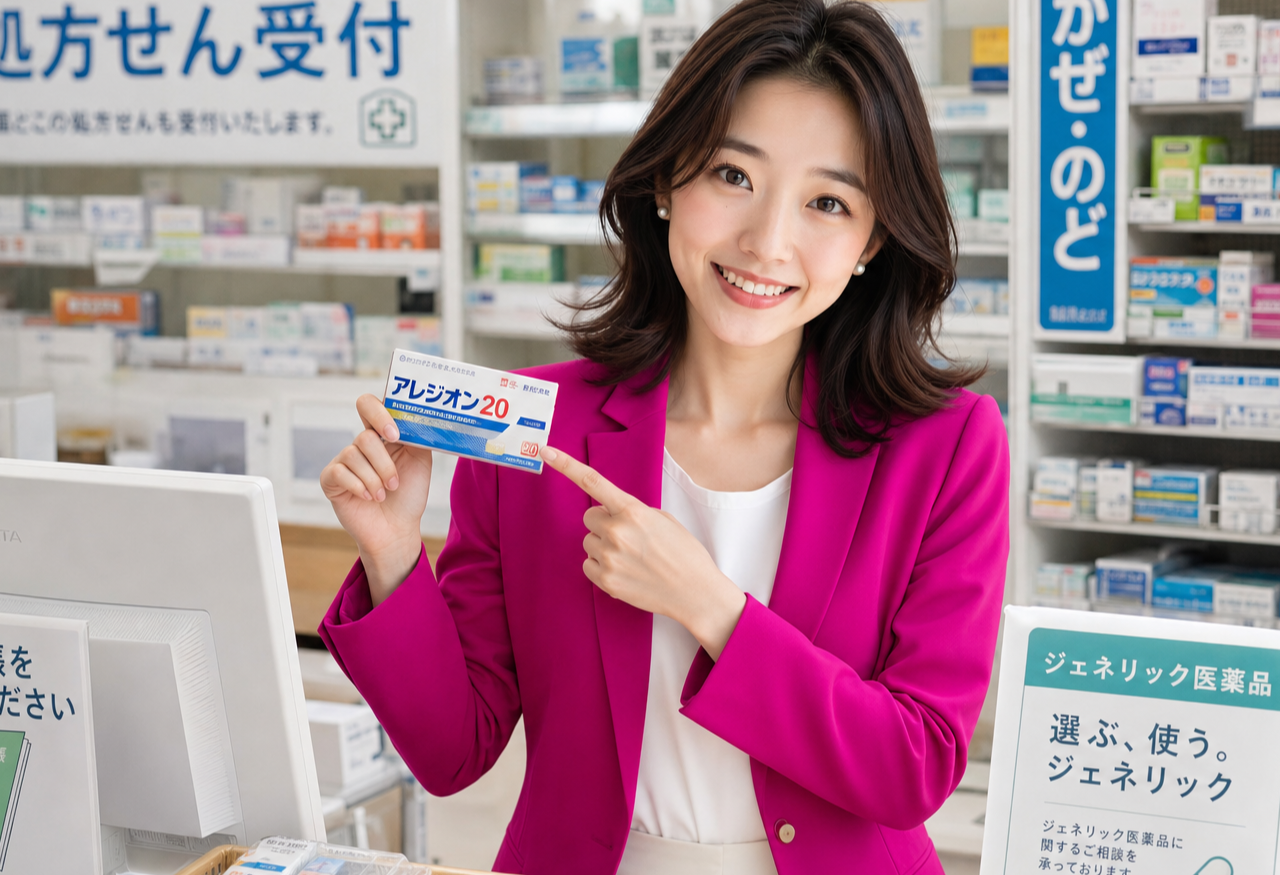
Hi, I'm Miya, and I help newcomers settle into life in Japan. If you take regular medication, the honest short answer is this: a reasonable personal supply of most prescription and over-the-counter medicine is generally something travelers bring in for their own use, but some medicines and some larger quantities require an advance import certificate called a yakkan shoumei, and a few categories face tighter controls. The catch is that the details genuinely matter, so the real first step is to check the official guidance for your specific medicine before you pack.
I'm going to walk you through the shape of the system so you know what questions to ask and what to prepare. Please treat this as general orientation, not medical or legal advice. Rules change, and only Japan's Ministry of Health, Labour and Welfare (MHLW) and Japan Customs can tell you what applies to you today.
What personal medicine you can usually carry
For most travelers, carrying a personal-use amount of your everyday prescription medicine and ordinary over-the-counter items is generally straightforward, provided it's clearly for you and within the limits the authorities publish. The key ideas are that it should be a personal supply rather than a stock you might be seen as importing commercially, and that certain medicines and quantities cross a threshold where paperwork is expected. I'm deliberately not quoting any numbers here, because the exact thresholds are set officially and can be updated.
So rather than guessing, look up your particular medication and the current limits on the MHLW and Japan Customs pages. If your supply sits comfortably under the personal-use threshold and your medicine isn't in a restricted category, you may not need any certificate at all. If it's over, or if the ingredient is controlled, that's your signal to prepare the import certificate ahead of time.
When a yakkan shoumei or narcotics certificate may be needed
The yakkan shoumei is an advance import certificate that Japan may require when you bring in more than the standard personal-use amount, or certain regulated medicines and medical devices. You apply before you travel, and once issued you carry it with your medicine to show at customs. Because processing takes time, this is not something to leave until the airport — start the enquiry well before departure so there's room for questions and corrections.
Separately, some medicines that are legal and everyday at home contain ingredients Japan treats as narcotics or psychotropics, or as stimulants. Those can require their own permission or import documentation, and a small number of ingredients are simply not permitted. This is exactly why I keep nudging you toward the official source: only MHLW guidance can confirm which route, if any, your specific medicine falls under.
Prescriptions, doctor's letters, and original packaging
A little documentation goes a long way. It helps to carry a copy of your prescription and a letter from your doctor, ideally in English, that states your name, the medicine, the ingredients, the dosage, and that it's for your own ongoing treatment. Even where a certificate isn't required, this makes any conversation at the border calmer and clearer, and it's invaluable later if you need to explain your treatment to a Japanese clinician.
Keep your medicine in its original packaging with labels intact rather than decanting everything into a single unlabeled organizer, and pack a personal supply in your carry-on so it stays with you. Original packaging ties each medicine to its documentation at a glance, which is precisely what customs and, later, a local pharmacist will want to see.
Check the official rules before you depart
If you take just one thing from me, let it be this: verify everything officially before you fly. Start on the MHLW and Japan Customs websites, search for your exact medicine and its ingredients, note the current personal-use limits and whether a yakkan shoumei or narcotics certificate applies, and allow enough lead time to submit any application. When something is unclear, contact the relevant office directly rather than relying on a forum post or, well, a friendly guide like me.
I want to be very clear that this article is general information, not medical or legal advice, and the regulations can and do change. Your medicine, your quantities, and today's rules are the three things only the official sources can confirm, so let them be your final word before departure.
After you land: refilling through a local clinic
Once you're here with your residence card, your ongoing prescriptions shift onto Japanese rails: you see a local doctor at a clinic, and they issue a prescription you fill at a nearby pharmacy. In practice you'll find and compare clinics, read which ones have English-speaking staff, book an appointment, and navigate there almost entirely from your phone, then do the same to locate a pharmacy afterward. Planning a small overlap between the supply you carried in and your first local refill takes the pressure off those early weeks.
That's why I like newcomers to think about connectivity as part of their medication plan, not a separate errand. The maps, the clinic bookings, the translation help at the counter, the reminder that it's time for a refill — they all live on a working phone line, so getting one sorted early keeps your medicine continuity smooth rather than stressful.
Getting your line sorted early
A practical approach is a two-step one. A bridge travel eSIM can cover your very first days so you have data the moment you land, for maps to the hotel and any arrival admin. Then, once your residence card is in hand, you can set up a proper Japanese phone number and keep the same reliable connection for booking clinics and finding pharmacies.
Setting up the Japanese line is refreshingly simple: you apply online with your residence card, eSIM-capable phones can connect the same day, and it often takes only about fifteen minutes. Have a look at our setup guide for eligibility and the steps, and confirm the current terms on the page before you apply. Get your medicine researched, your documents ready, and your line in place, and you'll land with one less thing to worry about. I'll be right here to help.
Related guides

Getting Foreign Documents Accepted in Japan: Translation, Apostille and Stamps
Hi, I'm Miya! How a foreign birth certificate, marriage record or degree gets accepted in Japan, plus apostille. #PR
Read the guide →
Internships in Japan for International Students: How They Actually Work
Hi, I'm Miya! Japanese internships are short, seasonal, and often an early screening step. Here is how they really work. #PR
Read the guide →
The First-Year Dip: Culture Shock in Japan and How People Come Out of It
The first year in Japan often dips before it lifts — what sets it off, what helps, and when to talk to someone. #PR
Read the guide →