Children's Healthcare in Japan: Pediatric Clinics, Vaccinations and the Free Checkups
Updated: 2026-08-29
Quick answer
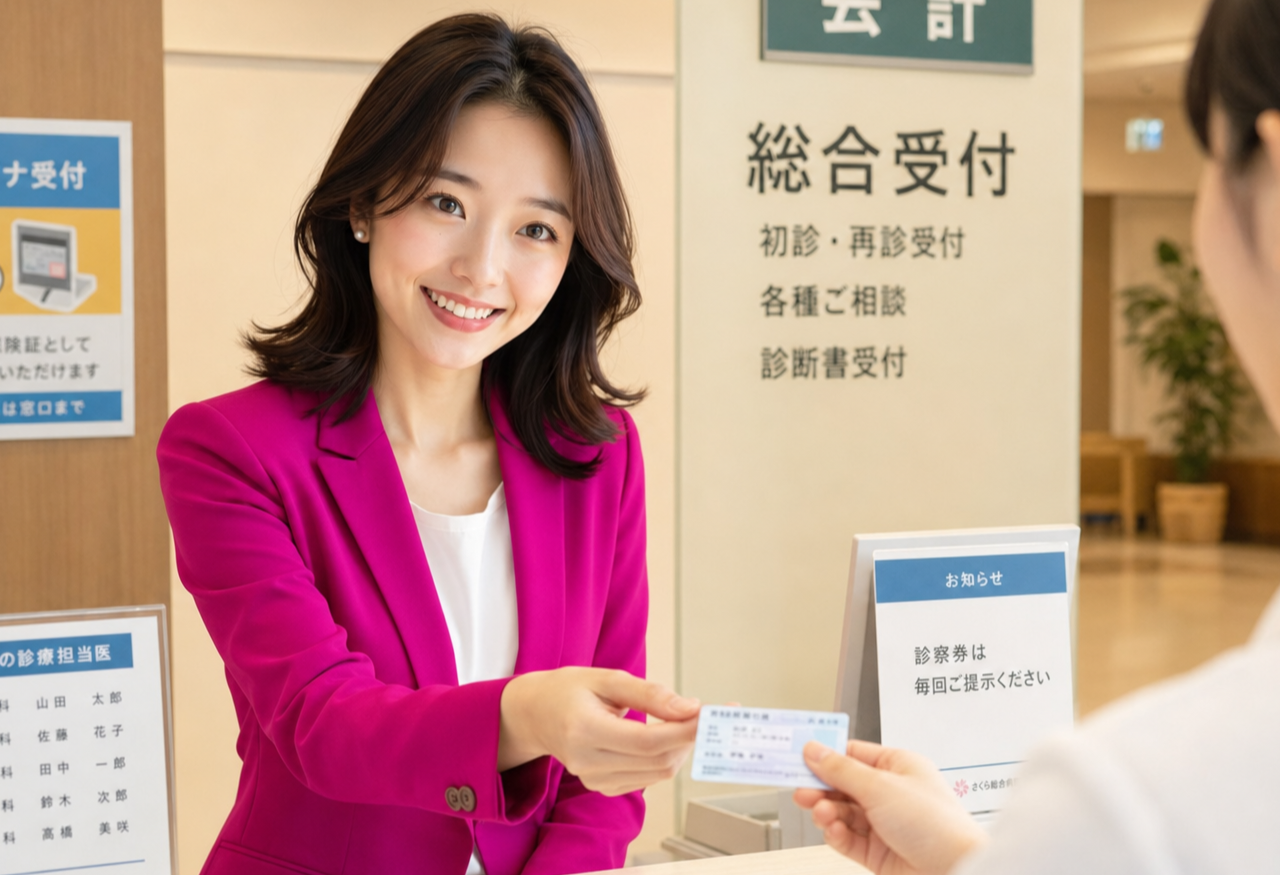
If you have a young child in Japan, three things keep their care on track: a nearby pediatric clinic (小児科, shonika), the routine infant health checks your ward runs (乳幼児健診), and the publicly funded vaccination schedule recorded in your mother-and-child handbook (母子手帳).
Most wards also issue a child medical-subsidy card (乳幼児医療証) that you show alongside the health-insurance card at reception. In this guide I'll walk you through each piece gently, so nothing feels like a mystery.
Finding a pediatric clinic (小児科)
For babies and children, you'll usually visit a pediatric clinic marked 小児科 rather than a general adult clinic. Many neighborhoods have a small local shonika within walking distance, and larger hospitals have pediatric departments for anything more involved.
It helps to pick a regular clinic near home before your child gets sick, so you already know the way and the opening hours. Some clinics offer online or phone reservations, and staff at your ward office or local parent centers can point you to child-friendly ones nearby.
The child medical-subsidy card and your insurance card
Once your child is enrolled in health insurance, they get their own coverage, and you bring the insurance card to every visit. On top of that, most municipalities issue a child medical-subsidy card (乳幼児医療証) that reduces what families pay for children's care.
You typically apply for the subsidy card at your ward or city office after registering the birth or after moving in. Keep both cards together in your bag, and hand them in at the reception desk each time. The exact rules and age range differ by area, so check your own ward's guidance.
Routine infant health checks (乳幼児健診)
Your ward invites you to free infant and toddler health checks (乳幼児健診) at set ages, often around the early months, one year, eighteen months, and three years. These checkups follow growth, development, and feeding, and give you a friendly moment to ask questions.
Notices usually arrive by mail, and some checks happen at a public health center while others are done at a designated clinic. Bring your mother-and-child handbook so the results are recorded in one place, and don't worry if you need to reschedule—just contact the listed office.
The vaccination schedule and the boshi-techo record
Japan has a publicly funded (routine) vaccination schedule for children, with several shots spread across the first years of life. Your ward sends reminders and vouchers, and clinics help you keep the timing in order, since some vaccines come in a series.
Every vaccination is written into your mother-and-child handbook (母子手帳), which becomes your child's running health record. Bring it to each appointment so the clinic can log the date and note what comes next. If you've moved from abroad, staff can help review what your child has already had.
What a visit and reception feel like
At the clinic you'll check in at reception with the insurance card, the medical-subsidy card, and the mother-and-child handbook. You may fill in a short form about symptoms, then wait to be called—many pediatric clinics have a little play corner to make the wait easier.
Staff are used to worried parents and to children who cry, so try not to feel rushed. If the Japanese feels heavy, translation apps help, and some clinics have multilingual notes. You can always ask them to write down instructions or the next appointment date.
Lean on your ward, and stay reachable
This guide is a gentle overview, not medical advice. For your child's actual schedule, eligibility, and any health concern, follow your ward's official guidance and talk to your pediatrician—the local details really do vary from place to place.
One quiet but important piece: vaccination reminders, checkup bookings, and ward health notices reach parents by phone and app, and many reservation systems send confirmations by SMS. Keeping an active Japanese mobile number means those messages actually arrive, so you and your child stay on schedule without missing a beat.
Related guides

Children's Lessons in Japan: Swimming, Piano, Soroban and the Narai-goto Habit
Swimming, piano, soroban: how Japan's weekly narai-goto lesson culture works, and how newcomer parents can join in. #PR
Read the guide →
Inviting Your Family to Visit Japan: Invitation Letters and Guarantor Documents
Inviting family to Japan: whether a visa is needed, the invitation letter, schedule of stay, and guarantor documents. #PR
Read the guide →
Applying to Graduate School in Japan: Research Students, Supervisors and Entrance Exams
How graduate admission works in Japan: contacting a supervisor first, the research plan, the kenkyusei stage, exams and realistic timelines. #PR
Read the guide →