Getting Online in Japan: Pocket Wi-Fi, Home Internet or Just Your Phone?
Updated: 2026-09-03
Quick answer
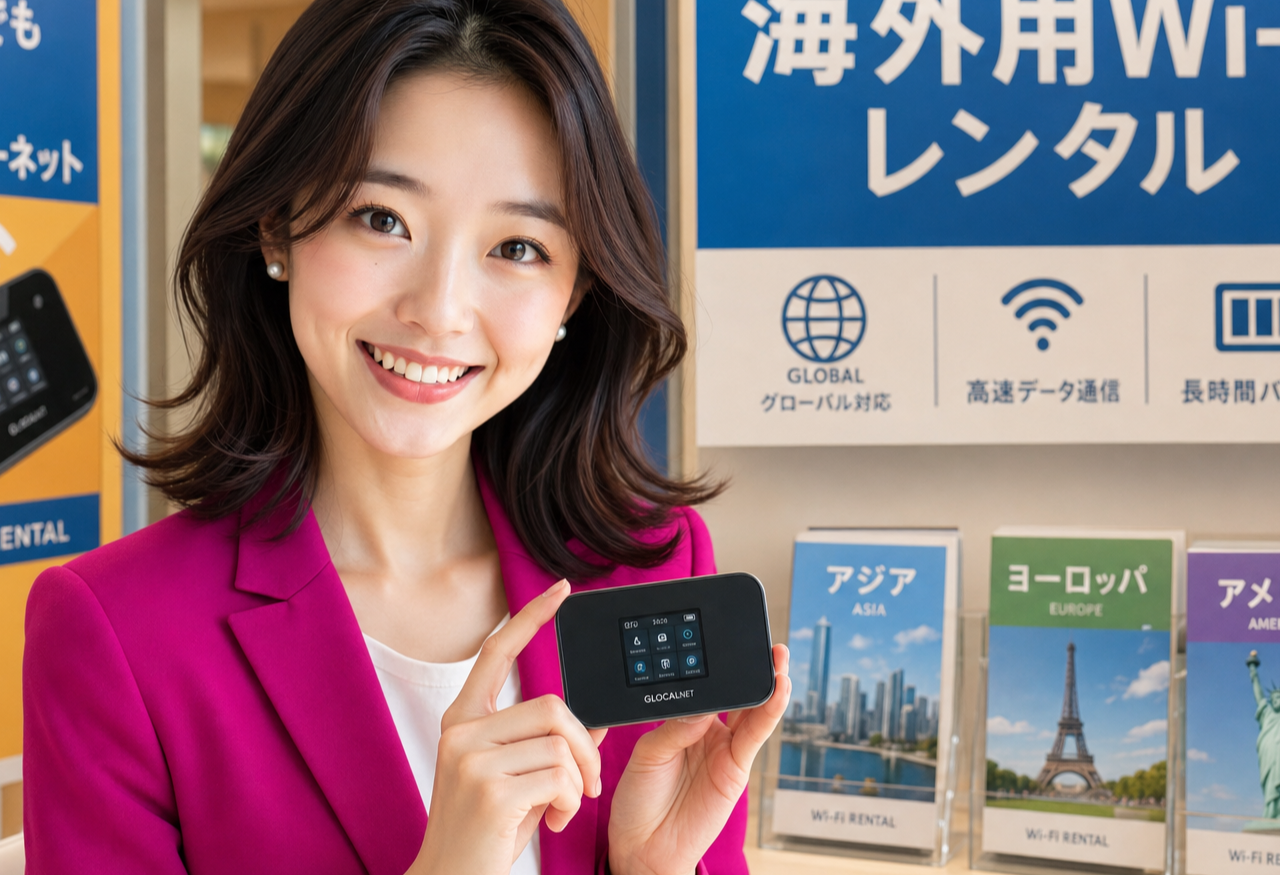
Hi, I'm Miya, and one question I hear from almost every newcomer is simply: how do I get internet at home? In Japan there are really three common routes, and none of them is the single right answer — a portable mobile Wi-Fi router (often called pocket wifi), a fixed home internet line, or simply leaning on the data plan already in your smartphone.
The best choice depends less on which is newest and more on your everyday life: how many people share your place, how much time you actually spend at home, and how soon you need to be connected. Let me lay out each route gently, and then help you weigh them for your own situation.
A pocket Wi-Fi router
A pocket Wi-Fi router is a small battery-powered box that creates its own Wi-Fi for your phone and laptop, and you can carry it in a bag. There's usually no technician visit and no wiring to worry about, so it can be working within a day or two of arriving. That makes it a friendly option if you've just moved, aren't sure how long you'll stay, or want something you can use at home and out in a cafe alike.
The trade-off is that it's a separate device to charge and remember, and it's designed for light-to-moderate use by one or two people rather than a whole busy household streaming at once. If you like the idea of not committing to a long fixed line yet, though, it's a calm middle ground that keeps you flexible.
A fixed home internet line
A fixed home line — usually fibre run into your apartment — is the sturdy choice when a lot of people or devices are online at the same time. For a family, a share house, or anyone working from home all day with video calls, a wired connection is comfortable and steady in a way a small portable device isn't really meant to match.
The thing to plan around is time. A home line means signing a contract and, in most cases, booking an installation visit — and that appointment is often weeks out, especially around the busy spring moving season. So if you need to be online the week you land, a fixed line usually can't be your first-day answer; it's something you set up once you're settled.
Just your phone's data
The simplest route of all is to not add anything new: use the data plan on your smartphone for everything, and share it to your laptop with the phone's built-in tethering when you need to. It's one device, one bill, and nothing extra to install or carry — which is why a lot of people quietly run their whole life this way, at least at first.
This works best when your online life is mostly personal — messaging, maps, video, browsing — rather than a household of people all streaming in different rooms. If your plan includes generous or unlimited data, relying on your phone can genuinely cover day-to-day needs without a second connection at all.
How to weigh it for your situation
Start with three honest questions. How many people share your home? A solo renter and a family of four have very different needs. How much are you actually home during the day? If you're out at work or school most of the time, paying for a large fixed line you barely use can feel wasteful. And how soon do you need to be connected — this week, or once you've unpacked?
From there it tends to sort itself out. A larger, always-busy household usually grows into a fixed home line despite the install wait. A mover, a short-stay resident, or a mostly-out single person often does perfectly well with a portable router or their phone alone. There's no wrong answer here — just the one that matches how you live.
The simplest place to start
Here's the reassuring part for anyone living alone or as a couple: quite often an unlimited-data phone plan already covers everything you'd ask of home internet — browsing, video, maps, and tethering the laptop when you need it. That can make a separate home line something you add later if you ever truly need it, rather than a task for your first stressful week.
And getting that first connection is lighter than people expect. With Rakuten Mobile you can apply online with just your residence card, and if your phone supports eSIM you can be ready in about fifteen minutes without visiting a store. Please check current conditions on the Rakuten Mobile page before you apply — but as a starting point, your phone can quietly be your home internet too.
Related guides

Rakuten Mobile for Foreigners in Japan: What You Need, What It Costs, What's Included (2026)
A residence-card-only mobile plan in Japan, set up by eSIM. What the three price tiers actually cost, what the official page says about speed, what's bundled, the age discounts, and the documents to have ready before you apply. #PR
Read the guide →
How to Create a Rakuten ID in English — The Sign-Up Form, Field by Field (2026)
A walk-through of the actual Rakuten member registration form in English: the language switch most people miss, the six required fields, the two you can never change afterwards, and the katakana name box on the Japanese version. #PR
Read the guide →
How to Earn Rakuten Points in Everyday Life: A Practical Habit Guide
A practical guide to building a Rakuten points habit in Japan: earn through online shopping, code payment at everyday shops, and the card, with one connected ecosystem. #PR
Read the guide →