How to Get Internet in Japan: Every Option Compared (2026)
Updated: 2026-07-25
Quick answer
Hi, I'm Miya — getting people online is half of what I do, so let me be honest with you: there's no single 'best' way to get internet in Japan. It depends on how long you're staying. Short trip? A pocket Wi-Fi rental or a travel eSIM is quickest. Moving here? A proper SIM plan on a Japanese carrier is cheaper every month and unlocks everything else — banking, deliveries, ward-office paperwork.
I'll walk you through every common option, what it actually costs, and who each one suits, so you can skip the ones that don't fit your situation.
Free Wi-Fi: useful, but don't rely on it
Free hotspots are easy to find at airports, major stations (including the whole Yamanote Line), convenience stores, cafes and tourist offices. It's genuinely handy for checking a map or sending a message while you're standing still.
The catch, and the reason I never let it be someone's only plan, is coverage and hassle: signal drops the moment you walk away, some networks want a fiddly registration each time, and you can't count on it between stations or on the street. Two apps smooth this out — Japan Wi-Fi auto-connect bundles many tourist hotspots into one sign-up, and Softbank's Free Wi-Fi Passport unlocks its cafe and station spots. Treat free Wi-Fi as a bonus.
Pocket Wi-Fi: the group-friendly rental
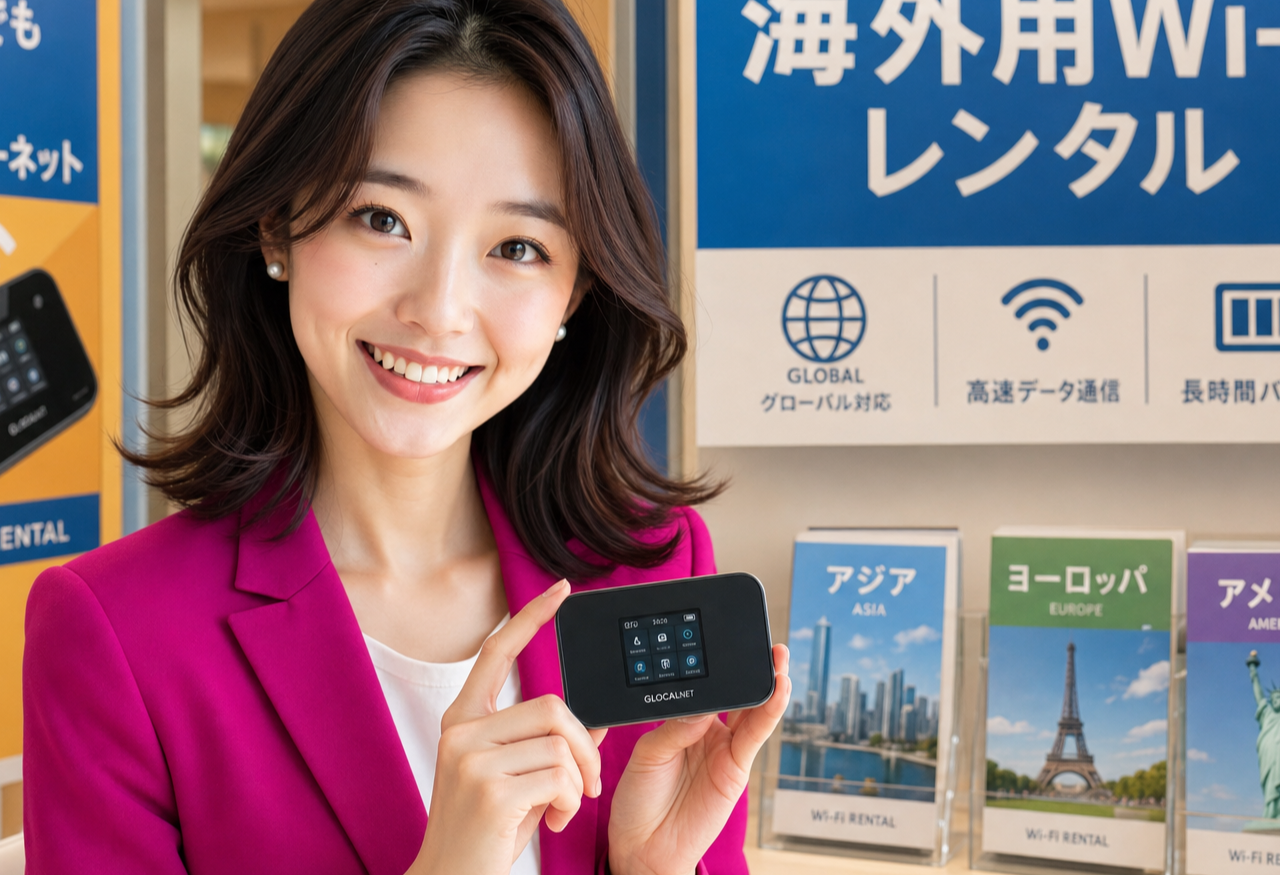
A pocket Wi-Fi router is a small battery device that creates your own hotspot from the mobile network — connect a phone, tablet and laptop all at once. You rent it by the day at airport counters or have it mailed to your hotel, then drop it in a return envelope when you leave.
I recommend it to families and small groups who want one bill instead of a SIM each, and it keeps your home number untouched. The trade-offs I'm honest about: it's one more gadget to charge and carry, and per-day rental adds up on a longer stay — past a couple of weeks a SIM is usually cheaper.
SIM and eSIM cards: best value if your phone is unlocked

If your phone is carrier-unlocked, a data SIM or eSIM is usually the cheapest route, and it's the one I reach for most. Travel plans are sold by data bucket or time window (say 3GB, or a week) and you can buy them at the airport, at select shops, or online before you fly. An eSIM skips the physical card entirely — scan a code and you're connected, often before you leave the arrivals hall.
This is also the fork in the road between visitors and residents, and where I ask what you're really here for. Tourist SIMs are data-only and expire fast. If you actually live here, a monthly plan on a Japanese carrier gives you a real phone number, no expiry, and a far lower running cost — which is where a resident-friendly carrier like Rakuten Mobile fits (more on that at the end).
Rental smartphones and roaming: convenient but pricey
Some companies rent a whole smartphone with unlimited data and tethering — effectively a phone and a hotspot in one. It's a tidy option if you don't want to touch your own device's settings, and you pick it up at the airport or have it delivered.
International roaming is the most convenient of all: land, and your own number just works. But I have to warn you — it's also the most expensive by a wide margin, and easy to rack up without noticing. Fine for a two-day trip; check your home carrier's daily rate first, and switch to a local option for anything longer.
Internet cafes and manga kissa
For a computer, a printer, or somewhere to wait out a missed last train, I send people to an internet cafe (netto cafe or manga kissa) — they rent a connected booth by the hour for a few hundred yen, with cheaper overnight blocks. They cluster near big stations but hide behind Japanese-only signage, so search the map rather than looking for a storefront. Some chains charge a small one-time membership fee on your first visit.
Which one should you pick?
Here's how I'd decide. Visiting for a few days: a travel eSIM if your phone supports it, or a pocket Wi-Fi if you're a group or want zero setup. Leaning on free Wi-Fi alone will frustrate you by lunchtime — I've seen it.
Moving to Japan: skip the rentals. A monthly SIM plan on a Japanese carrier costs less than a week of pocket-Wi-Fi rental and gives you the phone number that everything else — bank accounts, deliveries, app sign-ups, your ward office — will ask for.
If you're staying: the resident-friendly choice
For residents, the simplest cheap-and-unlimited option I point to is Rakuten Mobile. One tiered plan runs from ¥1,078/mo for light use up to ¥3,278 for unlimited data (tax included), and you can verify your identity by photographing your residence card — no store visit, and eSIM-capable phones can be online the same day.
It also plugs into the wider Rakuten world (points on shopping, free cloud storage, up to 2GB of overseas roaming), so your connection does more than just connect. Check the current terms on the official page before you apply.
Related guides

Rakuten Mobile for Foreigners in Japan: What You Need, What It Costs, What's Included (2026)
A residence-card-only mobile plan in Japan, set up by eSIM. What the three price tiers actually cost, what the official page says about speed, what's bundled, the age discounts, and the documents to have ready before you apply. #PR
Read the guide →
How to Create a Rakuten ID in English — The Sign-Up Form, Field by Field (2026)
A walk-through of the actual Rakuten member registration form in English: the language switch most people miss, the six required fields, the two you can never change afterwards, and the katakana name box on the Japanese version. #PR
Read the guide →
How to Earn Rakuten Points in Everyday Life: A Practical Habit Guide
A practical guide to building a Rakuten points habit in Japan: earn through online shopping, code payment at everyday shops, and the card, with one connected ecosystem. #PR
Read the guide →