A Newcomer's Guide to Japanese Festivals (Matsuri) (2026)
Updated: 2026-08-04
Quick answer

Hi, I'm Miya — I help newcomers settle into life in Japan, and if there's one thing I tell everyone to say yes to, it's their neighborhood matsuri. A matsuri is a traditional festival, usually tied to a local shrine or the season, and it's where a quiet residential street suddenly fills with lanterns, food stalls, drums, and everyone you've ever half-recognized from the konbini.
You don't need to understand every custom to enjoy one — you just need to show up, wander, and eat. In this guide I'll walk you through what actually happens at a matsuri, which festivals to look for across the year, and how to find the small local one near you. A quick practical note first: the dates, maps, and community groups behind these events almost all live in apps, so a Japanese number and mobile data are what keep you in the loop.
What a matsuri actually is
At its heart, most matsuri are shrine festivals — a way of honouring the local kami (deity) and marking the turning of the seasons. The centerpiece is often a mikoshi, a portable shrine that teams of people carry through the streets on their shoulders, chanting and swaying, to bring blessings to the neighborhood. You'll also see taiko drumming, traditional dance, and rows of paper lanterns strung between houses.
But don't picture something formal or ticketed. A typical local matsuri is relaxed and open — you can arrive whenever you like, stay as long as you want, and no one expects you to know the rituals. Many people come simply for the food, the music, and the rare chance to see their own street transformed. Wearing a yukata (a light cotton kimono) is welcome but never required; jeans and a t-shirt are perfectly normal too.
The festival calendar through the year
Matsuri happen all year, but summer is the peak. From roughly July to August, cities and towns everywhere hold evening festivals with yatai (food stalls) and often hanabi (fireworks), plus Bon Odori — communal folk dances where anyone can join the circle. The big names draw crowds from all over Japan: Kyoto's Gion Matsuri and Osaka's Tenjin Matsuri in July, and Aomori's Nebuta and Tokushima's Awa Odori in August.
Spring brings shrine festivals timed with the cherry blossoms — Tokyo's Sanja Matsuri in Asakusa is a famous May one. Autumn has harvest festivals and lantern-lit evenings as the weather cools. Even winter has its own: snow festivals in the north and quiet New Year shrine visits. Wherever you live, there's very likely a local matsuri within walking distance at least once a year — the trick is knowing when.
How to find the local one near you
The most authentic matsuri aren't the famous ones — they're the small neighborhood festivals that never make the tourist lists. To find yours, start with the nearest shrine: many post their annual festival (reitaisai) dates on a noticeboard by the entrance, or on a simple website. Your ward or city office often lists local events too, and community bulletin boards near stations and supermarkets carry paper flyers you won't see online.
Apps do a lot of the work now: event and map apps let you search for 祭り (matsuri) plus your area, community groups on messaging apps share dates and meeting points, and neighbors post photos that tip you off to something happening two streets away. This is exactly where being connected pays off — the smallest, best festivals spread by word of mouth and group chat, not press releases.
Festival etiquette and staying comfortable
The etiquette is gentle and mostly common sense. If a mikoshi procession comes through, step to the side and let it pass — it's fine to watch and take photos, but don't cut across the carriers' path. At shrine grounds, follow the flow of the crowd, bin your own rubbish (stalls rarely have bins, so you may carry it a while), and keep the noise friendly rather than rowdy.
For comfort, summer matsuri are hot and packed, so bring a hand fan, a small towel, and cash in coins and small notes — most yatai don't take cards. Wear shoes you can stand in for hours, keep a little water on you, and agree on a meeting spot with friends in case the crowd swallows your group. If you bring children, note where the nearest station and toilets are before it gets dark and busy.
Yatai food and the atmosphere
Honestly, for a lot of us the food is the festival. The yatai lining the approach sell things you mostly only see at matsuri: yakisoba (fried noodles), takoyaki (octopus balls), yakitori, chocolate-dipped bananas, fluffy kakigōri (shaved ice), and karumeyaki. There are game stalls too — goldfish scooping (kingyo-sukui), ring toss, and lucky-draw booths that delight kids and adults alike.
My advice is to arrive a little hungry, walk the whole row once to see what's there, then double back for your favorites. As the sky darkens and the lanterns glow, a good matsuri has a warmth that's hard to describe — it's the moment a lot of newcomers first feel like they truly live here, rather than just visiting. Snap a few photos; you'll want to send them home.
What keeps you in the loop
Look back at how you actually find and enjoy a matsuri — checking dates, searching maps, joining a neighborhood chat, sending photos to family, meeting friends in a crowd. Every one of those runs on your phone, which means a Japanese number and reliable mobile data quietly sit underneath the whole experience. Miss the group message about the meeting time and you miss the festival.
That's why I help newcomers get connected before anything else. With Rakuten Mobile you can apply online with just your residence card, and eSIM-capable phones can be running in about 15 minutes — so you're ready before the first drum sounds. Check current terms on the official page before you apply, and I'll be right here for the mobile part, so you can focus on the lanterns and the takoyaki.
Related guides

Your First Week in Tokyo: A Gentle Newcomer's Itinerary (2026)
A calm, day-by-day plan for your first seven days in Tokyo — paperwork, essentials, and easing into the city without burning out. #PR
Read the guide →
Easy Day Trips from Tokyo for Newcomers (2026)
Four beginner-friendly day trips from Tokyo — Kamakura, Hakone, Nikko, and Kawagoe — reachable by train, plus how to plan them without stress. #PR
Read the guide →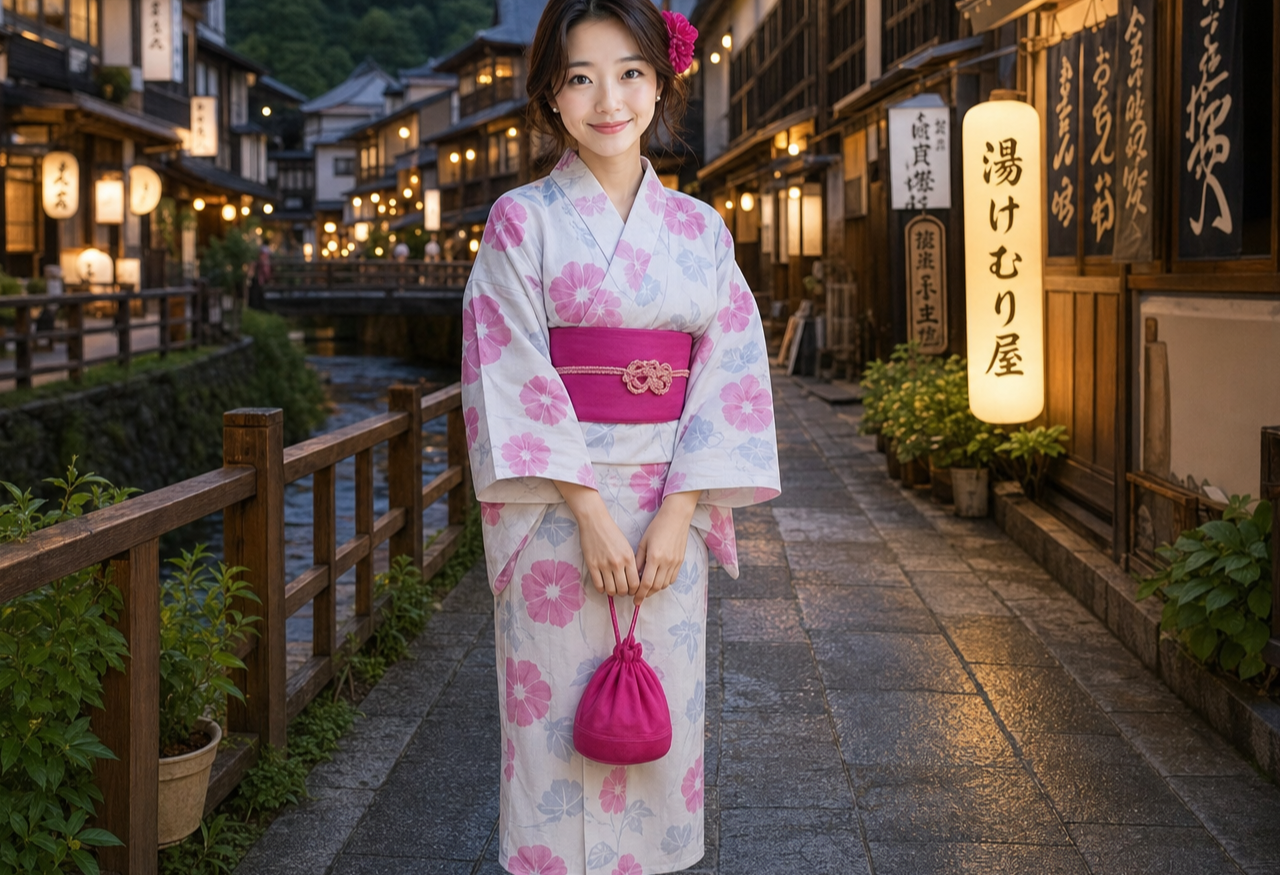
Onsen Etiquette: A Gentle First-Timer's Guide (2026)
Your warm, no-stress guide to enjoying a Japanese hot spring for the first time — the simple rituals, so you can relax and fit right in. #PR
Read the guide →