Living in a Share House in Japan: How It Works and Who It Suits
Updated: 2026-09-06
Quick answer
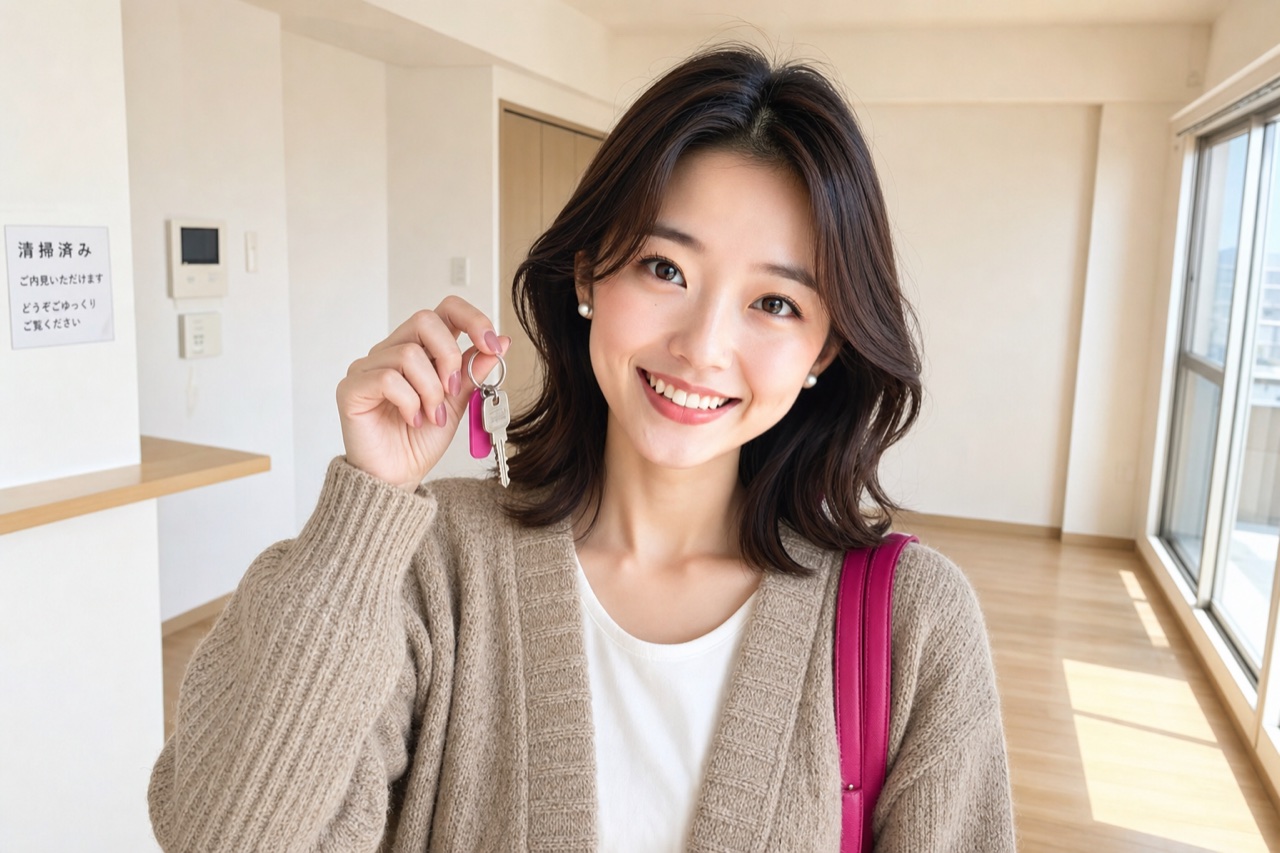
Hi, I'm Miya, and I help newcomers settle into life in Japan. A share house is one of the gentlest ways to land here: you rent a furnished private room and share the kitchen, bathroom, and living areas with other residents. Sign-up is usually much simpler than a standard apartment, which is exactly why so many people arriving in Japan start this way.
It suits you if you want to move in quickly, keep your setup costs light, and be around other people while you find your feet. It suits you less if you crave total quiet and privacy from day one. This guide walks through how it works so you can decide.
What a share house actually is
In Japan, a share house means a building where each resident has their own lockable private room and shares communal spaces — the kitchen, bathroom, shower, laundry, and often a lounge. Rooms usually come furnished with at least a bed, desk, and storage, and the rent typically bundles in utilities, internet, and basic amenities, so you're not setting up gas, water, and electricity accounts separately.
Houses vary a lot in character. Some are small, quiet homes with a handful of residents; others are large properties with dozens of rooms, events, and a real community feel. Because each house sets its own atmosphere and rules, it's worth reading the individual house's terms rather than assuming they're all the same.
Why the sign-up is so low-barrier
The biggest draw for newcomers is how much lighter the entry is compared with a private rental. Share houses often skip the key money and the personal guarantor that traditional leases demand, and the upfront deposit tends to be modest. Many will let you sign after an online application and a viewing, without the thick paperwork and in-person screening a standard apartment involves.
This matters a lot in your first weeks, when you may not yet have a Japanese guarantor, a long rental history here, or a fully settled bank setup. Terms differ between houses, so always confirm the exact deposit, minimum stay, and cancellation rules for the specific room you're considering before you commit.
Shared space, private space, and house rules
Your private room is your own — you lock it, decorate it, and retreat to it. The shared areas are where daily life overlaps: cooking in a common kitchen, queuing gently for the shower in the morning, doing laundry in a shared machine. Good share-house living is really about small courtesies — cleaning up after yourself, keeping noise down late at night, and labelling your food in the fridge.
Most houses have written rules covering guests, quiet hours, cleaning rotas, and shared costs. These aren't there to box you in; they're what keeps a house of strangers comfortable. Read them before you move in, and if something matters to you — overnight guests, for example, or a strict no-shoes policy — check that specific point directly with the house.
Share house vs a solo apartment
A solo apartment gives you full privacy and control, but the trade-off is a heavier start: guarantor arrangements, key money in many cases, furnishing an empty room, and setting up every utility yourself. A share house flips that — you trade some privacy and quiet for a fast, flexible, low-commitment move-in, often with a shorter minimum stay if your plans are still open.
Many people use a share house as a stepping stone: they arrive, settle in without stress, learn the neighbourhoods, and then move into their own place once they have a guarantor, a bank account, and a feel for the city. There's no single right answer — it depends on how much you value privacy versus a soft, simple landing.
One thing to sort out early: a Japanese number
Whether you go for a share house or an apartment, you'll want a Japanese phone number and data early — often before you've even chosen a room. Share-house listings, booking viewings, and the resident group chats where housemates coordinate cleaning and events mostly run through apps that ask you to register with a Japanese number, so having one from day one makes settling in far smoother.
The good news is you don't need a full apartment or a stack of documents to get started. With your residence card you can complete the sign-up online through eKYC, and an eSIM can be ready to use the same day — often within about fifteen minutes — so you can be reachable while you're still house-hunting rather than after.
Related guides
Getting Foreign Documents Accepted in Japan: Translation, Apostille and Stamps
Hi, I'm Miya! How a foreign birth certificate, marriage record or degree gets accepted in Japan, plus apostille. #PR
Read the guide →
Internships in Japan for International Students: How They Actually Work
Hi, I'm Miya! Japanese internships are short, seasonal, and often an early screening step. Here is how they really work. #PR
Read the guide →
The First-Year Dip: Culture Shock in Japan and How People Come Out of It
The first year in Japan often dips before it lifts — what sets it off, what helps, and when to talk to someone. #PR
Read the guide →