A Year in Japan: The Newcomer's Seasonal Events Calendar
Updated: 2026-08-19
Quick answer

Hi, I'm Miya, and one of the first things I tell newcomers is that Japan really lives by its seasons — the food, the decorations, and the events all change every couple of months. If you know roughly what's coming, your first year feels less like reacting and more like looking forward to something. Here's a gentle month-by-month calendar so you can plan ahead instead of finding out after everyone else already went.
Spring (March–May): blossoms and fresh starts
Spring is Japan at its most photographed. Cherry blossoms (sakura) usually peak in Tokyo in late March to early April, and people gather under the trees for hanami picnics — bring a mat and something to share. The exact dates shift by a week or two each year and get earlier as you go south, so I always check the forecast rather than fixing a plan too early.
It's also the season of new beginnings: the school and business year starts in April, so cities feel busy and hopeful. Then comes Golden Week in late April to early May — a run of national holidays when many people travel. It's a lovely time to explore, but trains and hotels fill up, so book early if you want to go somewhere.
Summer (June–August): festivals, fireworks, and Obon
Summer starts with the rainy season (tsuyu) around June, so keep a folding umbrella handy. Once it clears, it gets hot and humid — and wonderfully lively. This is matsuri season: neighborhood festivals with food stalls, portable shrines, and drumming, plus the famous hanabi (fireworks) evenings where people wear yukata and watch from riverbanks.
Mid-August brings Obon, when families honour their ancestors and many return to their hometowns. Some shops and offices close for a few days, and travel gets busy again. If you have local friends, this is a warm, community-centered time — worth asking someone to bring you along to a nearby festival.
Autumn (September–November): cool air and koyo
Autumn is, for a lot of people, the most comfortable season to be here. The heat fades, the food turns to sweet potato, chestnut, and new-harvest rice, and the leaves (koyo) turn brilliant red and gold — usually peaking in the Tokyo area around mid to late November, and earlier in the mountains and up north.
It's a great stretch for day trips, culture festivals, and local sports days. There aren't as many huge national holidays as spring, which honestly makes it easier to move around. I tell newcomers this is the season to say yes to invitations — hikes, park walks, small town visits.
Winter (December–February): illuminations and New Year
Winter is crisp and, in much of the country, dry and sunny rather than snowy — though the mountains and the north get plenty of snow for skiing. Cities light up with winter illuminations from late November through the holidays, which are beautiful for an evening walk.
The biggest moment is New Year (Oshogatsu). Unlike the December-centered holidays some newcomers expect, the quiet, important days here are around January 1st: many businesses close, families gather, and people make their first shrine visit of the year (hatsumode). Late January and February then bring cold, clear days and, in early February, the first plum blossoms as a hint that spring is on the way.
How to actually catch these events
Here's the reality: most of these events aren't on one tidy national schedule. Local festivals, illumination dates, and blossom forecasts are announced by wards, tourism boards, and individual venues — and dates shift by region and by year. So the trick isn't memorising a fixed list; it's checking current, local information as each season approaches.
In practice that means looking things up on your phone: seasonal forecasts, event pages, transit routes, and often a group chat with friends deciding where to meet. A quick search the week before beats relying on last year's dates. Save the ones you like to your calendar as you find them, and your year fills up naturally.
Get connected first, then enjoy the year
Every step above quietly depends on one thing — your phone. Checking the blossom forecast, finding a fireworks schedule, navigating to a shrine, joining the group chat, buying an event ticket: it all needs a Japanese number and mobile data. Hunting for cafe wifi the evening a festival starts is exactly the stress I want you to skip.
So I get newcomers connected before their first season rolls around. With Rakuten Mobile you can apply online with just your residence card, and if your phone supports eSIM you can be set up the same day without visiting a store. Check the official page for current conditions before you apply, and I'll help with the mobile part — then you can spend the year saying yes to invitations instead of scrambling for signal.
Related guides

Your First Week in Tokyo: A Gentle Newcomer's Itinerary (2026)
A calm, day-by-day plan for your first seven days in Tokyo — paperwork, essentials, and easing into the city without burning out. #PR
Read the guide →
Easy Day Trips from Tokyo for Newcomers (2026)
Four beginner-friendly day trips from Tokyo — Kamakura, Hakone, Nikko, and Kawagoe — reachable by train, plus how to plan them without stress. #PR
Read the guide →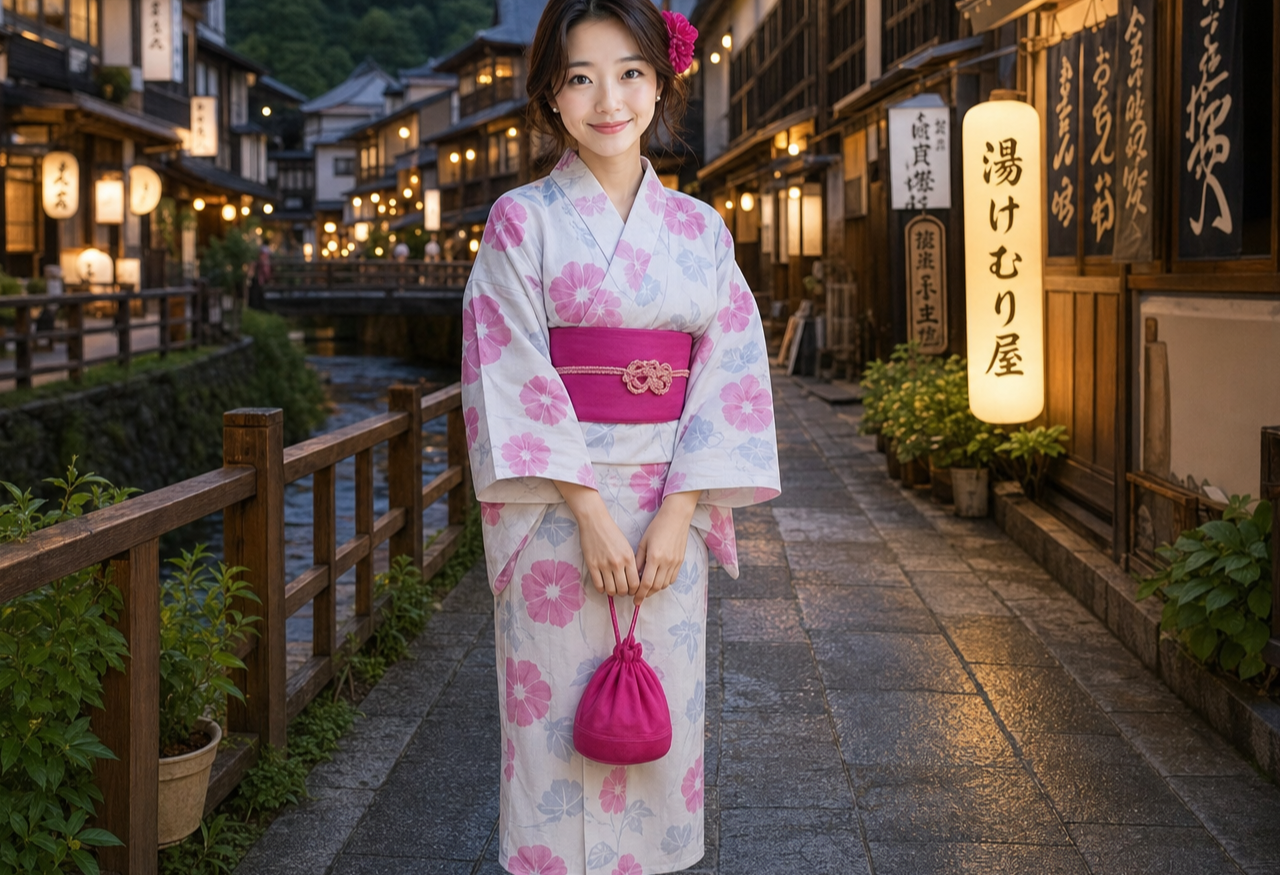
Onsen Etiquette: A Gentle First-Timer's Guide (2026)
Your warm, no-stress guide to enjoying a Japanese hot spring for the first time — the simple rituals, so you can relax and fit right in. #PR
Read the guide →