Seikotsuin, Acupuncture and Bodywork in Japan: What They Treat and How Insurance Applies
Updated: 2026-09-06
Quick answer
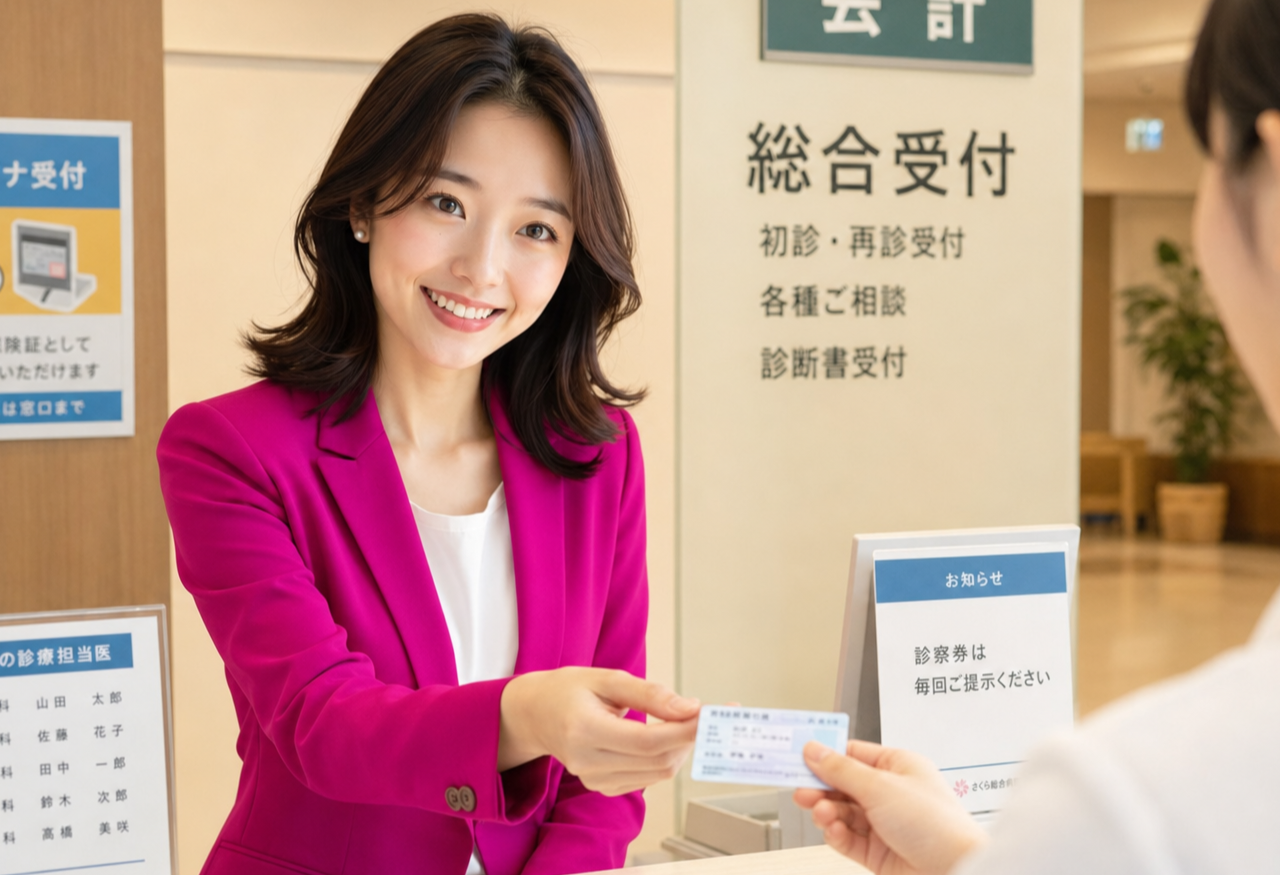
Hi, I'm Miya, and I help newcomers settle into life in Japan. One thing that confuses a lot of people is that alongside regular hospitals and clinics, Japan has a whole parallel world of hands-on care: the seikotsuin (also written sekkotsuin) run by a judo-therapist, acupuncture and moxibustion clinics (harikyu), and various massage and bodywork studios. They look similar from the street, but they do different things and follow different rules.
The short version: a seikotsuin mainly deals with acute injuries like sprains, bruises and muscle strains; a harikyu clinic uses needles and heat to ease certain kinds of pain and stiffness; and a massage or relaxation studio is usually about comfort and loosening tight muscles. Public health insurance may apply in some limited, specific situations, but a great deal of this care is self-pay. This article explains the general landscape so you know what to expect. It is not medical advice, and for anything about your own body you should ask the clinic and, when relevant, a doctor.
Seikotsuin: the bonesetter and judo-therapy clinic
A seikotsuin is staffed by a judo-therapist (judo seifukushi), a nationally licensed practitioner. Historically the trade grew out of judo, where people needed someone to reset joints and treat injuries, and that heritage is still visible in the name. In daily life, this is where many people go for a twisted ankle, a sudden lower-back tweak, a jammed finger, or a muscle pulled while playing sports.
The typical toolkit is manual: manipulation, taping, fixation, and physical therapy techniques for sprains, bruises (contusions), strains, and dislocations. Staff are trained to handle acute musculoskeletal problems, not to diagnose internal disease. If something looks like it needs an X-ray, a fracture assessment, or a doctor's diagnosis, a good clinic will tell you to see an orthopedic doctor (seikei geka) instead. Think of the seikotsuin as first-line hands-on care for everyday injuries, working alongside — not in place of — medical clinics.
Harikyu: acupuncture and moxibustion
Harikyu covers acupuncture (hari, fine needles) and moxibustion (kyu, warming specific points with burning mugwort). Practitioners hold their own national licenses, separate from the judo-therapist license, and many clinics offer both treatments together. People commonly turn to harikyu for stiff shoulders and neck, chronic low-back discomfort, tension headaches, and general fatigue, though what any individual clinic treats and how it approaches your case will vary.
It helps to understand that acupuncture and a bonesetter are genuinely different disciplines with different training and different tools, even when the goal — feeling less pain and moving more freely — sounds similar. Some studios combine harikyu with massage or manual work; others focus purely on needles and moxa. As always, this is not medical advice: describe your situation honestly, ask what a course of treatment involves, and keep your doctor in the loop if you have an underlying condition.
Massage and bodywork: relaxation vs treatment
The massage world in Japan spans a wide range. At one end are licensed practitioners of anma, massage and shiatsu, who hold a national qualification aimed at therapeutic care. At the other end are relaxation salons, dry-head spas, stretch studios and quick-massage chairs in shopping centers, which are about comfort and unwinding rather than treating a specific injury. Both have their place; the difference matters mainly for expectations and, as you'll see below, for whether insurance could ever be involved.
A simple way to keep the three worlds straight: seikotsuin for acute injuries, harikyu for needle-and-heat approaches to pain and stiffness, and massage/bodywork for loosening muscles and relaxation. There is overlap — plenty of clinics offer a mix — so when you book, it's worth asking plainly what kind of practitioner you'll see and what they can and can't do for your particular issue.
When insurance may apply, and when it's self-pay
This is the part that trips up newcomers, so here is the general idea without any promises. Japan's public health insurance can apply to certain hands-on care only in specific, limited circumstances — for example, some acute injuries at a seikotsuin, or acupuncture and massage for particular conditions when a doctor's referral or agreement is in place. The rules are narrow and the paperwork matters, so whether your visit qualifies is decided case by case, not by the type of shop alone.
In practice, a large share of harikyu, relaxation massage, and general maintenance care is self-pay, and that is completely normal. The honest move is to ask before your first treatment: is this visit expected to be covered or self-pay, and what documents would be needed either way? Reception staff handle this question every day. Because I promised no medical advice and no figures, I won't guess at your situation — the clinic itself is the reliable source, and confirming upfront saves surprises at checkout.
Booking, reminders, and staying connected
Once you find a clinic you like, the practical side is all about rebooking. Most seikotsuin, harikyu clinics and massage studios take appointments by phone or through a booking app or LINE, and many send appointment reminders and follow-up messages digitally. Recurring care — a few sessions over several weeks — is much easier to manage when you can reliably receive a text, tap a link, and confirm your next slot on the spot.
That is where having your own connected Japanese number and mobile data quietly helps. With a residence card you can complete online identity verification (eKYC) and set up an eSIM in around fifteen minutes, often the same day, so you can be reachable for those reminders without hunting for Wi-Fi at the clinic door. There's no rush and nothing to oversell here — it's simply one less thing to worry about when you're building a routine of care in a new country. Get the treatment sorted first; a stable number just makes the follow-ups painless.
Related guides
Getting Foreign Documents Accepted in Japan: Translation, Apostille and Stamps
Hi, I'm Miya! How a foreign birth certificate, marriage record or degree gets accepted in Japan, plus apostille. #PR
Read the guide →
Internships in Japan for International Students: How They Actually Work
Hi, I'm Miya! Japanese internships are short, seasonal, and often an early screening step. Here is how they really work. #PR
Read the guide →
The First-Year Dip: Culture Shock in Japan and How People Come Out of It
The first year in Japan often dips before it lifts — what sets it off, what helps, and when to talk to someone. #PR
Read the guide →