Setting Up Home Internet in Your New Japan Apartment
Updated: 2026-08-24
Quick answer
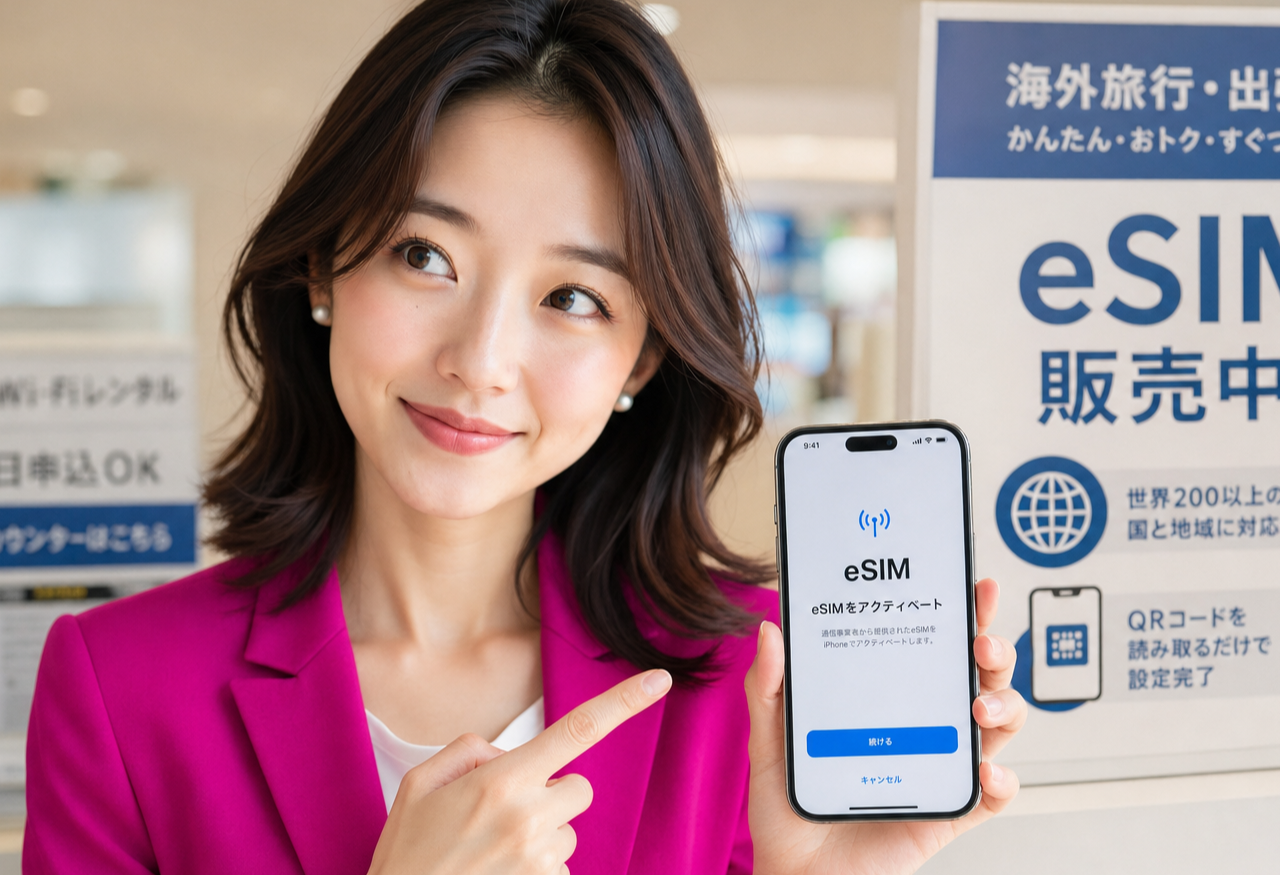
Hi, I'm Miya! Setting up home internet in Japan is straightforward, but the one thing that surprises almost everyone is the timing: signing up is quick, yet the installation visit is often booked two to four weeks out, and sometimes longer around the busy spring moving season.
So here's the shape of it. You choose a fibre plan, you sign a contract, and then you wait for either a technician to visit or for equipment to arrive. In the meantime, your apartment simply has no fixed line yet.
That gap is completely normal, and it's very manageable. Let me walk you through how the whole thing works, and what I do to stay connected from the very first day.
Fibre vs. a building-provided line
The first thing to check is what your building already supports. Many apartments in Japan come pre-wired for fibre, and the type of wiring decides how you sign up and how fast you can get online.
There are two broad situations. Some buildings have a shared, building-provided line (often called a マンションタイプ, or "mansion type" plan), where the fibre reaches the building and is distributed to each unit. This is usually cheaper and can be faster to activate, because the main infrastructure is already there.
Other buildings, or detached houses, need a dedicated line run to your unit (a ファミリータイプ, or "family type" plan). This is where a technician visit and, sometimes, drilling or cable routing comes in, which is the part that takes the longest to schedule.
Ask your landlord or property manager early: "Is the building already fibre-ready, and which provider or line type is available?" The answer shapes everything that follows.
Signing the contract
Once you know your building's setup, you sign up with a fibre provider. You can usually do this online, by phone, or at an electronics store, and many providers offer English-language support or at least English-friendly sign-up pages.
You'll typically need your address, a form of ID, and a Japanese payment method such as a credit card or bank account. Having your residence card and a local bank card or credit card ready makes this smoother.
During sign-up you'll pick a plan, and you may be asked whether you need a rented router or will use your own. If you're new here, renting the provider's equipment is the simplest choice, so everything is set up to work together from day one.
After you sign, the provider schedules the next step: either shipping a device you plug in yourself, or booking an installation visit.
The install visit and the wait
This is the part to plan around. If your unit needs a technician, the installation visit is commonly two to four weeks after you sign, and it can stretch longer during peak moving months like March and April.
On the day, the technician runs or connects the fibre, sets up the terminal (often called an ONU) and your router, and confirms you're online before leaving. The visit itself is usually short, an hour or so.
If your building is the shared, building-provided type, you might skip the visit entirely and just receive equipment to plug in, which can shave the wait down considerably. It's always worth asking whether a self-setup option is available.
Either way, block out time: you'll likely need to be home for the appointment, so pick a slot that fits your schedule when you book, because rescheduling can push you back another week or two.
What to do in the meantime
So what about those weeks between moving in and getting your line switched on? You still need to work, video-call family, look up your new neighborhood, and handle move-in paperwork online.
A few practical moves help. Keep essential accounts and passwords accessible offline, download offline maps of your area before you rely on them, and note nearby cafés or libraries with free connections as a backup for heavier tasks.
But the real answer, the one that removes almost all of the stress, is having your own mobile data from day one. When your phone can share a connection, the empty apartment isn't really offline at all.
That leads nicely into the most important thing to sort out first, even before the fibre contract.
Get connected from day one
Here's my honest take after helping so many newcomers: sort out a Japanese phone number and mobile data before you worry about the home line. It's the connection that carries you through the install wait.
With mobile data in hand, you can research providers, sign your fibre contract, receive verification codes, and tether your laptop for work, all while the home line is still weeks away. Many people find the gap so comfortable this way that a separate home line becomes optional at first, especially in a smaller apartment.
A Japanese number also makes the rest of settling in far easier, since so many services here ask for one during sign-up, including the fibre provider itself.
If you'd like a friendly place to start, I've put together a simple way to get a Japanese number and mobile data set up quickly, so you're connected the moment you walk through your new door. Sort that first, and the home internet becomes the calm, unhurried step it should be.
Related guides

Rakuten Mobile for Foreigners in Japan: What You Need, What It Costs, What's Included (2026)
A residence-card-only mobile plan in Japan, set up by eSIM. What the three price tiers actually cost, what the official page says about speed, what's bundled, the age discounts, and the documents to have ready before you apply. #PR
Read the guide →
How to Create a Rakuten ID in English — The Sign-Up Form, Field by Field (2026)
A walk-through of the actual Rakuten member registration form in English: the language switch most people miss, the six required fields, the two you can never change afterwards, and the katakana name box on the Japanese version. #PR
Read the guide →
How to Earn Rakuten Points in Everyday Life: A Practical Habit Guide
A practical guide to building a Rakuten points habit in Japan: earn through online shopping, code payment at everyday shops, and the card, with one connected ecosystem. #PR
Read the guide →