Settling in Fukuoka: A Compact City Newcomers Find Easy to Start In
Updated: 2026-09-21
Quick answer
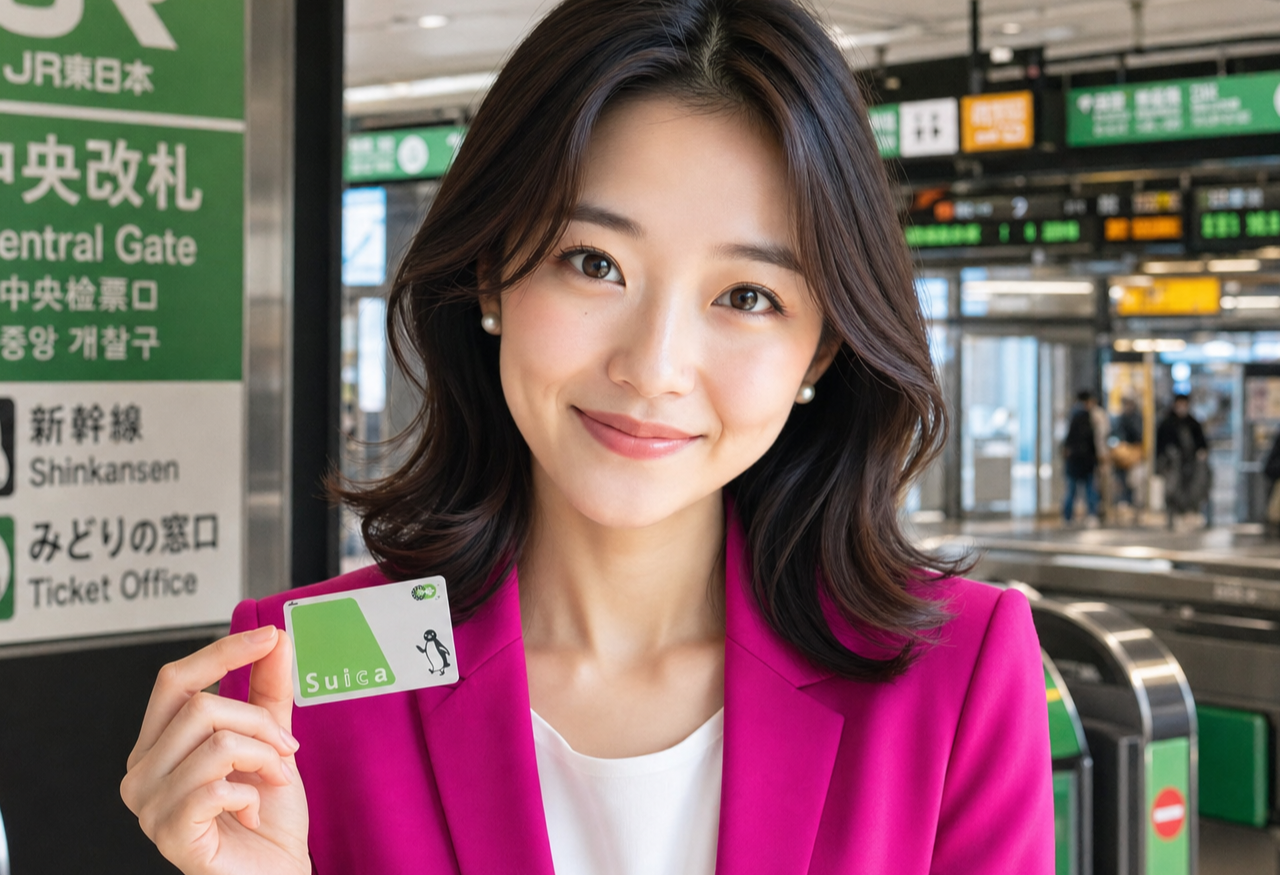
Hi, I'm Miya, and I help newcomers settle into life in Japan. Fukuoka is the city I most often call an easy place to start, and the reason is mostly geography. Hakata and Tenjin, the two centres, sit a couple of subway stops apart, the airport is at the end of that same short line, and most of an ordinary week falls inside a radius you can cross without rearranging your day.
What follows is the practical version: how the subway, the buses and a bicycle cover the city, where to take paperwork questions that get past you, what working for yourself looks like here, how simply you can leave town, and the one thing the southwest asks in return — taking typhoon season seriously.
A city you can cross without planning your day around it
The city subway has three lines, a small enough network to hold in your head after a week. The busiest runs east to west through Tenjin, Nakasu-Kawabata and Hakata Station and finishes at Fukuoka Airport, only a few minutes from Hakata. A second links the Hakata area out to the northeast, and a third comes in from the southwest through the centre. Landing in the afternoon and being at your own front door before dinner is ordinary here.
Buses fill in what the three lines miss, and the network is dense, especially around Tenjin where many routes converge. On routes where fares aren't flat: board at the middle door, take the numbered ticket from the machine, watch the fare board at the front for your number, and pay as you get off. A rechargeable IC card removes most of that arithmetic. Tenjin and Hakata are also a walk apart — around half an hour, much of it under covered arcades.
A bicycle is genuinely useful in the flat central wards, though the city climbs as you move away from the bay. Two local rules before you buy one: bicycles are registered against theft at the shop, and that registration is tied to your name, so a second-hand bike handed to you should be re-registered. And parking is enforced — leave one outside a designated area near a busy station and it can be removed to a storage yard you then have to travel to.
Where to take the questions you can't answer yourself
Fukuoka City is a designated city divided into seven wards — Higashi, Hakata, Chuo, Minami, Jonan, Sawara and Nishi — and your ward office, not city hall, is where your paperwork lives. Within fourteen days of settling at an address you file a moving-in notification there, and the same visit usually covers national health insurance, the pension system, your My Number card and the address on the back of your residence card. Bring your residence card, passport, and the moving-out certificate if you came from another municipality.
When something gets past you, Fukuoka has more places to ask than most cities its size. The city supports an international exchange foundation with an information counter for foreign residents, plus Japanese classes, volunteer interpreters and events. Separately, prefectures and major cities across Japan run one-stop consultation desks for foreign residents, free and in several languages, covering residence status, work, housing, medical care and schooling. Check current hours and languages on the city's pages for foreign residents.
Two things I'd do early. Find the counter before you need it — a consultation desk is far easier to use for the first time when the question is mild than when it's urgent. And look for a volunteer Japanese class nearby; community centres and the international association host them, they're cheap or free, and they're full of people who already solved whatever you're stuck on. None of it replaces official guidance on residence status or tax, but it beats guessing.
Working for yourself is an ordinary thing here
Fukuoka is a national strategic special zone aimed at startups and job creation, and unusually for a Japanese city, that shows up in places a newcomer can walk into. The city runs a free startup consultation service for questions like registering a company, and backs a startup base in a converted elementary school in Chuo ward's Daimyo area, with desks, events and a steady traffic of founders. Some of it is Japanese-first, but English support appears more often than the city's size suggests.
There is also a startup visa route — a national programme Fukuoka was among the first cities to operate — giving a foreign founder a preparation period to bring a business up to the requirements of a business manager residence status. I want to be careful here: eligibility, documents and the length of that window are set by the programme and the immigration authorities, not by me. Ask the city's startup desk and check the Immigration Services Agency's guidance before planning around it.
If you're freelancing or working remotely rather than founding anything, the picture is coworking spaces across Tenjin, Hakata and the streets between, with drop-in and monthly options and member events that quietly become a social life. The admin sits with you: people working for themselves generally file their own tax return during the late-winter filing season at the tax office covering their address, and enrol in national health insurance and the national pension at the ward office.
Easy to leave town — until the season says otherwise
Hakata Station is where the line from Osaka ends and the line down through Kyushu begins, which puts much of the region within a day trip. Limited express trains run west to Nagasaki and Sasebo and east to Beppu and Yufuin, while shinkansen services head south towards Kumamoto and Kagoshima. It takes remarkably little effort compared with escaping a larger metropolitan area.
The port and the airport widen it further. Ferries from Hakata Port serve the islands of Iki and Tsushima, the international terminal has long run a sea route across to Korea, and the airport carries routes around East and Southeast Asia that change season to season. One quirk to plan around: because the airport sits inside the city rather than on reclaimed land, it operates under a night-time curfew, so the very late arrivals you'd expect elsewhere don't exist. Check current services before building a trip around one.
The other side of the southwest is weather. The early-summer rainy season can bring genuinely heavy rain to northern Kyushu, and typhoon season runs from late summer into autumn with Kyushu often near the track. That means warnings and evacuation information from the city on a numbered scale, hazard maps published ward by ward that you should look up for your own address, and planned rail and air suspensions announced a day or so ahead — useful, but only if they reach you. Keep water, food and a charged battery pack at home, and find your evacuation site before the year's first warning.
Sort your number in the first week
Notice how much of that runs through a phone. Emergency and evacuation information from the city arrives as a notification; hazard maps, fare boards and ferry status are things you look up standing outside somewhere; coworking sign-ups, event registration and most services involving money send a verification code by SMS to a Japanese number, which a foreign one often can't receive; and the neighbourhood groups and volunteer rosters where local events are actually organised run on messaging apps tied to a number.
So sort it in your first week rather than your first month. It's one of the simpler items on the settling-in list: you apply online with your residence card, verify your identity from your phone, and eSIM-capable handsets can often connect the same day, typically in about fifteen minutes. Have a look at our setup guide for the step-by-step, and confirm the current terms on the page before you apply. Fukuoka is a forgiving place to begin. I'll be here.
Related guides

Getting Tickets in Japan: Lotteries, E-Tickets and Convenience-Store Pickup
How ticketing works in Japan: advance lotteries, paying only if you win, convenience-store pickup and app-based e-tickets. #PR
Read the guide →
Cooking in a Japanese Kitchen: One Burner, No Oven, and How People Manage
One or two burners, a grill drawer, a rice cooker and no oven — a practical guide to cooking in a small Japanese kitchen. #PR
Read the guide →
Finding Hair and Skincare Products That Work for You in Japan
A calm guide to hair and skincare shopping in Japan: reading Japanese labels, textured-hair options and importing. #PR
Read the guide →