SIM-Free vs Carrier-Set Phones in Japan: Which Route Suits You
Updated: 2026-09-01
Quick answer
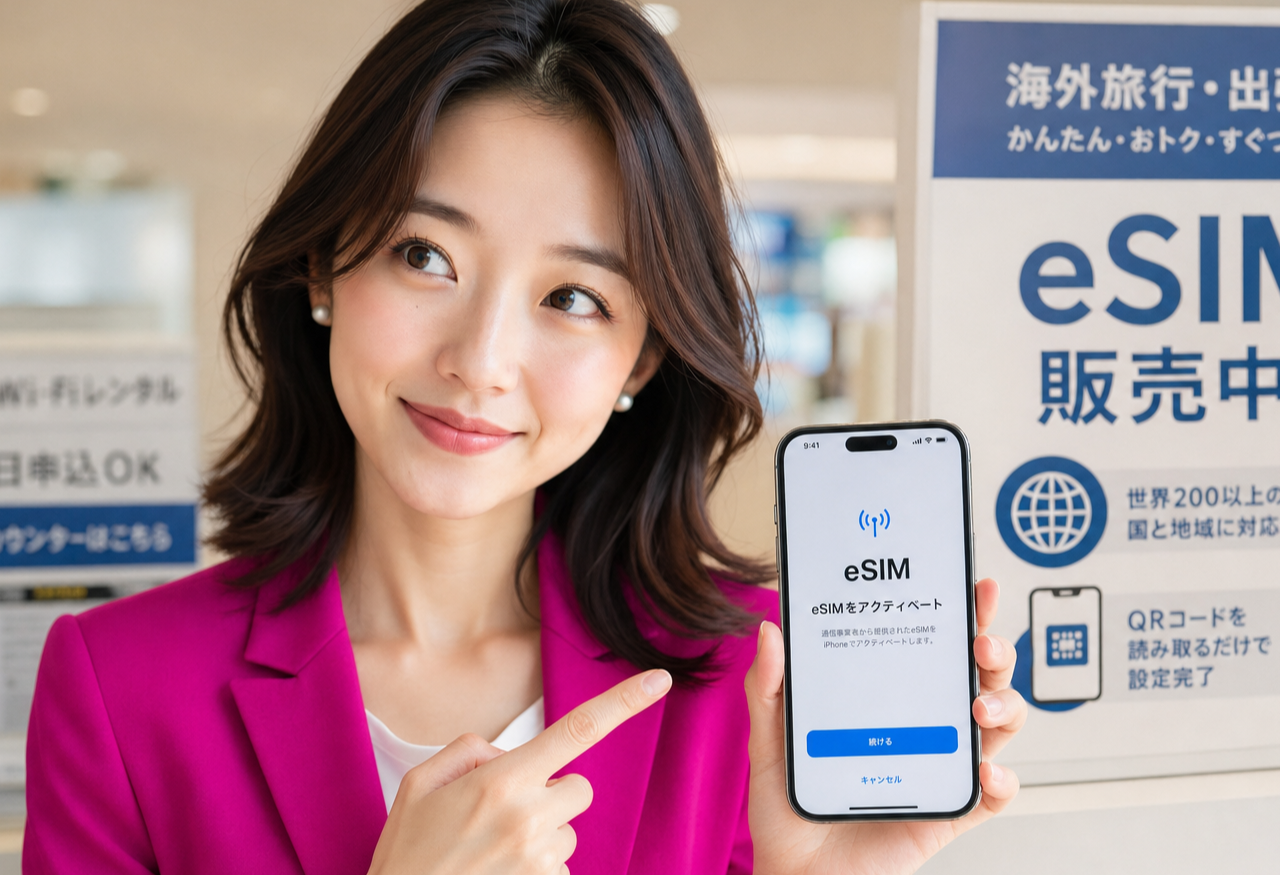
Hi, I'm Miya — I help newcomers settle into life in Japan. When people ask how to get a phone here, it really comes down to two routes: buy a SIM-free handset and bring it to a plan you choose, or take a carrier's device-and-line set as one package. Neither is universally better; each just fits a different situation, and I'll walk you through the trade-offs so you can pick calmly.
The two routes, plainly
A SIM-free phone is one you buy on its own, not tied to any single line. It's ready to accept a SIM or an eSIM from whatever plan you sign up for, so the phone and the line are two separate decisions you make independently.
A carrier-set is the opposite bundle: you get the handset and the line together from the same place, often paid off over time alongside your monthly plan. It's one shop, one contract, one flow — the phone and the service arrive as a matched pair.
Flexibility and unlocking
The SIM-free route keeps your options open. Because the phone isn't wedded to one line, you can switch plans later without changing devices, and a travel-friendly eSIM slot is easy to use when you go abroad. If you like keeping the phone and the plan as separate, swappable pieces, this is the natural fit.
A set can still be flexible, but a device bought as part of a bundle may need to be unlocked before it will happily accept another line. It's usually a simple step, yet it's worth knowing up front — if you expect to change plans often, factor that in rather than discovering it later.
Timing, resale, and keeping a phone
Timing differs between the two. With a SIM-free phone already in hand, you can line up your plan on your own schedule and activate when you're ready. With a set, the device and the line tend to start together, which is tidy if you want everything sorted in one sitting.
Resale and longevity are worth a thought too. A phone that isn't tied to a line is generally straightforward to pass on or trade when you upgrade, and it keeps working with any plan you choose next. A bundled device can be just as long-lived — simply check whether anything is still being paid off before you move it on.
Which route suits you
If you already own a phone you like, or you want to choose the handset and the plan separately, SIM-free is the smooth path — you bring the device and simply add a line. It also suits people who travel, since an eSIM-ready phone can hold more than one profile.
If you'd rather have one shop handle everything and don't mind the device and line being linked for a while, a set can be genuinely convenient. There's no wrong answer here; it's about which kind of simplicity you value — fewer moving parts, or more freedom to mix and match.
Pairing it with a Japanese line
Whichever route you pick, the practical first move once you're settling in is a Japanese phone number and a bit of data. A SIM-free or eSIM-ready phone pairs neatly with a Japanese line, and with an eSIM there's nothing physical to wait for in the mail.
You apply online with your residence card, and an eSIM-capable phone can activate the same day — set-up takes only around fifteen minutes. Have a look at our setup guide for eligibility and the steps, and confirm current terms on the official page before you apply. I'll be right here for the phone part.
Related guides

Rakuten Mobile for Foreigners in Japan: What You Need, What It Costs, What's Included (2026)
A residence-card-only mobile plan in Japan, set up by eSIM. What the three price tiers actually cost, what the official page says about speed, what's bundled, the age discounts, and the documents to have ready before you apply. #PR
Read the guide →
How to Create a Rakuten ID in English — The Sign-Up Form, Field by Field (2026)
A walk-through of the actual Rakuten member registration form in English: the language switch most people miss, the six required fields, the two you can never change afterwards, and the katakana name box on the Japanese version. #PR
Read the guide →
How to Earn Rakuten Points in Everyday Life: A Practical Habit Guide
A practical guide to building a Rakuten points habit in Japan: earn through online shopping, code payment at everyday shops, and the card, with one connected ecosystem. #PR
Read the guide →