Staying at a Ryokan in Japan: How a Traditional Inn Works for First-Timers
Updated: 2026-09-10
Quick answer
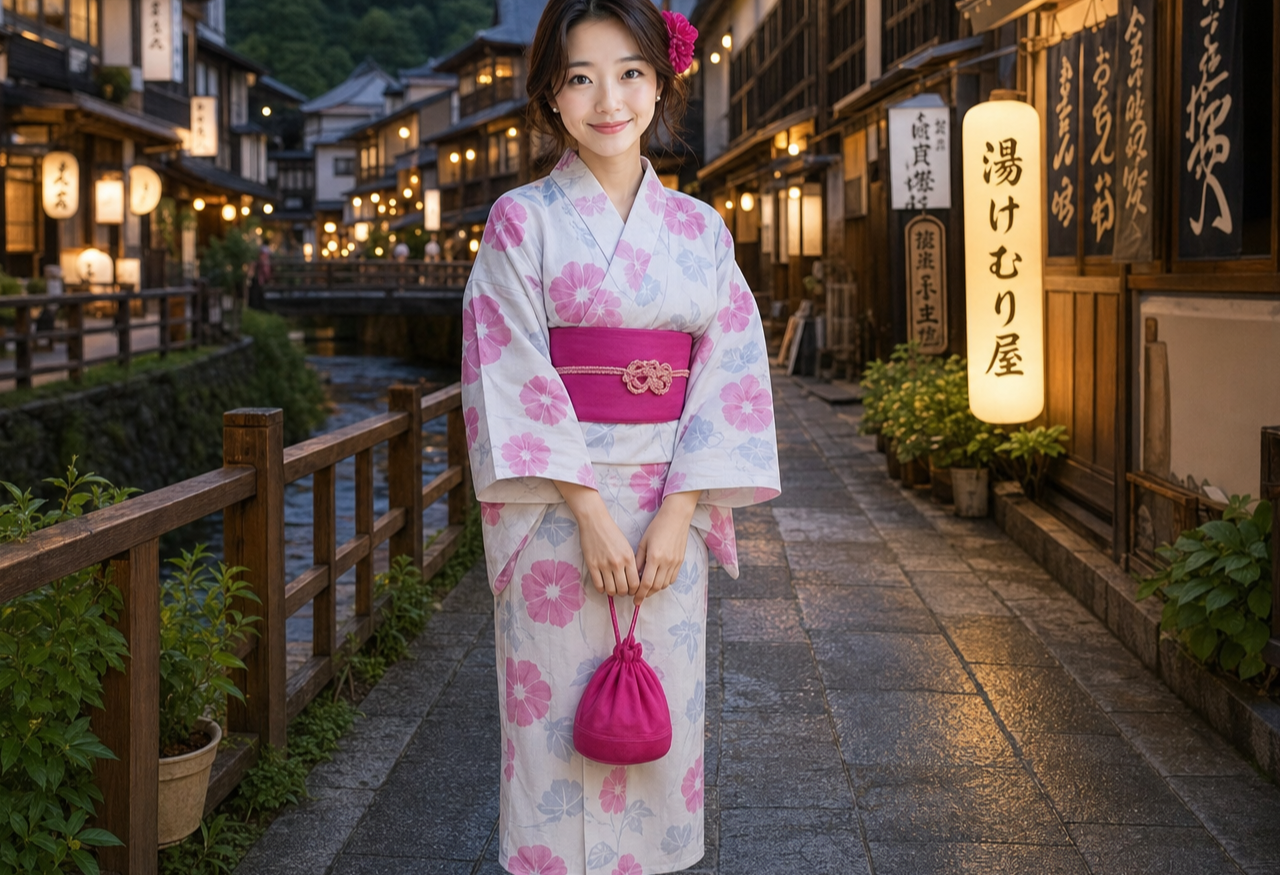
A ryokan is a traditional Japanese inn, and staying at one feels less like booking a room and more like being welcomed as a guest for the night. You sleep on a futon laid out over tatami mats, change into a comfy yukata robe, soak in a hot-spring or in-house bath, and are usually served a multi-course dinner and breakfast. You don't need to know the rules perfectly in advance — the staff gently guide you, and the whole rhythm is designed to help you slow down and relax.
How a ryokan differs from a hotel
The first thing you'll notice is the floor. Ryokan rooms are floored with tatami, woven straw mats you walk on in socks or bare feet, so shoes come off at the entrance. Instead of a fixed bed, you get a futon — a padded mattress and quilt — that staff often lay out on the tatami while you're at dinner and fold away in the morning. It can feel surprising the first time, but the futon is warm and closer to the floor, which many people find cozy.
The other big difference is that a ryokan sells an experience, not just a place to sleep. Meals, a bath, and a set of amenities like the yukata robe are frequently bundled into one stay. Rooms tend to be calm and minimal — a low table, floor cushions, a scroll or flower arrangement — and there's an unhurried pace to the whole evening that a business hotel simply doesn't have.
The typical rhythm of an evening
Check-in is usually in the mid to late afternoon, earlier than a city hotel, because the evening itself is the main event. When you arrive you'll swap your shoes for slippers, be shown to your room, and often be served a cup of tea and a small sweet while someone explains the bath times and when dinner will be. This is your cue to change into the yukata and settle in.
From there the evening flows: a bath before dinner, then a leisurely multi-course meal, then another soak or an early night on the futon. Breakfast the next morning is typically included and served at a set time. You don't have to schedule any of it yourself — the ryokan quietly sets the tempo, and you just follow along.
Shoes off, yukata on, and a little bath etiquette
Shoes off is the golden rule: leave outdoor shoes at the genkan (entrance) and switch to the slippers provided, then step out of even the slippers before you walk onto tatami. The yukata is worn around the inn, to meals, and to the bath — wrap the left side over the right (the other way is only for funerals), tie the sash, and you're set. Many ryokan are completely fine with guests strolling the halls in yukata.
For the baths, the short version is: wash and rinse fully at the seated shower stations before getting in, keep your small towel out of the water, and remember the soaking pool is for relaxing, not scrubbing. Baths are usually separated by gender, and tattoos can be an issue at some places, so it's worth checking ahead if that applies to you. If you want the full walkthrough, our onsen etiquette guide covers it step by step.
Kaiseki dinner and breakfast
Dinner at a ryokan is often kaiseki — a series of small, seasonal courses served in a set order, showcasing local and seasonal ingredients. Depending on the inn it may be brought to a dining room or, at some places, served in your room. There's no need to rush; the pacing is part of the pleasure, and staff bring each dish when you're ready for it. If you have allergies or dietary needs, mention them when you book, since menus are usually planned in advance.
Breakfast is typically a generous Japanese spread — think grilled fish, rice, miso soup, pickles, and small side dishes — though some ryokan offer a Western option too. Both meals are usually served at set times rather than on demand, so it helps to note the hours you're given at check-in.
Tips for booking your first ryokan
For a first stay, look for a ryokan that's used to overseas guests and clearly lists what's included — dinner, breakfast, and whether the bath is a shared onsen or a private one. Deciding whether you want an in-room bath, a big communal onsen, or both will narrow things down quickly. Many memorable ryokan sit in hot-spring towns and quieter rural areas, so factor the journey into your plans rather than expecting a city-center location.
Book earlier for weekends, holidays, and peak seasons like autumn foliage and cherry blossoms, when popular inns fill up. Check the meal plan carefully, because some rates include both dinner and breakfast while others don't. And when amounts, cancellation rules, or tax details are unclear, confirm directly with the ryokan or the booking platform rather than guessing.
Getting there is part of the trip
The catch with the loveliest ryokan is that they're often tucked away — a hot-spring valley, a small coastal town, a mountain hamlet reached by a local train and a short bus. That's a big part of the charm, but it also means you'll be leaning on your phone: pulling up the booking confirmation, checking train and bus times, and following the map for the last stretch on foot. When your data is reliable, those rural connections feel like a pleasant adventure instead of a source of stress.
That's why I always suggest sorting out a Japanese mobile line before you start planning these trips, so booking, navigating, and staying in touch all just work when you're far from the city.
Set up a Japanese line the easy way
Once your residence card is in hand, getting connected is refreshingly quick. With an eSIM you can sign up online the same day and be up and running in around fifteen minutes — no trip to a store, no waiting for a card in the mail. You pick a plan, verify your details, and your Japanese number is ready to use.
Having your own number and data from the start makes everything smoother, from confirming a ryokan reservation to finding the right platform at a tiny countryside station. Get it set up early, and the rest of your travels around Japan get to be the relaxing part.
Related guides

Getting Foreign Documents Accepted in Japan: Translation, Apostille and Stamps
Hi, I'm Miya! How a foreign birth certificate, marriage record or degree gets accepted in Japan, plus apostille. #PR
Read the guide →
Internships in Japan for International Students: How They Actually Work
Hi, I'm Miya! Japanese internships are short, seasonal, and often an early screening step. Here is how they really work. #PR
Read the guide →
The First-Year Dip: Culture Shock in Japan and How People Come Out of It
The first year in Japan often dips before it lifts — what sets it off, what helps, and when to talk to someone. #PR
Read the guide →