Living in Japan with Tattoos: Onsen, Gyms, Pools and Everyday Etiquette
Updated: 2026-09-08
Quick answer
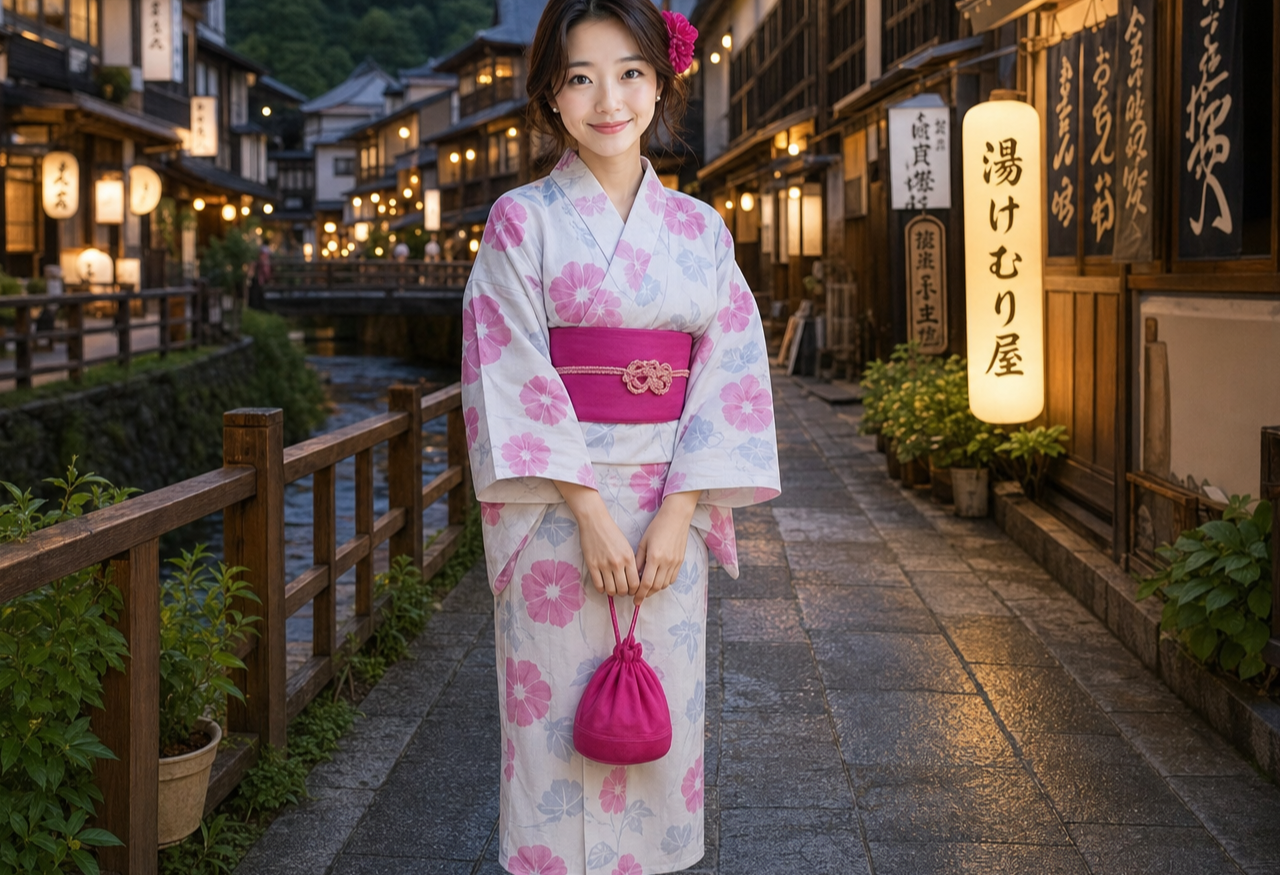
Hi, I'm Miya, and this is one of the questions newcomers ask me most quietly: can I still enjoy an onsen, a gym or a pool if I have tattoos? The short answer is yes, in daily life tattoos rarely cause any problem, and most of Japan simply won't notice or mind. The one place old rules linger is around bathing and some fitness spaces, and even there the picture is softening year by year.
So think of this less as a wall and more as a small planning step. A few facilities still ask guests with tattoos to cover up or use a private option, others welcome everyone as they are, and the only real skill is knowing which is which before you arrive. I'll walk you through where limits show up, the calm workarounds, and how a quick check ahead saves the awkward moment at the front desk.
Where access can be limited, and why
The places where tattoos can still matter are fairly specific: some hot springs, traditional public baths (sento), certain hotel spas, water parks and pools, and a share of gyms. It isn't about disliking body art itself. The rules mostly grew from an older association between tattoos and organised crime, so a no-tattoo sign was historically a way for a bath house to signal a certain kind of atmosphere to its regulars.
That history means the policies vary a lot and rarely feel personal. A small countryside inn may not think about it at all, while a large chain facility might print the rule on its price board to keep things simple. Knowing the reason helps me stay relaxed about it: a cover-up request is house policy, not a judgement of me, and there's almost always a friendly way through.
Gentle workarounds that actually work
For small or medium tattoos, skin-tone cover stickers and patches are the everyday fix, sold in pharmacies and online in sheets you cut to size. They're designed to survive warm water for a reasonable soak, and many bathing facilities that ask for coverage will happily accept a neatly covered tattoo. I keep a few in my bag the way I keep a spare charger, just in case a place turns out to be stricter than expected.
When a tattoo is large or you'd simply rather not fuss, a private bath is the calmest route. Many onsen towns offer kashikiri, a family or private bath you book by the hour so the space is yours, and plenty of ryokan rooms now come with their own en-suite bath. Alongside that, a growing number of tattoo-friendly onsen and sento welcome everyone with no cover needed at all, which makes them lovely to seek out.
Gyms, pools and water parks
Gyms are a mixed bag worth checking case by case. Some chains and municipal sports centres still list a no-visible-tattoo rule in their membership terms, while many independent and international-minded gyms don't mind at all. If you're joining somewhere long-term, it's worth reading the house rules or asking at sign-up, since a discreet cover sleeve or long-sleeve gear can be an easy compromise where a rule exists.
Pools and water parks tend to sit closer to the bathing world in their thinking, and public or hotel pools are among the more likely places to ask for coverage. Waterproof cover patches help here too, though very large designs are harder to hide once you're swimming. For a relaxed day out, I like to confirm the pool's stance in advance rather than discover it in a swimsuit at the gate.
How to check ahead, and shifting attitudes
Checking ahead is genuinely the whole game, and it's easy. Facility websites increasingly state their tattoo policy plainly, finder maps and apps let you filter for tattoo-friendly baths, and a short phone call clears up anything unclear, especially at smaller places where a real person's answer beats a guess. Asking politely whether covered tattoos are okay is completely normal and staff are used to the question.
The good news is that attitudes are gradually opening up. With more international visitors and residents, and younger Japanese getting tattoos too, many facilities have quietly relaxed or added tattoo-friendly hours and private options. It's uneven, so I still check each place on its own terms, but the overall direction feels warmer and more welcoming than the reputation suggests.
A connected number makes checking easy
Almost every step above leans on being reachable and online: pulling up finder apps and maps to spot tattoo-friendly onsen, gyms and pools, and making that quick call to confirm a facility's current terms before you set off. A Japanese phone number and a little data turn all of that from a hassle into a two-minute task from the sofa, so you arrive already knowing you're welcome.
If you don't have a local number yet, you can apply online with your residence card and get set up with an eSIM the same day, often in around fifteen minutes and with no store visit. It's a small piece of admin that quietly unlocks the rest, from booking a private bath to messaging a gym. Do check the current terms on the provider's own page first, then enjoy the onsen with one less thing on your mind.
Related guides

Your First Week in Tokyo: A Gentle Newcomer's Itinerary (2026)
A calm, day-by-day plan for your first seven days in Tokyo — paperwork, essentials, and easing into the city without burning out. #PR
Read the guide →
Easy Day Trips from Tokyo for Newcomers (2026)
Four beginner-friendly day trips from Tokyo — Kamakura, Hakone, Nikko, and Kawagoe — reachable by train, plus how to plan them without stress. #PR
Read the guide →Onsen Etiquette: A Gentle First-Timer's Guide (2026)
Your warm, no-stress guide to enjoying a Japanese hot spring for the first time — the simple rituals, so you can relax and fit right in. #PR
Read the guide →