Kenko Shindan (健康診断): Japan's Annual Health Checkup, Explained in English (2026)
Updated: 2026-08-27
What does kenko shindan mean?
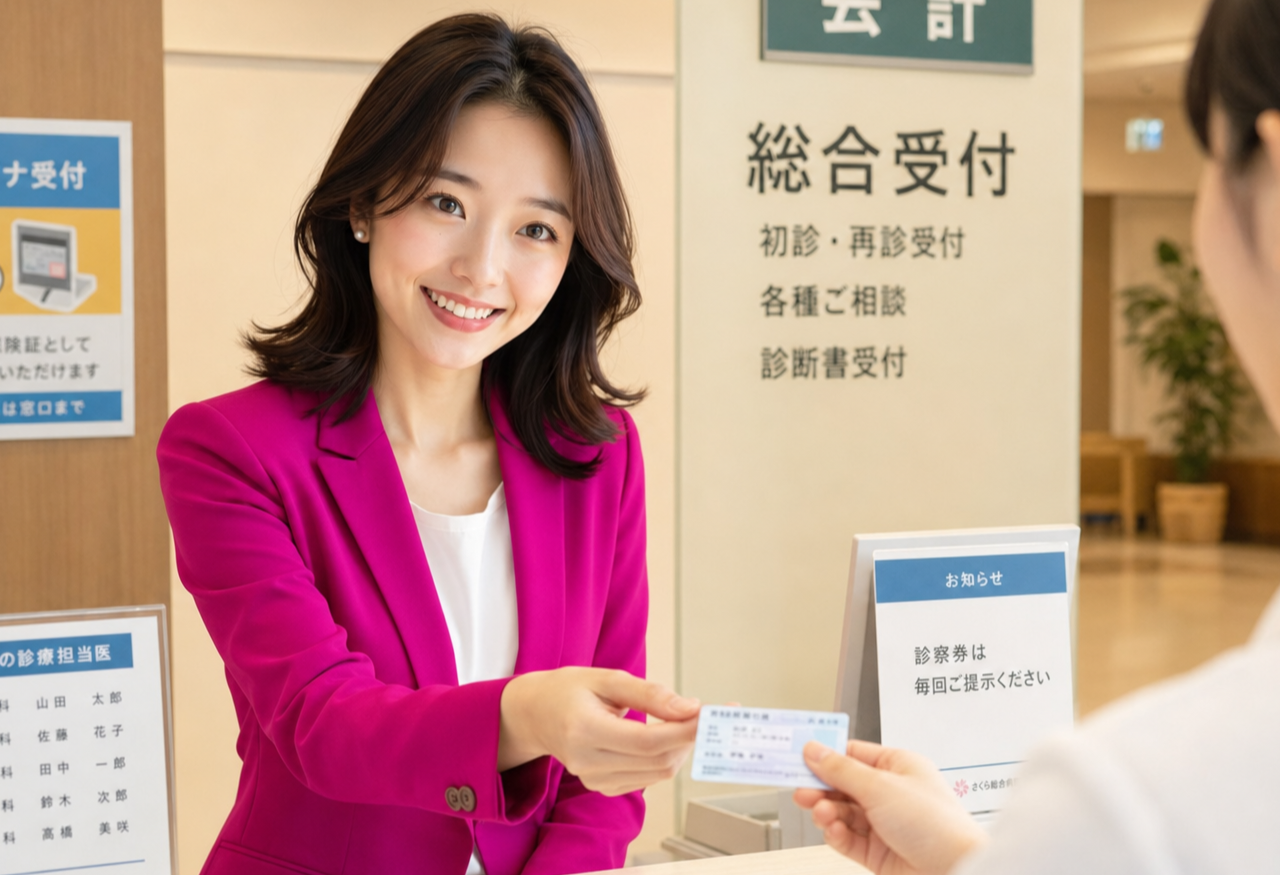
Hi, I'm Miya! In Japan there's a friendly yearly ritual you'll hear about called the kenko shindan (健康診断), a routine preventive health checkup. It isn't for when you feel sick, it's a once-a-year look under the hood so small things get spotted early, and honestly it's a lot more relaxed than it sounds.
The short version: your employer or your ward usually arranges the checkup for you, you book a slot, and on the day you go through a series of quick, standard measurements and tests. A few weeks later your results arrive, and if anything needs a closer look you'll be pointed to follow up. Below I'll walk through each part. This is different from my separate guides on visiting a clinic when you're unwell and on finding English-speaking medical care, so think of this as the preventive one.
Kenko shindan and the more thorough ningen dock
The everyday checkup is the kenko shindan, a standard set of basic health checks that most working adults and residents go through once a year. It's designed to be quick and consistent, so the same core measurements are taken each time and you can watch your own numbers over the years.
You may also hear about the ningen dock (人間ドック), which is a more thorough, in-depth checkup. It covers the basics plus a wider range of tests and imaging, and people often choose it when they want a fuller picture or are a bit older. It usually takes longer, sometimes a half or full day. Which one is right for you depends on your situation, so treat the ningen dock as the optional deeper version rather than something everyone needs.
Why employers and the ward arrange them
If you work for a company, an annual health checkup is a normal part of the deal, and your employer typically organizes one for staff each year. They'll tell you when it's happening and where to go, so a lot of the arranging is handled for you. It's a routine, expected thing, not a sign anyone thinks something is wrong.
If you're not covered through an employer, your city or ward also offers residents' health checkups, and they'll usually send a notice by post when you're eligible. So whether you're an employee, self-employed, or at home, there's a path to a checkup either through work or through your local government.
How to book one
Through an employer, booking is usually simple: HR or your company sends round the details, and you either sign up for a date or are assigned one. Sometimes the checkup happens at a partner clinic, sometimes a mobile unit even visits the workplace. If you're unsure, HR is the right place to ask.
Through the ward, keep an eye on the mail. When a residents' checkup notice arrives, it explains who's eligible and how to reserve, often by phone, an online form, or a returned postcard, and which clinics take part. Once you pick a slot you'll get a confirmation. Either way, it helps to have your phone handy, since reminders and confirmations often come by call, text, or app.
What the day involves, and getting your results
On the day, come as instructed, some tests ask you not to eat beforehand, so read the notice. The checkup itself is a smooth series of quick stations: height, weight and waist, blood pressure, an eyesight and hearing check, a blood test and a urine test, and often a chest X-ray. Depending on the checkup there may be a few more items and a short chat with a doctor. Each part only takes a moment, and staff guide you from one station to the next.
You won't get most results on the spot. A few weeks later a report arrives, by post or sometimes through an app, showing your measurements and flagging anything worth a closer look. If something is flagged, it's simply a nudge to book a proper follow-up, not a diagnosis. For what any specific result means or what to do next, always follow the guidance in your report and from a medical professional, that part is beyond what I can advise on.
Staying reachable, a little tip from me
Here's the quiet thread running through all of this: your checkup is booked, confirmed, and delivered through phone, app, or post. Appointment reminders may come as a call or a text, the ward's notice needs a working address, and results or follow-up requests often arrive digitally. An active Japanese phone number keeps you reachable at every one of those steps, so nothing slips through while you're settling in.
If you're still getting set up, sorting out a local number and data early means you're contactable when that first checkup notice lands. An eSIM can activate the same day once your residence card is in hand, so you can be reachable quickly without waiting on a physical card in the mail. Take good care of yourself, and I hope your checkup is a calm, boring one in the best possible way!
Related guides
Using Your My Number Card as a Health Insurance Card in Japan (Maina Hokensho)
A friendly, procedure-focused guide to using your My Number card as your health insurance card at clinics and pharmacies in Japan. #PR
Read the guide →Online Medical Consultations in Japan: How Telemedicine (Online Shinryo) Works
A warm, practical guide to online doctor consultations in Japan — what online shinryo covers, how a visit flows, and how the medicine reaches you. #PR
Read the guide →Switching Health Insurance When Your Job Changes in Japan
A calm, step-by-step guide to moving between national and employees' health insurance in Japan without a gap. #PR
Read the guide →