Using Your My Number Card as a Health Insurance Card in Japan (Maina Hokensho)
Updated: 2026-09-12
Quick answer
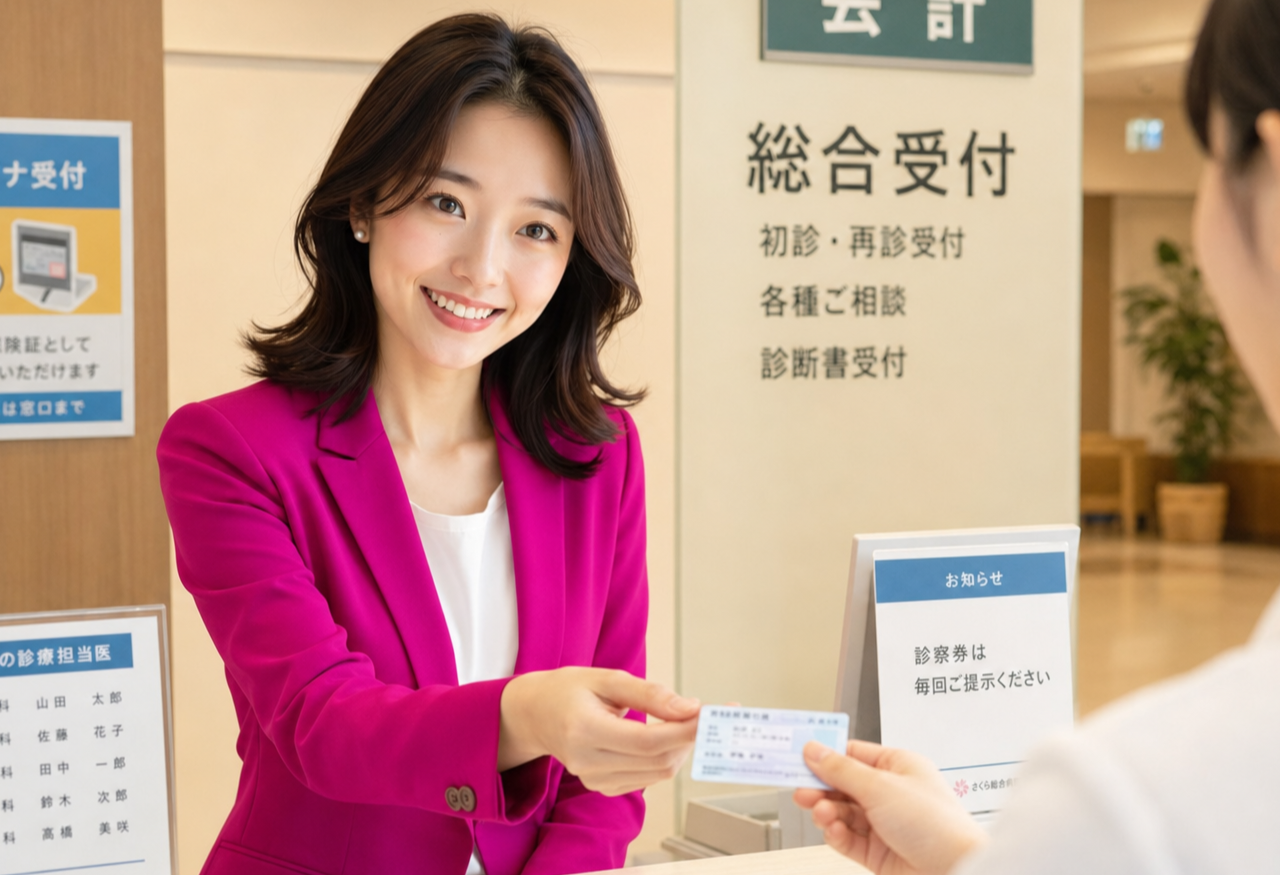
Hi, I'm Miya, and here's the short version: in Japan your My Number card can now double as your health insurance card at clinic and pharmacy reception. People call this the maina hokensho. Instead of carrying a separate paper insurance card, you register your My Number card once, and after that you present the same card when you check in for a visit.
This is a different topic from applying for the card itself, and different from enrolling in health insurance. Here I'm just walking you through the day-to-day part: getting your card ready for insurance use, and what actually happens at the reception desk when they read it.
What the maina hokensho actually is
The maina hokensho is not a new card. It's your existing My Number card, linked to your health insurance so that a card reader at the clinic can confirm your coverage on the spot. Nothing about your insurance itself changes — it's the way you show it that becomes simpler.
The paper health insurance card that many people are used to is gradually being phased out, and the My Number card is taking over that role. Because timing and transition details are decided by the authorities and can be updated, I always point newcomers to official government guidance for the current specifics rather than relying on what a friend did last year.
Registering your card for insurance use
Before your card can work at a reception counter, it needs to be registered for insurance use. This is a one-time setup, and you'll do it yourself rather than at the clinic. The most common way is through the government's online portal, which you access with your phone and confirm using the security codes you chose when you received your card.
You can also complete the registration at a card reader placed in participating pharmacies and medical institutions, or at some public counters. If you're unsure which route fits you, the official portal explains the current options step by step, and it's worth doing this calmly at home before you're actually sick and standing in line.
At the reception desk
When you arrive at a clinic or pharmacy that supports it, look for the small card reader near reception. You place your My Number card on it, and then confirm your identity — usually either by a face check on the device or by entering your card's short PIN. The screen also asks for your consent on things like whether to share past prescription or medical information with the clinic, and you simply choose your answer on the display.
If the reader ever can't confirm your coverage, don't panic — this happens sometimes and reception staff are used to it. Just let them know at the desk; there are backup procedures so you can still be seen. Being calm and asking the staff directly is genuinely the best move, because they handle this every day.
Checking your own records
One quiet benefit of the system is that you can review your own health-related records through the same government portal — things like your medical and prescription history become viewable in one place. It's handy when you switch clinics, see a new doctor, or just want to keep track of what you've been prescribed.
You control what gets shared and when, and you view it privately on your phone. If you'd like to understand exactly what information is available and how sharing consent works, the official portal is the place to check, since these features are updated over time.
As the paper card winds down
Because the paper insurance card is being phased out, getting comfortable with the My Number card version now saves you a scramble later. There's no need to rush anxiously, but doing the registration while things are calm means one less thing to sort out at a reception counter when you're not feeling well.
If you haven't registered yet, treat it as a small errand to knock out this month. Set aside a few quiet minutes, have your card and your PINs ready, and follow the official steps — and next time you visit a clinic, checking in will feel routine.
Get connected first, then set it up
Here's where your phone comes in. Registering your card for insurance use, confirming your identity, and checking your medical records are all done through the government portal that verifies you via your phone — so having an active Japanese number and mobile data set up early makes the whole thing smooth. Trying to do it over borrowed cafe wifi is exactly the stress I want you to skip.
So I get newcomers connected first. With Rakuten Mobile you can apply online with just your residence card, and eSIM-capable phones can be running the same day. Check current terms on the official page before you apply — then setting up your maina hokensho is just a quiet few minutes at home.
Related guides
Online Medical Consultations in Japan: How Telemedicine (Online Shinryo) Works
A warm, practical guide to online doctor consultations in Japan — what online shinryo covers, how a visit flows, and how the medicine reaches you. #PR
Read the guide →Switching Health Insurance When Your Job Changes in Japan
A calm, step-by-step guide to moving between national and employees' health insurance in Japan without a gap. #PR
Read the guide →Referral Letters and the Large-Hospital Fee in Japan: See a Clinic First
Why Japan nudges you to a local clinic before a big hospital, the referral letter, and the extra fee to know about. #PR
Read the guide →