Referral Letters and the Large-Hospital Fee in Japan: See a Clinic First
Updated: 2026-09-07
Quick answer
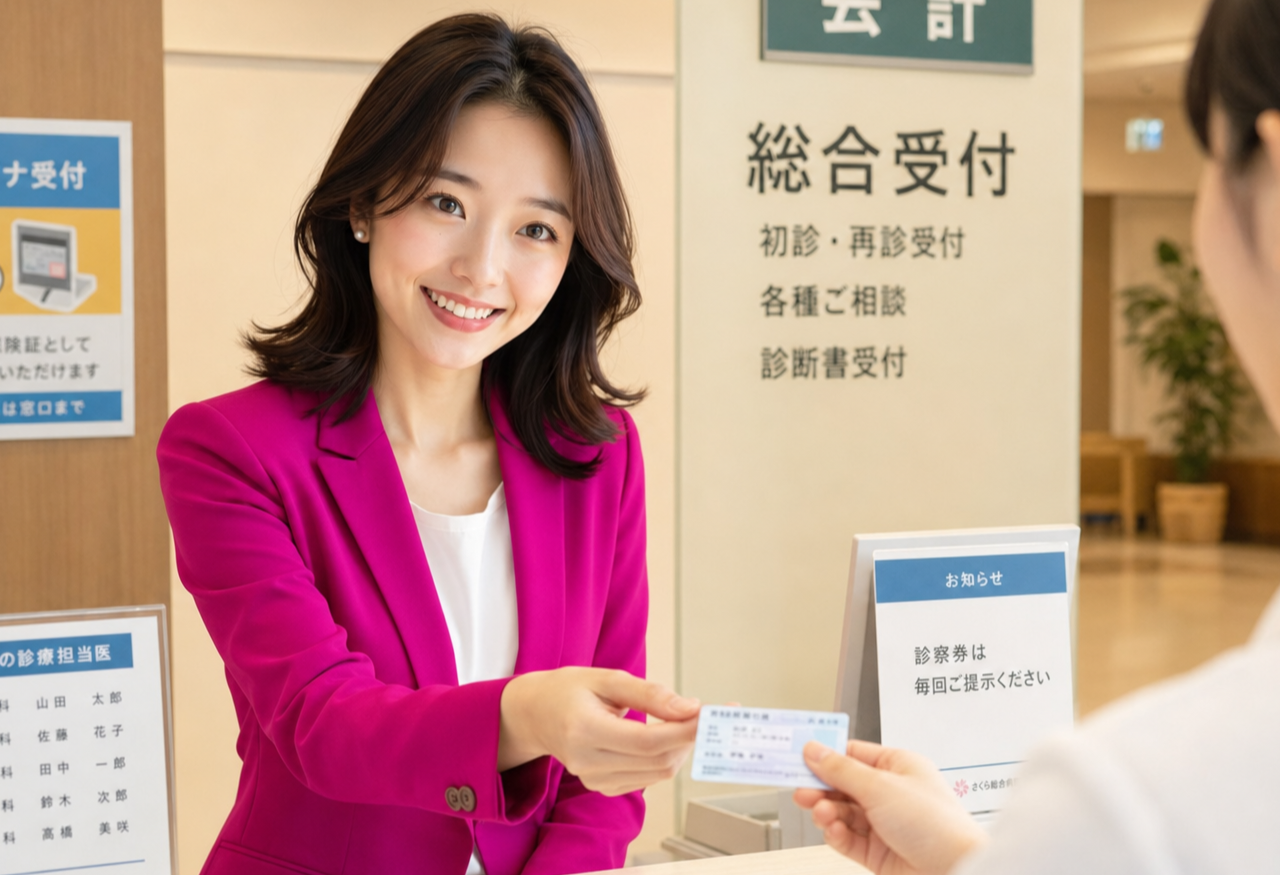
Hi, I'm Miya, and here's something I wish every newcomer knew before their first health scare: in Japan you're usually meant to see a small local clinic first, not head straight to a big hospital. When a clinic decides you need specialist care, they write you a referral letter — a shokai-jo — that you carry to the hospital. If you skip that step and arrive at a large hospital without one, many of them charge an extra selection fee (senteiryogaku) on top of your normal costs. It isn't a punishment; it's how the system keeps big hospitals free for the people who truly need them. This is general guidance, not medical advice, so always follow what the clinic and hospital tell you.
Why the system nudges you to a clinic first
Big hospitals in Japan are built for complex, serious, and specialist care — surgery, advanced tests, conditions that a general doctor can't handle alone. If everyone with a cough or a sprain went straight there, the people who genuinely need that level of care would be stuck waiting behind long queues. So the system gently steers everyday complaints toward neighbourhood clinics first.
A local clinic (often called a kurinikku or shinryojo) is your front door. The doctor there can treat a lot of things on the spot, and just as importantly, they know when something is beyond their scope and needs a specialist. Think of the clinic as your guide into the system rather than a lesser option — starting there is exactly what you're supposed to do.
What a referral letter (shokai-jo) actually is
A shokai-jo is a letter your clinic doctor writes to introduce you to a hospital or specialist. It summarises your symptoms, what they've observed, any tests already done, and why they think you should be seen. You carry it — sometimes sealed in an envelope — to the hospital, where it saves the specialist from starting your story from zero.
Beyond avoiding the extra fee, the letter is genuinely useful. It means fewer repeated tests, a faster and clearer first appointment, and a specialist who already understands why you're there. If your clinic recommends a referral, ask how to receive it and whether they can help you book the hospital appointment — many clinics will point you to the right department.
The selection fee for arriving without a referral
If you go directly to a large hospital without a referral, many of them add a selection fee, senteiryogaku, on top of your usual treatment costs. It's a set charge that applies to first visits without a letter, and it exists specifically to encourage the clinic-first route. The same kind of fee can apply if you keep returning to a big hospital for care a local clinic could handle instead.
I'm deliberately not quoting a figure here, because the amount and the exact rules vary by hospital and can change. The reliable move is to check the specific hospital's own website or call their reception and ask about their fees for patients without a referral. That one question, asked in advance, saves a lot of surprise at the payment window.
How to handle it in practice
For an everyday, non-urgent problem, start at a nearby clinic. Search for one that fits your issue, check its hours, and if it takes reservations, book ahead — many clinics run on a mix of appointments and walk-ins. Bring your health insurance card and, if you have one, your residence card. If the doctor recommends a specialist, that's when the referral letter comes in.
Genuine emergencies are the clear exception — if it's serious or life-threatening, you don't stop to worry about referrals. Otherwise, when you're unsure where to go, Japan has phone consultation lines and official local health guidance that can point you toward the right kind of place. When in doubt, ask the clinic or the hospital directly; they're used to helping newcomers find their footing.
Get connected first, then the system is easy
Notice how much of this quietly runs through a phone: searching for a clinic that suits your symptoms, checking opening hours, booking a reservation, calling a hospital's reception to ask about their fees, or ringing a health consultation line when you're unsure. Without a working Japanese number and mobile data, every one of those small steps turns into a scramble for wifi at the worst possible moment.
So I get newcomers connected before they ever need it. With Rakuten Mobile you can apply online with just your residence card, and if your phone supports eSIM you can be set up the same day — often in around fifteen minutes, with no need to visit a store. Check the official page for current conditions before you apply, and I'll help with the mobile side, so that when a health question comes up, your phone is already routing you calmly through the system.
Related guides
Using Your My Number Card as a Health Insurance Card in Japan (Maina Hokensho)
A friendly, procedure-focused guide to using your My Number card as your health insurance card at clinics and pharmacies in Japan. #PR
Read the guide →Online Medical Consultations in Japan: How Telemedicine (Online Shinryo) Works
A warm, practical guide to online doctor consultations in Japan — what online shinryo covers, how a visit flows, and how the medicine reaches you. #PR
Read the guide →Switching Health Insurance When Your Job Changes in Japan
A calm, step-by-step guide to moving between national and employees' health insurance in Japan without a gap. #PR
Read the guide →