Being Admitted to Hospital in Japan: The Admission Process and What to Bring
Updated: 2026-09-05
Quick answer
Hi, I'm Miya, and I help newcomers settle into life in Japan. Being admitted to hospital (nyuin) sounds scary, but the process is orderly: you'll get admission paperwork to sign, usually a guarantor form, and a short list of things to bring. Whether your stay is planned or sudden, the ward staff will walk you through each step, and you can ask for the pace to slow down anytime.
This is a practical guide, not medical advice. For anything about your condition, treatment, or costs, the hospital's admission desk and your care team are the people to trust. My job here is just to help you know what to expect so the first day feels less overwhelming.
How admission works
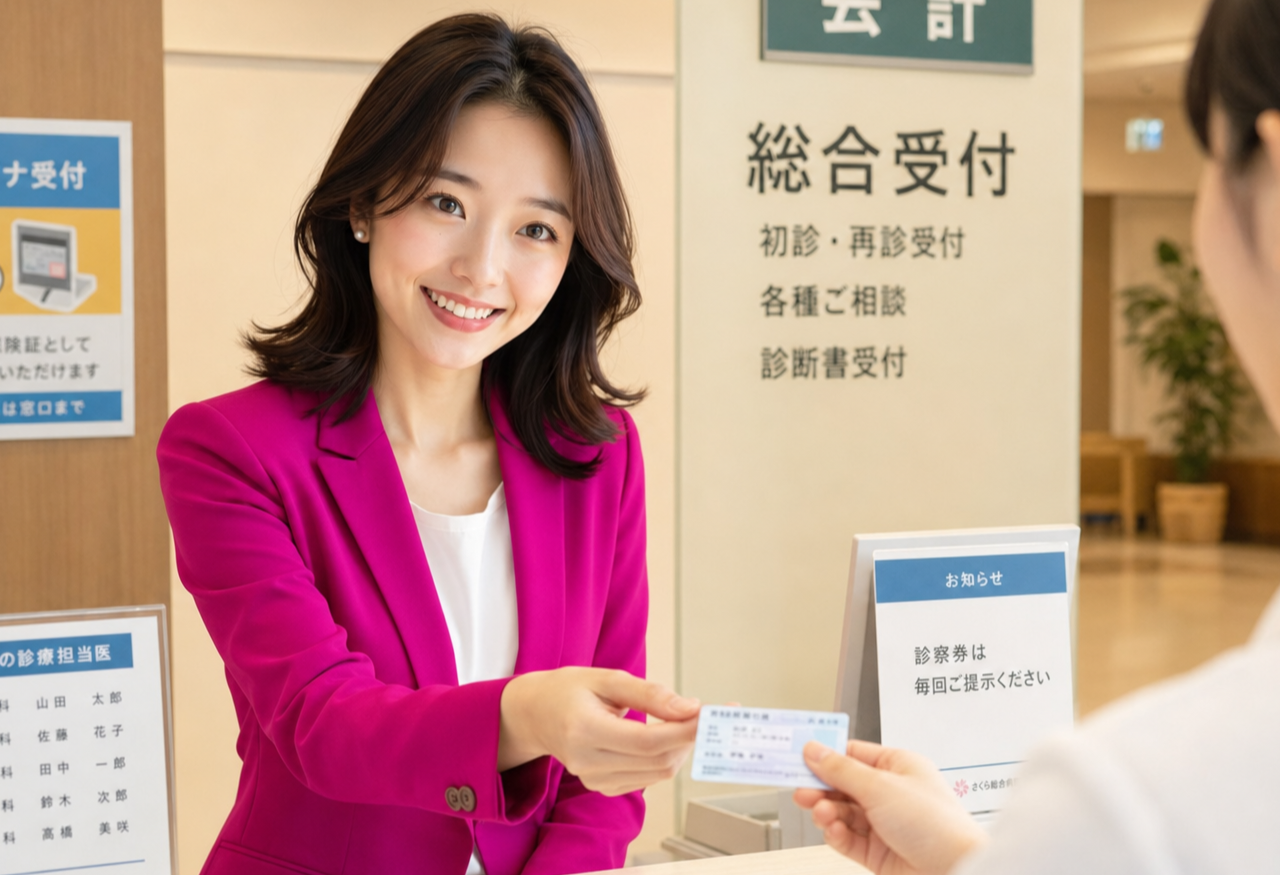
For a planned stay, the hospital gives you an admission date and time, and you check in at the admission or reception desk (nyuin uketsuke) rather than the usual outpatient window. You'll show your health insurance card and residence card, hand over any referral or pre-admission forms, and a nurse then guides you to your ward and bed. For a sudden admission through the emergency route, the paperwork often follows after you're settled, and a family member can help complete it.
During check-in you'll typically confirm your room type preference, any allergies, current medicines, and an emergency contact. Bring a list of the medications you already take, ideally with the original packaging or your medicine notebook (okusuri techo), so the team has an accurate picture from the start.
Paperwork and the guarantor form
Most hospitals ask for a signed admission agreement and a guarantor form (nyuin hoshonin). The guarantor is usually a family member or a close, reliable contact who agrees to be reached about your care and billing if needed. Ask the desk what they'll accept, some hospitals are flexible about who can sign, and a few offer alternatives if you don't have a local guarantor.
You may also be asked whether you want a private or shared room, and to note any preferences about being contacted. Read each form at your own pace, ask staff to explain anything unclear, and keep the copies they give you, they'll matter at discharge and for insurance.
What to pack
A simple bag covers most stays: your insurance and residence cards, medicine list, a few changes of comfortable clothing, indoor slippers, a towel, and basic toiletries. Add a phone and charger, a small amount of cash and coins for the ward laundry or vending machines, and any everyday items like glasses or a hairbrush. Many hospitals also sell a rental set of pajamas, towels and toiletries, so you can travel light if you prefer.
Label anything you'd hate to lose, and leave valuables and large sums of cash at home. If you use a specific device, brace, or dietary item, mention it in advance so the ward can plan around it.
Meals, rooms and daily rhythm
Hospital meals are provided on a set schedule and are often adjusted to your treatment, so tell staff early about allergies or foods you can't eat. Rooms range from shared wards with curtains between beds to private rooms; a private room usually adds a daily room charge that your insurance may not cover, so confirm the arrangement when you choose. Wards have quiet hours, set visiting times, and rules about phones and showers, all posted or explained on arrival.
The day tends to follow a gentle routine: morning checks, meals, rounds by your doctor, and rest. If anything feels unclear or uncomfortable, press the call button, the nurses expect questions and would rather you ask.
Discharge, billing and staying reachable
When you're ready to leave, the team confirms your discharge date, any follow-up appointments, and a plan for medicines to take home. You settle the bill at the accounting window, cards are widely accepted, and keep every receipt for insurance or reimbursement. If costs are a worry, ask the admission or billing office about payment options before discharge rather than after.
One quiet thread runs through the whole stay: the phone. Admission scheduling, updates to your family, and the billing office all reach you by call, so an active Japanese number matters most exactly when you or a relative is in hospital. If you're still getting set up, you can arrange a Japanese number and data plan with just your residence card and an online eKYC check, and an eSIM can connect the same day in around fifteen minutes, no store visit needed. That way, when the ward or the billing desk calls, you simply pick up.
Related guides
Using Your My Number Card as a Health Insurance Card in Japan (Maina Hokensho)
A friendly, procedure-focused guide to using your My Number card as your health insurance card at clinics and pharmacies in Japan. #PR
Read the guide →Online Medical Consultations in Japan: How Telemedicine (Online Shinryo) Works
A warm, practical guide to online doctor consultations in Japan — what online shinryo covers, how a visit flows, and how the medicine reaches you. #PR
Read the guide →Switching Health Insurance When Your Job Changes in Japan
A calm, step-by-step guide to moving between national and employees' health insurance in Japan without a gap. #PR
Read the guide →