Getting Around by Bicycle in Japan: Buying, Registration and Bike-Share
Updated: 2026-08-26
Quick answer

Hi, I'm Miya, and helping newcomers settle in is what I do — a bicycle is one of the first things I suggest, because for short daily trips it's cheaper and faster than trains or buses. Here's the short version: buy either a new bike from a cycle shop or a used one, complete the anti-theft registration (bouhan touroku) so the police can confirm it's yours, learn a few basic road rules, and only park in marked bicycle parking. For the occasional ride, city bike-share lets you unlock a bike from an app instead of owning one.
Buying a bike: new or second-hand
The everyday bike you'll see everywhere is the 'mama-chari' — a sturdy city bike with a basket, a chain guard, and often a built-in lock and dynamo light. A basic new one is very affordable, and cycle shops will assemble it, register it, and handle repairs later, which is why I usually steer first-timers toward buying new from a proper shop.
Second-hand bikes are cheaper still — you'll find them at recycle shops, flea-market apps, and community boards. If you buy used, make sure the seller transfers the registration to your name and gives you a receipt or proof of transfer; otherwise the old anti-theft record still points to someone else, which can cause problems if the police ever check the bike.
Anti-theft registration (bouhan touroku)
Registering your bike for theft prevention is required by law in Japan. When you buy from a shop they'll do it on the spot for a small fee; you fill in a short form with your name, address, and the bike's frame number, and they stick a small numbered sticker on the frame. Keep the customer copy of the form somewhere safe — that slip is your proof of ownership.
This registration is how police link a found or stopped bicycle back to you. Officers do sometimes stop riders for a quick ownership check, and having your bike registered under your own name makes that a thirty-second conversation instead of a headache. If you move or buy a used bike, update or re-register it so the details match reality.
Basic road rules
In Japan a bicycle is legally a vehicle, so as a rule you ride on the road, keeping to the left side, in the same direction as cars. You may ride on the pavement only where signs allow it, and there you go slowly and give way to people on foot. Riding while holding an umbrella, looking at your phone, or wearing both earphones is prohibited, and a front light at night is required.
A few more that trip newcomers up: don't ride two people on a bike built for one (child seats are a separate, permitted case), stop and check at crossings, and never ride after drinking — the rules on cycling under the influence are strict. Helmets are strongly encouraged for adults and recommended for everyone.
Parking without getting fined
Leaving a bike wherever is convenient is the fastest way to lose it. Cities designate bicycle parking areas — around stations, shopping streets, and inside buildings — and parking outside those zones in a 'no-parking' area can get your bike tagged and then removed by the local authority. Getting it back means a trip to an impound lot and a release fee, so it's a false economy.
Look for paid bicycle parking lots near busy stations; many charge a low daily rate or offer a monthly pass, and some are automated racks you operate from a small machine. For everyday commuting, a monthly space near your station is usually well worth it.
How short-term bike-share works
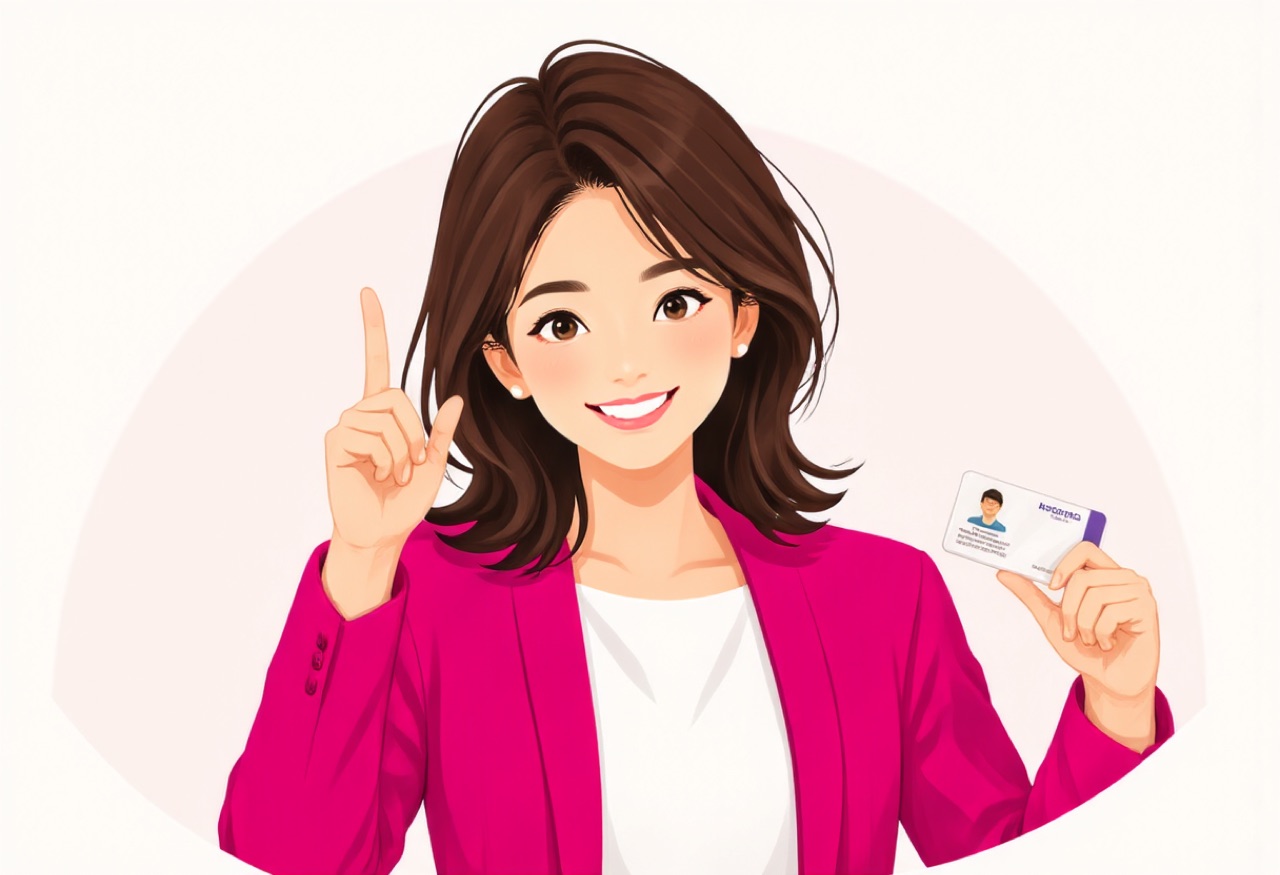
If you only ride now and then, bike-share saves you buying, registering, and parking a bike of your own. You sign up in the operator's app, add a payment method, and then pick up an electric-assist bike from a docking station called a 'port'. You unlock it by scanning a code or tapping your phone, ride, and return it to any port in the network — you're billed by the minute or with a day pass.
Because ports are scattered across the city, the app is also your map: you check which port has bikes free, reserve one for a few minutes, and find a spot to return it near your destination. It's ideal for one-way trips and for testing whether cycling suits your routine before you commit to owning.
A connected phone comes first
Here's the thread running through all of this: bike-share apps register and verify with a Japanese phone number, and you rely on mobile data to open the map, unlock a bike, and pay on the go — so getting a Japanese number and a data plan sorted is really step one. It's the same phone you'll use to buy a used bike through a flea-market app or to look up the nearest bicycle parking.
When you set that up, the option I point newcomers to is Rakuten Mobile: you can sign up with just your residence card, and if your phone supports eSIM you're often connected the same day in about 5–10 minutes. It's one simple plan with unlimited data, and domestic calls are free through the Rakuten Link app — enough to get you riding and navigating from day one.
Related guides
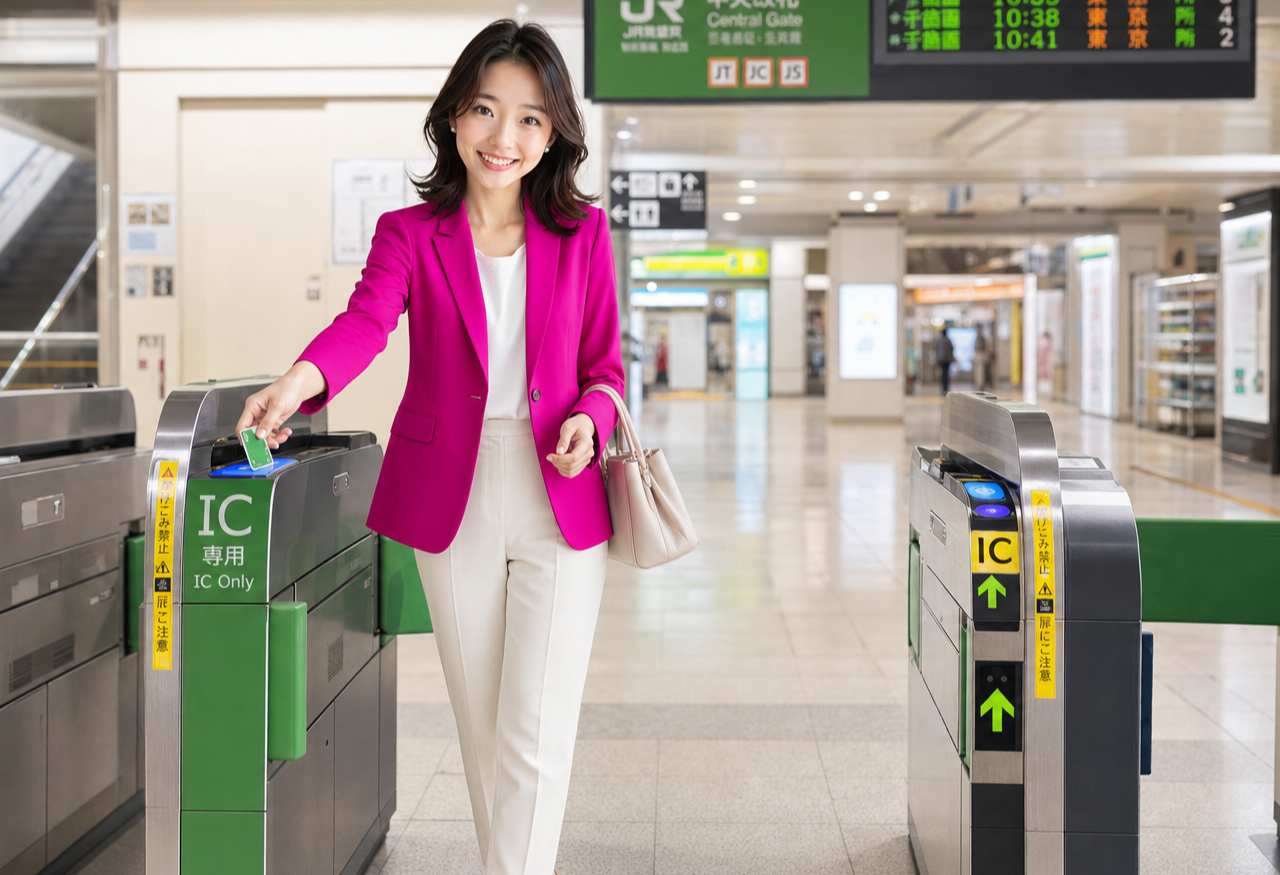
Trains and IC Cards in Japan: A Beginner's Guide (2026)
How to ride trains, buy and use an IC card, and put one in your phone — the newcomer basics that make getting around Japan effortless. #PR
Read the guide →
Where to Park Your Bicycle in Japan (and How to Get It Back If It's Taken)
Bicycle parking in Japan: station no-parking zones, daily and monthly lots, and getting a removed bike back. #PR
Read the guide →Driving in Japan: Road Rules and Signs a New Resident Should Know First
Keep left, stop at every railway crossing, share narrow streets, read the signs, and park in a lot — the driving habits to learn first. #PR
Read the guide →