Choosing a Regular Family Doctor in Japan: The Kakaritsuke-i and Why It Helps
Updated: 2026-09-13
Quick answer
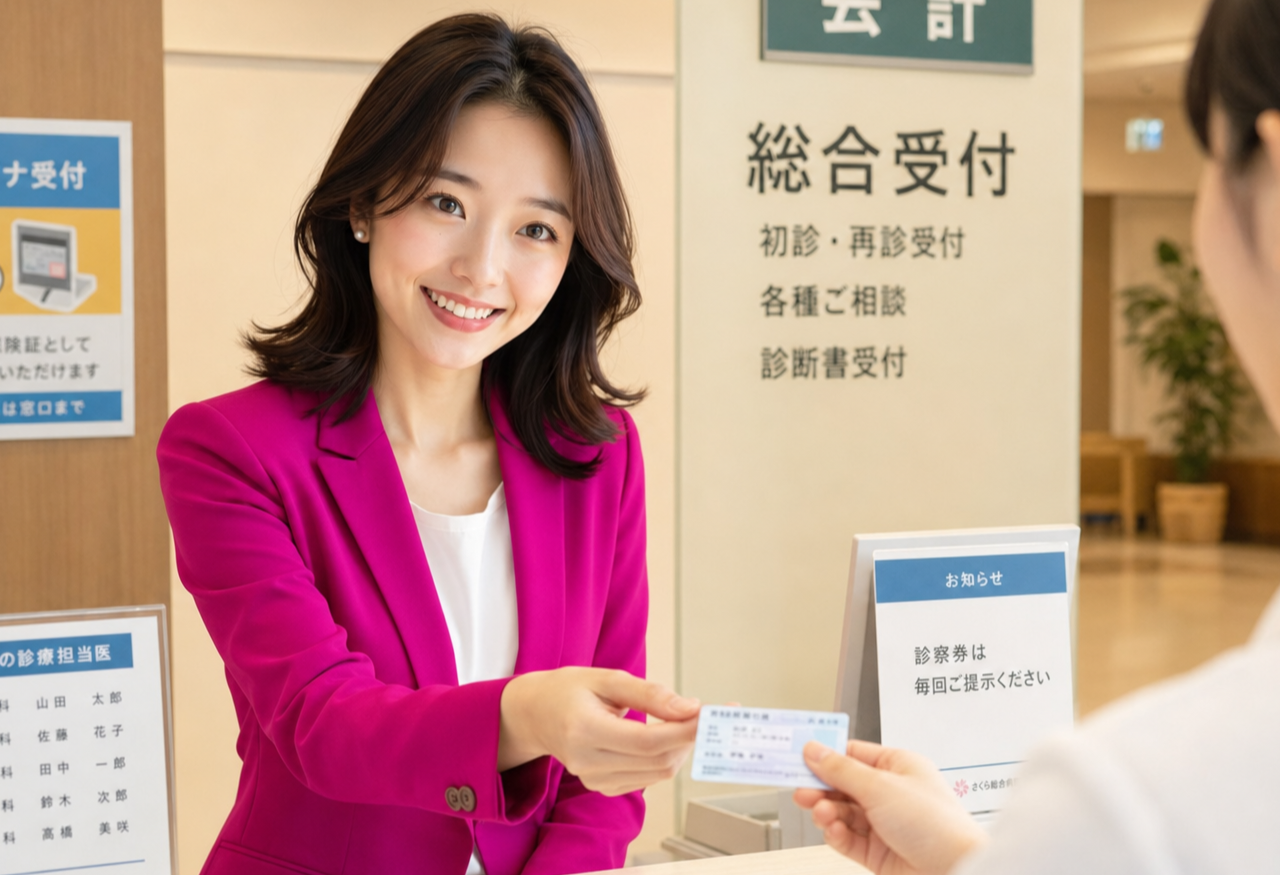
Hi, I'm Miya. One of the kindest things you can do for yourself after moving to Japan is to pick one regular local doctor — a kakaritsuke-i — before you actually get sick. It's a family doctor near your home who gradually gets to know you, keeps track of your history, and becomes your first stop when something feels off. Nothing about this is urgent or complicated; you just choose a neighbourhood clinic and start going back to the same place. Below I'll walk you through what it is, why the system quietly rewards it, and how to find one you trust.
What a kakaritsuke-i is — and how it differs from clinic-hopping
A kakaritsuke-i is simply your go-to doctor: usually a nearby general or internal-medicine clinic you return to for everyday things — colds, aches, checkups, ongoing conditions, and the small worries that are hard to name. The word means something like 'the doctor I'm attached to,' and that's the whole idea. Rather than picking a different place each time based on whoever is closest that day, you build a relationship with one clinic that starts to know your body and your background.
That continuity is the difference. When you walk into a new clinic every time, each doctor is meeting you cold and starting from zero. When you have a kakaritsuke-i, they already know your past illnesses, your medications, and what 'normal' looks like for you — so they can spot changes faster and give advice that fits your actual life. Japan's health system is set up to encourage this kind of first-port-of-call relationship, which is part of why so many longtime residents settle on one clinic early.
They hold your history and your medication record
A big part of what makes a regular doctor useful is memory — theirs and yours together. Over a few visits, your kakaritsuke-i builds up a picture of your health: past conditions, allergies, test results, and how you responded to treatments before. That means you don't have to re-explain your whole story each time, and they can make safer, more personal decisions because they have context.
This works best when you also keep your own お薬手帳 (okusuri-techo), the little medication record book pharmacies stamp with every prescription — many people now keep a digital version too. Bring it to appointments so your doctor and pharmacist can see everything you're taking and avoid combinations that don't mix well. I'm not giving medical advice here, so let your clinic and pharmacist guide the specifics — but keeping that record consistent is one of the simplest habits that pays off later.
Referrals to bigger hospitals, and repeat prescriptions
Your kakaritsuke-i is also your gateway to the rest of the system. If something needs a specialist or a larger hospital, they write you a referral letter (shokai-jo) that hands over your history so the next doctor starts informed rather than blank. Japan's setup generally expects you to go through this route for non-emergencies, and having a regular doctor who knows you makes that hand-off smooth. I won't get into the fee mechanics here — your clinic can explain how referrals work in practice.
The same relationship makes ongoing care much easier. For chronic conditions — things like blood pressure, allergies, or anything needing regular monitoring — a doctor who follows you over time can adjust treatment sensibly and arrange repeat prescriptions on a rhythm that suits you. Instead of re-starting the conversation with a stranger each season, you get steady, familiar management. For anything specific about your own condition or medication, always follow your doctor's and official guidance.
Finding one near home, and settling on someone you trust
Start close to where you live — a kakaritsuke-i is most useful when it's an easy walk or short trip, so you actually go. Look for a neighbourhood internal-medicine (naika) clinic, which handles the broadest range of everyday concerns and can point you onward when needed. Your city or ward office is a genuinely helpful resource: many publish clinic listings and local health information, and some can tell you which places have staff who speak English or other languages. It's completely fine to call ahead and ask what languages they support before you go.
Then give it a little time. On your first couple of visits, notice how they explain things, whether you feel listened to, and how comfortable the reception and pharmacy nearby feel. You're allowed to try one and switch if it isn't the right fit — settling on a doctor you trust matters more than getting it perfect on day one. Once you've found the place that feels right, keep going back; that's what turns a clinic into your kakaritsuke-i.
Get connected first, then it all runs by phone
Here's the practical thread tying this together: almost every step happens on your phone. Searching for a nearby clinic, reading ward health pages, checking opening hours, booking an appointment, and managing repeat visits or prescriptions through a clinic's phone line or app — all of it needs a Japanese number and mobile data. Trying to sort out a doctor while hunting for cafe wifi is exactly the stress I'd love you to skip.
So I get newcomers connected early. With Rakuten Mobile you can apply with just your residence card, and if your phone supports eSIM you can often be set up in about 15 minutes without visiting a store. Check the official page for current conditions before you apply, and I'll help with the mobile part — then finding a clinic near home and keeping in touch with your kakaritsuke-i becomes something you handle from your pocket.
Related guides

Children's Lessons in Japan: Swimming, Piano, Soroban and the Narai-goto Habit
Swimming, piano, soroban: how Japan's weekly narai-goto lesson culture works, and how newcomer parents can join in. #PR
Read the guide →
Inviting Your Family to Visit Japan: Invitation Letters and Guarantor Documents
Inviting family to Japan: whether a visa is needed, the invitation letter, schedule of stay, and guarantor documents. #PR
Read the guide →
Applying to Graduate School in Japan: Research Students, Supervisors and Entrance Exams
How graduate admission works in Japan: contacting a supervisor first, the research plan, the kenkyusei stage, exams and realistic timelines. #PR
Read the guide →