Climbing Mount Fuji as a Newcomer: Season, Trails, Rules and Preparation
Updated: 2026-09-16
Quick answer
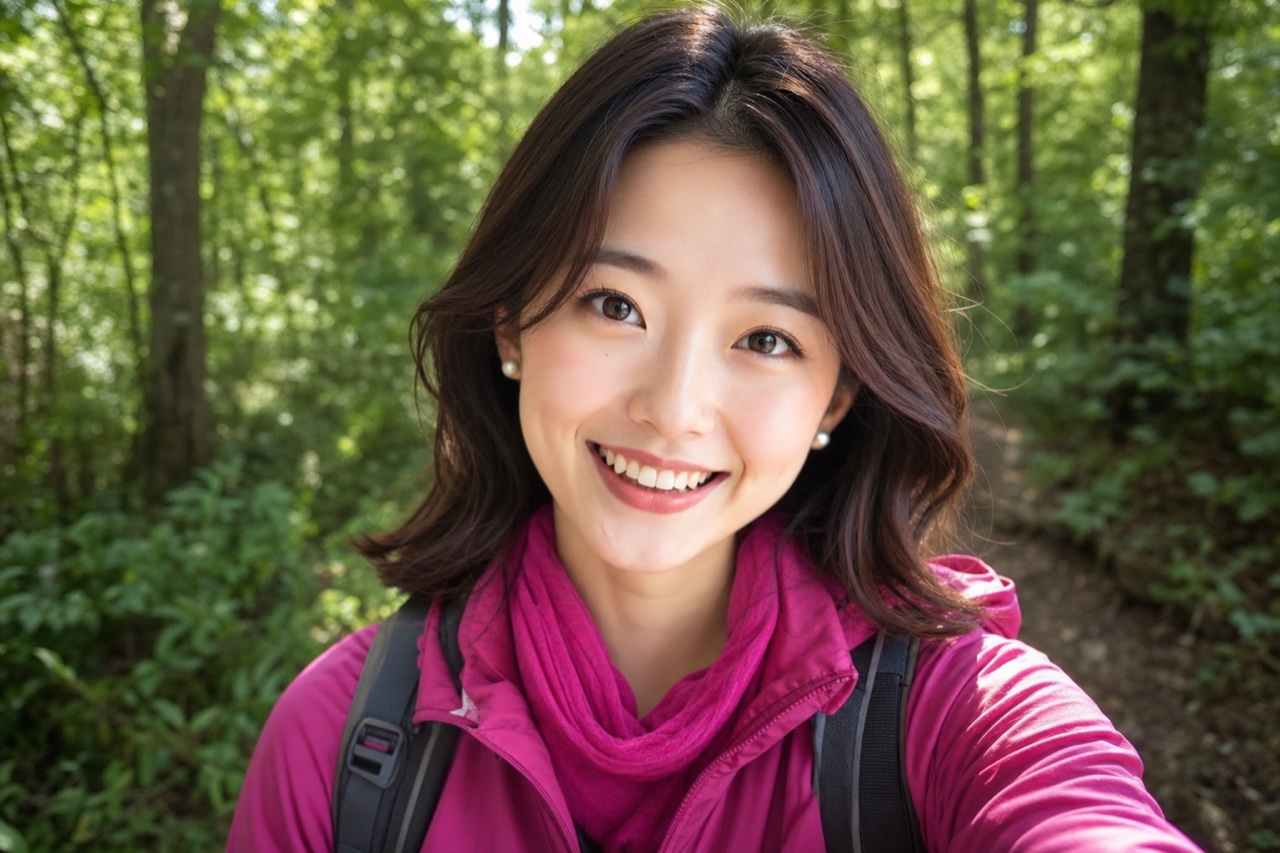
Hi, I'm Miya, and I help newcomers settle into life in Japan. This guide is for anyone planning a first climb of Mount Fuji — not an easy day hike, but a proper high-mountain outing to the top of Japan's tallest peak at 3,776 metres. It's an orientation to help you plan, and the rules around the climb change from year to year, so please treat the details as a starting point rather than the final word.
The short version: climb during the summer season, when the trails and mountain huts are open. Choose your trail with care — many first-timers pick the Yoshida Trail. Check the current entry rules, registration and fees on the prefecture's own Mount Fuji climbing website before you go. Book a hut so you can rest on the way up instead of rushing, and pack for real cold at the summit, even in midsummer.
When you can climb: the summer season
Mount Fuji has a set climbing season in summer, generally running from around early or mid July to early September. The exact opening and closing dates depend on the trail and can vary from year to year, so it's worth confirming them for the trail you have in mind before you book anything else.
Outside the season, the trails aren't maintained for general climbers, mountain huts and first-aid stations are closed, and conditions can become severe very quickly. Climbing then is strongly discouraged for anyone who isn't an experienced, fully equipped mountaineer, so for a first climb, planning within the season is the sensible choice. Within it, weekends and the mid-August holiday period tend to be busiest, so weekdays can feel calmer if your schedule allows.
The four main trails and which suits a first climb
There are four main trails up Mount Fuji, each starting from its own fifth station partway up the mountain: the Yoshida, Subashiri, Gotemba and Fujinomiya trails. The Yoshida Trail starts on the Yamanashi side, while the other three start on the Shizuoka side — which matters, because the rules you need to check depend on which prefecture your trail belongs to.
The Yoshida Trail is the most popular with first-timers. It has many mountain huts along the way and is relatively easy to reach, which makes it reassuring to plan around, although it also gets crowded. The Fujinomiya Trail is generally the shortest route to the summit but fairly steep, the Subashiri Trail passes through forest in its lower section, and the Gotemba Trail is the longest, with fewer huts, so it usually suits more experienced hikers. Whichever you choose, check how to reach its fifth station, since private cars are often restricted on access roads during the season and many climbers take a bus instead.
Entry rules, registration and fees: check every year
In recent years, both Yamanashi and Shizuoka prefectures have introduced rules for climbers during the season. Depending on the trail, these can include an entry fee, advance online registration, and limits on when you may start climbing from the fifth station. The details have been adjusted from one season to the next, so what a friend did last year may not be what applies to you.
Rather than relying on memory or old posts, check the prefecture's own Mount Fuji climbing website for the current year before you go — Yamanashi's for the Yoshida Trail, and Shizuoka's for the Subashiri, Gotemba and Fujinomiya trails. Look for what you need to register or pay, how to do it, and any time rules, and keep your confirmation handy on the day.
Mountain huts, and why rushing the climb is discouraged
Mountain huts along the trails offer a simple place to eat and rest, and many climbers stay the night partway up, then set off again very early to reach the summit around sunrise. Huts are basic and shared, and they usually need to be booked in advance, especially on busy dates. Check each hut's own booking and cancellation rules when you reserve.
What's discouraged is so-called bullet climbing — going straight up overnight without sleeping or resting, often to catch the sunrise. Pushing on while tired, in the dark and in the cold makes accidents and altitude sickness much more likely. Spending some time at the fifth station to get used to the altitude, then climbing at an easy pace with a proper rest at a hut, is kinder to your body and makes the whole experience far more enjoyable.
Altitude sickness, cold and weather at the top
Altitude sickness can affect anyone, however fit they are. Headaches, nausea, dizziness and unusual tiredness are common early signs. Climb slowly, drink water regularly and take plenty of breaks. If symptoms appear, stop and rest, and if they don't improve or they get worse, head back down — descending is usually the most effective remedy, and turning back is always a sound decision.
The summit is far colder than the foot of the mountain. Even when it's hot below, temperatures near the top can drop close to freezing, especially before dawn, and strong wind makes it feel colder still. The weather can also change quickly, bringing rain, fog or thunderstorms. Check the forecast before you set out and again on the day, and be ready to change your plans if conditions look poor.
What to pack for your first climb
Good footwear comes first: sturdy hiking boots that support your ankles, since the trails include loose volcanic gravel and rocky stretches. Add proper rain gear with both a jacket and trousers, warm layers such as a fleece and a light down jacket, a hat, gloves, and a headlamp with spare batteries if you'll be walking in the dark.
Bring enough water and some easy snacks, sun protection for the strong high-altitude sun, and a small first-aid kit with any medicine you take. Some cash is handy, as mountain huts and toilets along the trails often expect it. Pack a rubbish bag too, since you'll generally carry your trash back down with you, and use a backpack with a rain cover to keep everything dry.
Before you set off: a charged phone and a Japanese number
A lot of Fuji planning now happens on your phone. Registering for your trail, checking the weather forecast, booking buses and mountain huts, and staying in touch with your group all tend to be phone-based, and some bookings ask for a Japanese phone number. So having a Japanese number with data in place well before the trip makes preparation much smoother. Setting it up is refreshingly simple — you apply online with your residence card, verify with a quick eKYC, and eSIM-capable phones can connect the same day, often within about fifteen minutes.
On the day, carry your phone fully charged along with a battery pack, as cold weather can drain batteries faster than you'd expect. Have a look at our setup guide for eligibility and the step-by-step, and confirm current terms on the page before you apply. Plan well, climb slowly, and enjoy the view from the top. I'll be right here to help.
Related guides

Applying to a Japanese University as an International Student: Routes and Timeline
The main ways into a Japanese university: EJU and school exams, English-taught degrees, the language-school path, and a timeline. #PR
Read the guide →
Arriving in Japan on a Specified Skilled Worker Visa: Your First Weeks and Who Helps
Your first weeks on Specified Skilled Worker status: what your employer and support organisation do, and which steps are yours. #PR
Read the guide →Changing From a Student Visa to a Work Visa in Japan After Graduation
Graduating with a job offer? How the change of status works, matching the job to your studies, documents and timing. #PR
Read the guide →