Finding English-Speaking Medical Care in Japan
Updated: 2026-08-26
Quick answer
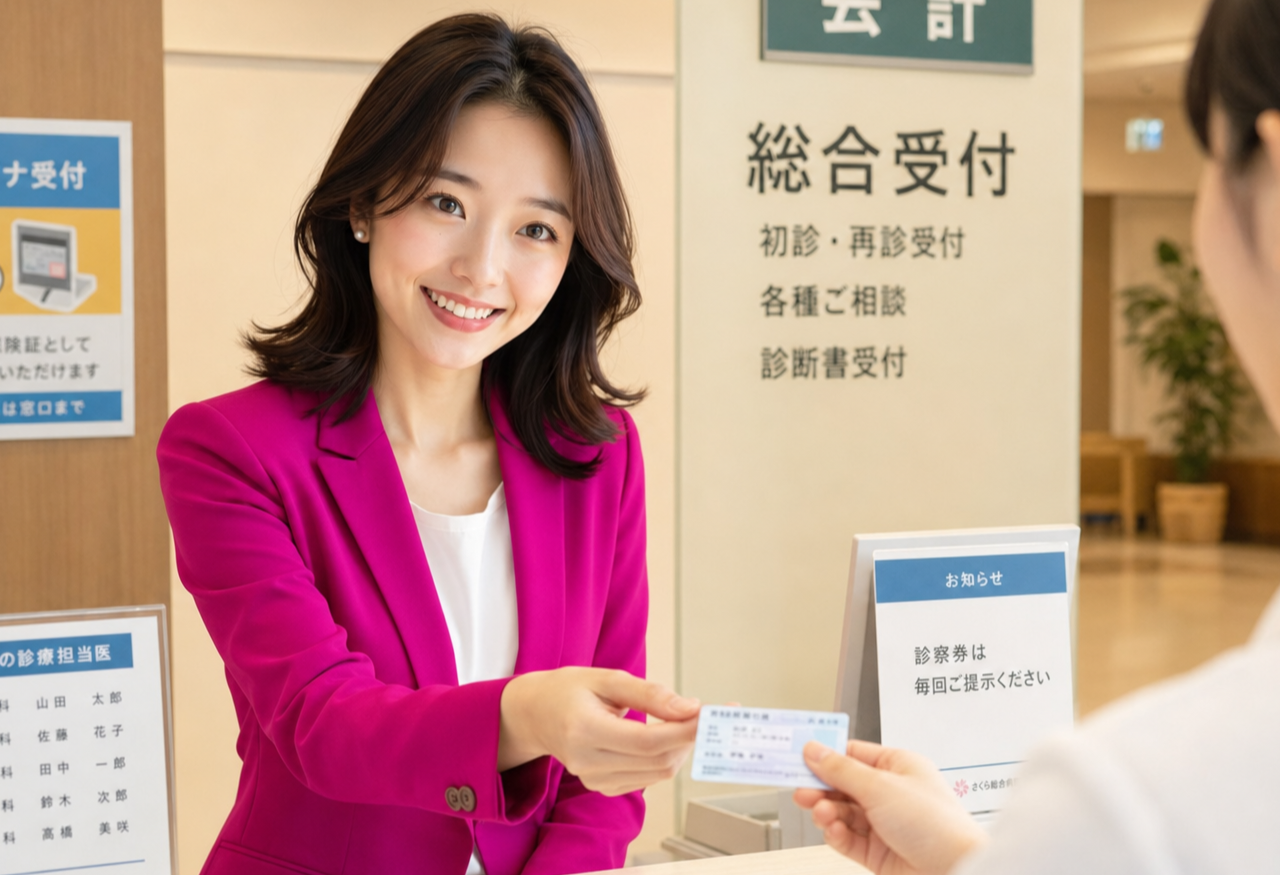
Getting care in English in Japan is more possible than it feels when you are anxious and unwell. For everyday symptoms, start with a small clinic; for something serious or unclear, a larger hospital is the safer choice. And you are not on your own when it comes to language: many prefectures and cities run multilingual medical information services that help you find a clinic where someone can help in English, and separate medical-interpretation lines can join your appointment by phone.
This guide walks through how those services work, when to pick a clinic versus a hospital, and what to carry with you. It is not medical advice, and I will never rank hospitals for you. The goal is simply to help you take the first step calmly.
Multilingual medical information services
Many prefectures and larger cities run free multilingual medical information services for residents and visitors. Depending on the area, you can call, email, or use a website to ask which nearby clinics or hospitals accept patients in English (and often other languages), and what their hours are. Some services also explain how the Japanese medical system works, so you know what to expect before you go.
These services usually will not diagnose you, but they are wonderful for the hardest part: finding the right door to knock on. If you are unsure whether your city offers one, your local international association or city hall's foreign-resident desk can point you to it.
Medical-interpretation phone lines
Separate from the information services, some regions and hospitals offer medical interpretation: a professional interpreter joins your visit, often by phone or video, to relay what you and the doctor are saying. This is different from a friend translating, because medical interpreters are used to symptoms, medications, and consent, and they help nothing important gets lost.
Availability and languages vary by area, and some services need to be booked in advance while others can be reached on the spot. When you call a multilingual information service, it is worth asking whether interpretation can be arranged for the clinic you choose.
Choosing a clinic or a hospital
For familiar, everyday issues such as a cold, a mild stomach upset, a skin rash, or a small injury, a neighborhood clinic is usually the right first stop. Clinics are quicker, cheaper, and can refer you onward if needed. Look for the relevant department on the sign or website, such as internal medicine, pediatrics, or dermatology.
Choose a hospital when symptoms are severe, when you are unsure what is wrong, or when a clinic asks you to go for tests or specialist care. Note that many large hospitals prefer a referral letter from a clinic first, and going straight to a hospital without one can mean an extra fee and a longer wait. When it is a true emergency, that rule does not apply.
What to bring and prepare
Bring your health insurance card if you have one, along with a photo ID and your residence card. If you take regular medication, bring the packaging or a note of the names and doses, since brand names differ in Japan. A record of any allergies is also good to have written down.
Prepare a few key phrases in Japanese and keep a translation app ready on your phone; typing symptoms and pointing at the screen works well when words fail. Writing down when the symptoms started, where it hurts, and how it feels helps the doctor even through an interpreter.
Emergencies and after-hours help
In a life-threatening emergency, call 119 for an ambulance and fire service. It is fine to start in simple English or ask for interpretation; try to give your address and a nearby landmark, and stay on the line. Some areas also run emergency medical hotlines that help you decide whether your situation needs an ambulance or can wait for a clinic in the morning.
For nights and holidays, many cities publish lists of clinics on emergency duty, and multilingual information services can help you find one that is open. Knowing this in advance takes a lot of the panic out of the moment.
Feeling more at ease before you ever need it
You do not have to memorize any of this. Save your city's multilingual medical information contact now, keep your insurance and residence cards somewhere easy to grab, and put a translation app on your home screen. Small steps today mean that on a bad day you already know where to start.
Being unwell in a new country is hard, but Japan has more support in your language than it first appears. Take it one call, one clinic, one step at a time, and you will get looked after.
Why a Japanese number and data matter when you are unwell
Almost everything above happens through a phone: you dial a multilingual information line, you call 119, you book an appointment online, and an interpreter joins by voice or video. For all of that to work smoothly, a reliable Japanese phone number and data connection quietly make the difference, especially at the moment you least want to be fiddling with settings.
If you are still setting up your line, Rakuten Mobile is a straightforward option for residents: you can sign up with your residence card, and an eSIM is often ready in about 5 to 10 minutes on the same day. There is one simple unlimited plan, and domestic calls are free through the Rakuten Link app, so reaching a health line or a clinic does not become one more thing to worry about.
Related guides
Using Your My Number Card as a Health Insurance Card in Japan (Maina Hokensho)
A friendly, procedure-focused guide to using your My Number card as your health insurance card at clinics and pharmacies in Japan. #PR
Read the guide →Online Medical Consultations in Japan: How Telemedicine (Online Shinryo) Works
A warm, practical guide to online doctor consultations in Japan — what online shinryo covers, how a visit flows, and how the medicine reaches you. #PR
Read the guide →Switching Health Insurance When Your Job Changes in Japan
A calm, step-by-step guide to moving between national and employees' health insurance in Japan without a gap. #PR
Read the guide →