Finding Hair and Skincare Products That Work for You in Japan
Updated: 2026-09-22
Quick answer
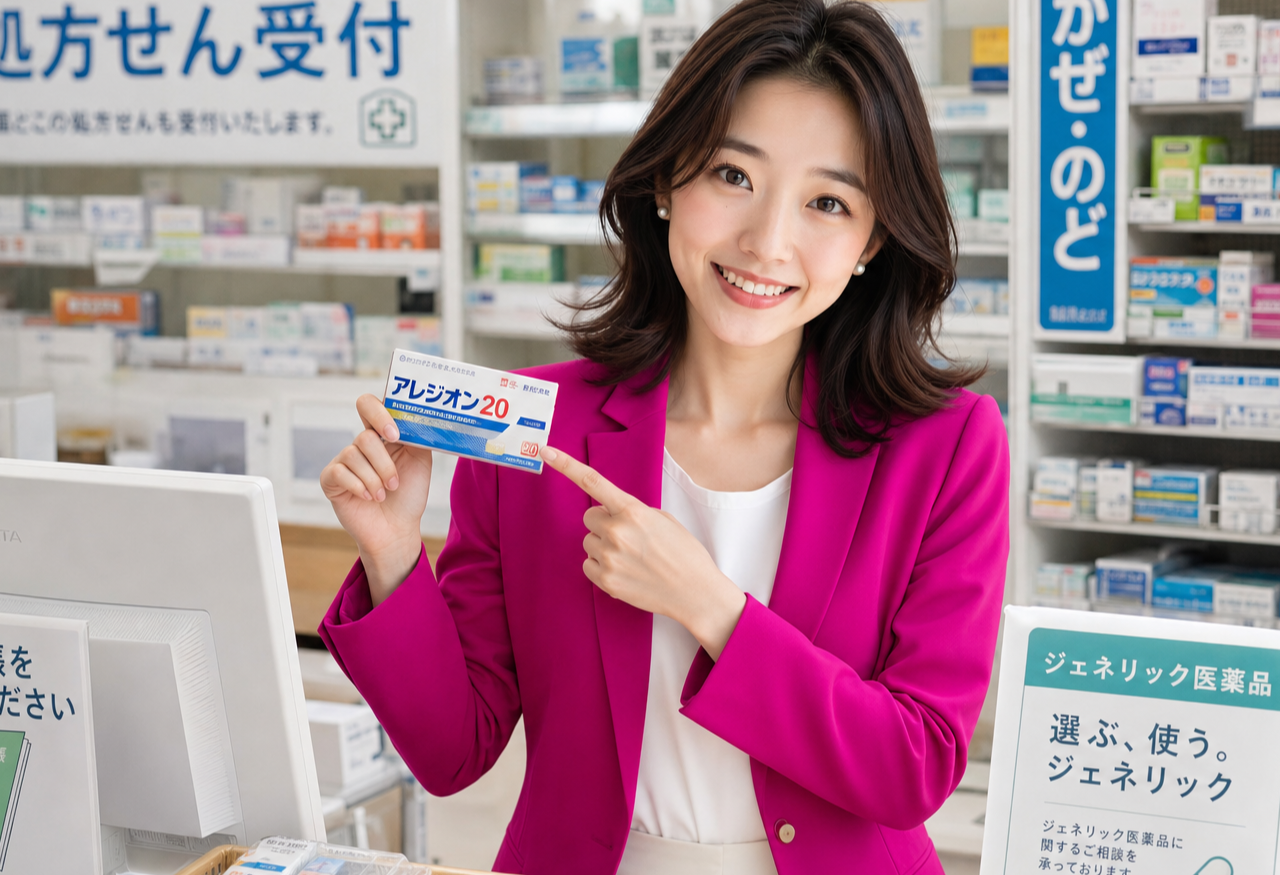
Hi, I'm Miya, and I help newcomers settle into life in Japan. A drugstore aisle here is long, tidy and full of choice, but it's arranged around what most shoppers nearby are reaching for, so the thing your hair or skin actually wants may not be sitting at eye level. The way through is less about hunting and more about reading: learn the handful of Japanese words that tell you what a product is for, buy locally whatever genuinely suits you, and source the rest from international grocers, specialist online shops, or an order from home.
Reading a label that's entirely in Japanese
Start with the category words, because they do most of the work. シャンプー is shampoo, and コンディショナー or トリートメント is what follows it; 洗い流さない means leave-in, so a bottle marked that way stays in your hair. On the skincare side, 化粧水 is the watery lotion that goes on first, 乳液 is the milky emulsion that follows, クリーム is the richer cream, and 美容液 is a serum. 日焼け止め is sunscreen. Recognise those few, and half the aisle stops being a wall of characters.
Then look for the qualifier words printed small near the product name. 無香料 means fragrance-free and 無着色 means no added colourant. 敏感肌用 marks something formulated for sensitive skin, and 低刺激 signals a gentler formulation. 詰め替え is a refill pouch, which only makes sense once you own the bottle it goes into, and 大容量 is the large size. Point a translation app at the back of the pack and it will read the ingredient list too, which is how most people I know shop for their first few months.
Textured and curly hair: where people look
Mainstream shelves reflect the hair that is most common around them, so the aisle leans towards fine and straight types, and the butters, creams and heavier oils that coils and curls rely on are thinner on the ground. That's simply what the local market grew up serving, and it isn't a shortcoming — but it does change your strategy. Rather than wandering the aisle hoping, you go straight to the places that already carry what your hair needs, and you stop treating the nearest shop as the whole map.
In practice, people find those things in a few reliable spots: international and halal grocers in the larger cities, which often stock hair oils and butters alongside food; specialist online shops that import and then ship domestically; and salons run by stylists who work with textured hair and sell what they use on it. Community groups for your city are worth joining too. Word of mouth about who currently stocks what travels faster than any shop listing, and someone there has usually already solved the exact problem you're holding.
Sunscreen and moisturiser conventions here
Sunscreen is a year-round staple rather than a summer purchase, and the textures tend to be light and fluid, closer to a lotion than the thick creams some of us grew up with. The front of the pack shows 日焼け止め along with SPF and PA markings, and many are designed to sit under makeup, sometimes doubling as 化粧下地, a base layer. Formulas differ a lot in how they look on deeper skin tones, so trying a little along your jawline in daylight before you commit to a full bottle saves a great deal of guesswork.
Moisturising is often layered rather than done in a single step: 化粧水 first, then 乳液, and クリーム on top if you want something heavier. If that's more steps than you want in a morning, look for オールインワン, an all-in-one that combines them. Neither approach is better than the other — it's a convention, and you're free to keep whatever routine already suits you. For anything that feels like a real skin or scalp concern rather than a shopping question, ask a pharmacist at the counter or see a dermatologist; that's exactly what they're there for.
Importing, grocers and specialist online stores
Ordering from abroad is a normal part of many people's routine here, and it works best when you plan around it instead of reacting to it. Shipping takes time, summer heat can be unkind to anything oil-based sitting in transit, and customs has its own rules about personal-use quantities — especially for medicated or pharmaceutical-type items, which are handled differently from ordinary cosmetics. Checking the current rules before you place a large order is far less painful than discovering them afterwards, and the rules are published, so it's a quick job.
The middle path most people land on is this: buy the bulky, easily replaced things locally — shampoo, body wash, sunscreen — and reserve imports for the few items that genuinely have no substitute nearby. Domestic online marketplaces carry a surprising range of imported goods as well, sold by small shops that specialise in exactly this, which spares you the customs step entirely. And when family asks what to bring over on their next visit, you'll already know precisely what to tell them.
The quiet thing that makes all of this work
Notice that almost every step above runs through your phone. You hold it up to a label to translate it, you compare what's in front of you with a listing from a specialist shop, you pay for an imported order online, and then you track it to your door. All of that assumes a Japanese number with data behind it, and an account that online stores and delivery notifications will accept — which is why I suggest sorting the line out early, rather than halfway through your first big order.
Setting it up is simpler than most people expect: you apply online with your residence card, and an eSIM-capable phone can connect the same day, often in about fifteen minutes. Have a look at our setup guide for eligibility and the step-by-step, and confirm the current terms on the page before you apply. Get that part in place and the rest — the label scanning, the ordering, the tracking — just quietly works in the background. I'll be right here if you want a hand.
Related guides

Getting Tickets in Japan: Lotteries, E-Tickets and Convenience-Store Pickup
How ticketing works in Japan: advance lotteries, paying only if you win, convenience-store pickup and app-based e-tickets. #PR
Read the guide →
Cooking in a Japanese Kitchen: One Burner, No Oven, and How People Manage
One or two burners, a grill drawer, a rice cooker and no oven — a practical guide to cooking in a small Japanese kitchen. #PR
Read the guide →
Settling in Nagoya: The Big City Newcomers Overlook
What actually differs about settling in Nagoya: a grid city, its own IC card, the Tokai economy, and multilingual desks. #PR
Read the guide →