Managing a Chronic Condition in Japan: Prescriptions, Refills and Your Medicine Notebook
Updated: 2026-09-19
Quick answer
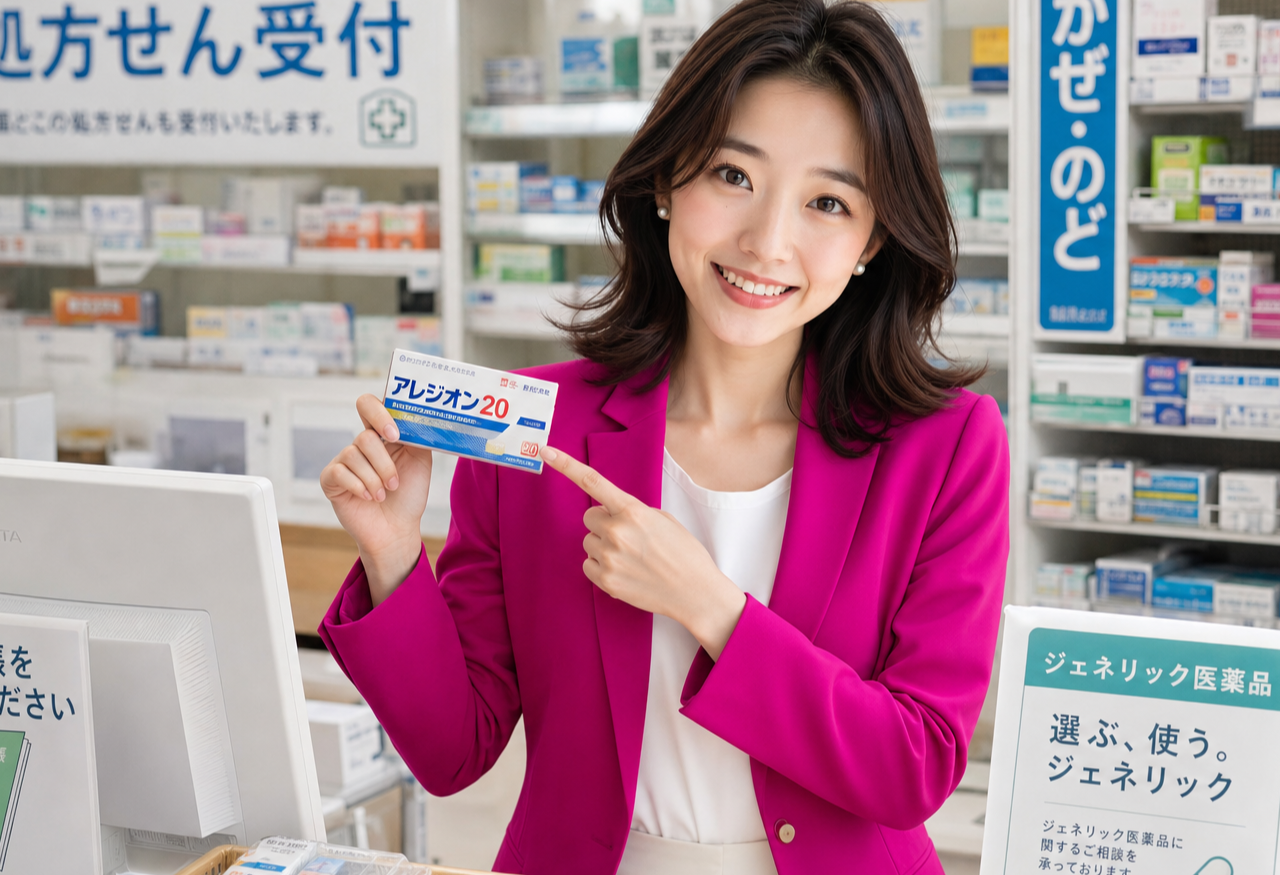
Hi, I'm Miya, and I help newcomers settle into life in Japan. If you take something regularly, the thing to understand first is that treatment here runs through two counters rather than one. You find a clinic willing to take over your care, arrive with whatever records and ingredient names you could bring from home, and the doctor writes you a prescription slip. You then carry that slip to a separate dispensing pharmacy, usually a short walk away, where a pharmacist fills it and asks for your medicine notebook. How much is written at a time is your doctor's judgement and varies, so raise travel plans early. All of this is procedure, not medical advice — your doctor and your pharmacist are the ones to ask.
What to bring from your home country
A clinic here starts from nothing unless you hand it something. Before you leave, or by email afterwards, ask your treating doctor for a written summary: the diagnosis, when treatment began, what has been tried and kept or stopped, and the results of any recent tests, with the dates and the units printed. English is workable at most clinics, so if your records exist only in another language, an English version is far more useful than the original. Keep a digital copy on your phone as well as paper, because the copy you need is always the one you left at home. None of this is a formality — it is what lets a doctor continue your care instead of starting it over.
The single most useful thing you can bring is the ingredient name of everything you take. Brand names are national. The product you have used for years may be sold here under a completely different name, or not at all, while the same active ingredient sits on a shelf under another one. Write down the generic or ingredient name and the strength exactly as printed on your packaging, photograph the box and the information leaflet, and bring that list to the first appointment. A doctor who can read the ingredient can work out what is available here; a doctor handed only a foreign brand name is left guessing, and may have to send you back to testing to start again.
Plan for the gap between arriving and being seen. Carrying a supply with you across the border has its own rules and paperwork, which is a separate subject from this one, so look those up well before you fly rather than at the airport. Once you are here, assume that the exact product may not exist in Japan and that your doctor may propose an equivalent rather than a copy. That is completely ordinary, but it is a conversation to have early, at the first appointment, rather than in the month you start running low.
Finding a clinic that will take over
For an ongoing condition, the place you usually want is a small neighbourhood clinic rather than a large hospital. Clinics are built around repeat patients, the same doctor sees you each time, and you can generally be seen without an introduction. Large hospitals work the other way: many ask for a referral letter from a clinic, and if you arrive without one they add a separate charge on top of the normal fees, at an amount the hospital itself sets. Internal medicine — naika on the sign, often with English alongside it — is the usual door for a great many long-term conditions, and the clinic will refer you upward if your case needs a specialist department.
Take your health insurance card, your records, and your list of ingredient names to the first visit, and expect to fill in a new-patient form listing your conditions, allergies, and everything you currently take. Say plainly, at the reception desk and again to the doctor, that you are already under treatment and are looking for somewhere to continue it. That one sentence changes the shape of the appointment: it signals continuity of care rather than a new complaint, and it prompts the questions that actually matter — what you take, how long you have taken it, and what your most recent test results showed.
Do not be surprised if the first prescription is shorter than you are used to. A doctor meeting you for the first time will often want blood work or a repeat reading before settling into a longer rhythm, and a short first run is how that gets done. Once things look steady, the intervals usually lengthen. It is also worth asking directly, at that first visit, whether the clinic is happy to manage your condition long term or would rather hand it to a hospital department. Knowing that in your first month is far easier than discovering it later.
The prescription slip, and why the clinic has no medicine
Most clinics in Japan do not hand you medicine at all. Prescribing and dispensing are deliberately separated, so what you leave with, after settling the consultation fee at the clinic's own counter, is a printed prescription slip — a shohosen. The medicine itself comes from a pharmacy, and you pay for it there, separately. Newcomers routinely walk out of a clinic, get home, and only then realise the paper in their bag is not a receipt. Check what you have been given before you leave the building, and ask reception where the nearest dispensing pharmacy is if it is not obvious from the street.
The slip does not stay valid indefinitely. It carries a short validity window counted from the day it was issued, and the rule is printed on the slip itself. Let it lapse and the pharmacy cannot fill it, which means going back to the clinic and paying for another appointment. The practical habit is simply to walk to the pharmacy the same day. If you genuinely cannot, ask at the clinic counter what your options are before you leave, rather than working it out from the paper afterwards.
Some slips are written to be used more than once. For patients whose condition is settled, a doctor may issue a repeat-type prescription with a box ticked on the form, letting the pharmacy dispense it again at set intervals without a fresh appointment each time; the limits are printed there, and the pharmacist will tell you when you next need to see the doctor. Whether that suits your case is entirely your doctor's call, so ask. Until then, keep the slip flat and unmarked — it is the document the pharmacy works from, not a note.
The dispensing pharmacy step
Dispensing pharmacies cluster around clinics, often directly across the street, and the nearest one is the convenient default — but the slip is not tied to it. You can take it to any pharmacy that dispenses prescriptions, including one near your home or your usual station, which is worth knowing when the clinic is far away. Hand over the slip, your insurance card, and your medicine notebook together at the counter. The first time you use a particular pharmacy you will fill in a questionnaire about allergies, other medicines you take, and anything else relevant; then you sit down and wait for your name or number to be called.
The handover is not just a bag passed across a counter. A pharmacist will go through what you have been given and when to take it, and will often ask how the last stretch went. This is the moment to ask anything you did not ask the doctor — it is exactly the pharmacist's job, and they are usually generous with their time. If you are not confident in Japanese, write your questions down beforehand or type them into a translation app. Many pharmacies can print your instructions in English, and it is worth asking whether yours does.
Stock is the thing to plan around. A less common medicine may not be sitting on the shelf, in which case the pharmacy orders it and asks you to come back, usually the next business day, or dispenses part of it now and the rest when it arrives. Pharmacy hours are also their own thing and can close earlier than you expect, so a late-afternoon appointment can leave you holding a slip in front of a shut door. Using one pharmacy consistently — a kakaritsuke pharmacy, in the local phrase — means they know your history, keep your stock in mind, and notice when two doctors have prescribed around each other.
The medicine notebook, and generic substitution
The okusuri techo, or medicine notebook, is a small booklet the pharmacy gives you and adds a printed label to every time you collect something. It looks like an administrative nicety and it is not. Your clinic doctor sees only their own prescriptions; the dentist, the dermatologist, and the clinic you visited once while travelling each see only theirs. The notebook is the single place where everything you take sits side by side, which is how a pharmacist spots an interaction or a duplication that nobody else was positioned to see. That is why they ask for it every single time. Bring it, and say yes when they do.
Keep it with your insurance card rather than in a drawer. If you are ever taken to a hospital that does not know you, or you end up evacuated during a disaster, that booklet answers the question staff need answered first. Digital versions are increasingly common too: the pharmacy displays a code for you to scan into an app, and your history builds up on your phone instead of on paper. The apps differ, so ask at the counter which one your pharmacy supports, and consider keeping the paper booklet going in parallel until the setup feels familiar.
You will also be asked about generics — kohatsu iyakuhin, usually just called generic at the counter. If your doctor's slip permits substitution, the pharmacist offers a version with the same active ingredient made by a different manufacturer, and the choice is yours. Tell them plainly which you prefer; if you want to stay on exactly what you have been taking, say so and they will note it. One practical point: tablets from different makers can differ in colour, shape, and packaging even when the ingredient is identical, which is another reason to know your medicines by ingredient name rather than by how they look.
Repeat visits, travel, and the line that holds it together
How much a doctor writes at a time varies — by condition, by how settled you are, by their own judgement — so there is no universal figure to quote you, and the only reliable answer is the one your own doctor gives. Ask directly rather than assuming, and ask again before you travel. Count backwards from your departure date, book the appointment with room to spare instead of the week before, and tell the doctor how long you will be away and where. Ask what to do if you run short while abroad, carry what you take in your hand luggage in its original packaging with the notebook alongside, and check the rules of the country you are entering.
Almost all of this now runs through your phone. Clinics take repeat appointments through their own reservation pages and send you a queue number so you know when to leave the house; pharmacies message you when an ordered medicine has arrived; some let you send the prescription slip ahead so it is ready when you walk in; and the medicine notebook itself is steadily moving into apps. Every one of those systems registers you against a Japanese mobile number, and that is the field that stops people at sign-up. Sorting it out is simpler than it sounds: you apply online with your residence card, and eSIM-capable phones can often connect the same day, typically in about fifteen minutes.
Have a look at our setup guide for eligibility and the step-by-step, and confirm current terms on the page before you apply. With a number in place, the chain holds: the appointment reminder arrives, the pharmacy tells you the order is in, and your notebook travels with you in your pocket. Everything above is about how the system works, not about your treatment — for that, your doctor and your pharmacist are the ones to ask, every time. I'll be right here if the paperwork side gets confusing.
Related guides

Booking Your City's Gyms, Courts and Community Rooms in Japan
Japan's municipal sports centres and community rooms: user registration, the online booking system, lotteries and rates. #PR
Read the guide →
Cycling in Japan: Road Rules, Where You Can Ride, and Parking Your Bike
Cycling in Japan day to day: riding on the left, when the pavement is allowed, lights, helmets, insurance and parking. #PR
Read the guide →
Drinking in Japan: Izakaya Basics, Nomikai Etiquette and Getting Home
Drinking in Japan: how an izakaya works, the otoshi and the toast, nomikai etiquette, splitting the bill, and getting home. #PR
Read the guide →