Mental Health Support in Japan: Counselling, Clinics and Consultation Lines
Updated: 2026-08-29
Quick answer
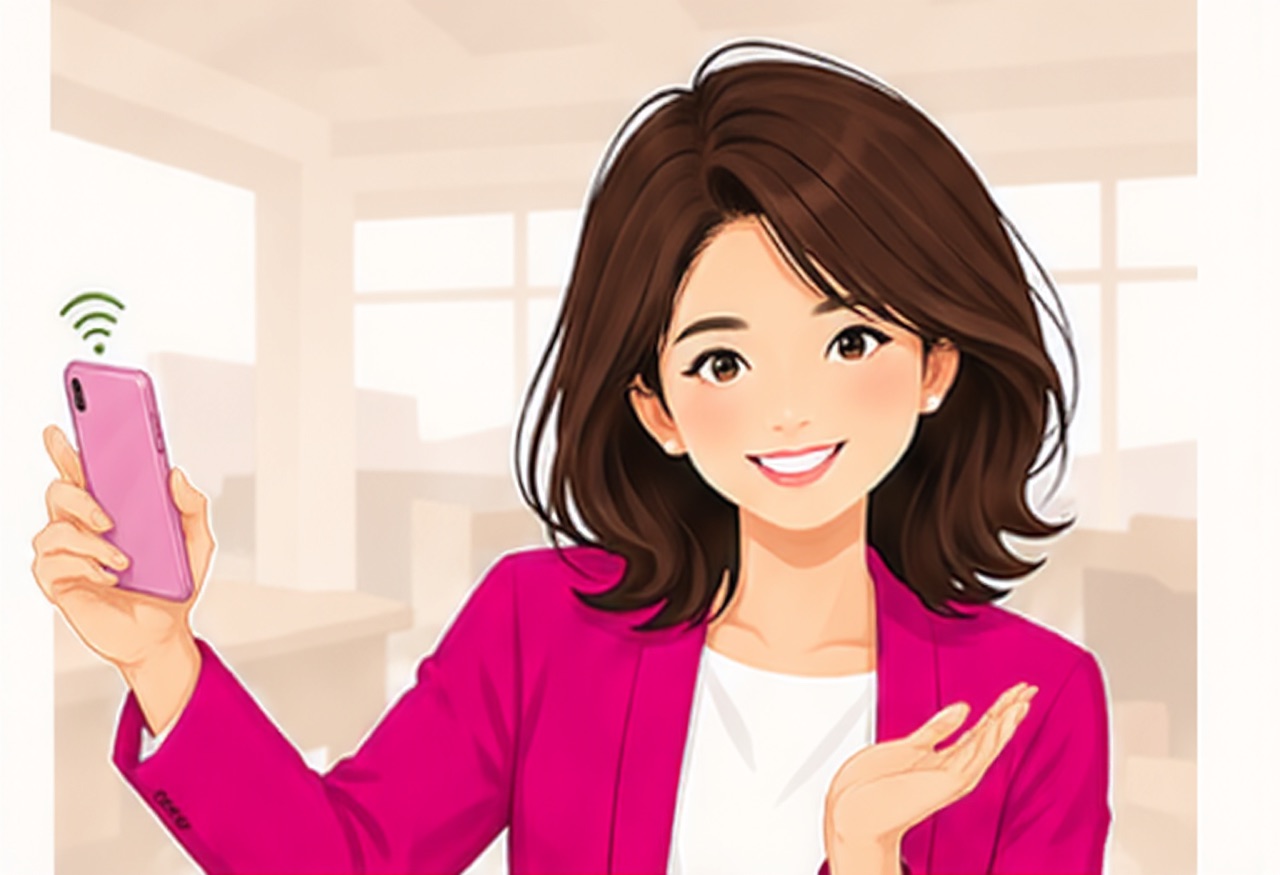
Hi, I'm Miya. If you're struggling in Japan, help is here, and asking for it is a completely normal thing to do. You have real options: a shinryo-naika or seishinka clinic, private counselling that may be available in English, and multilingual consultation lines you can phone when you just need someone to talk to.
This is a gentle overview, not medical advice. If you are in crisis or thinking about harming yourself, please reach a professional or an emergency line right now rather than reading on. The rest of this page is here for calmer moments, to help you understand your choices.
It's okay to ask for help
Moving to a new country is a lot. A new language, unfamiliar routines, distance from the people who know you best. It is very human to feel low, anxious, or worn down, and none of it means you are weak or failing.
In Japan you may hear that people keep struggles private, but attitudes are shifting and support exists for exactly this reason. Reaching out early, when things feel heavy but not yet overwhelming, often makes everything easier to carry. You do not need a dramatic reason to talk to someone.
Shinryo-naika vs seishinka: which clinic?
Two clinic types can look confusing at first. A shinryo-naika (psychosomatic medicine) clinic focuses on how stress shows up in the body and mind together: sleep trouble, fatigue, tension, mild-to-moderate anxiety or low mood. Many newcomers find these clinics approachable and less clinical-feeling.
A seishinka (psychiatry) clinic focuses on psychiatric care more broadly and is where you'd typically go for heavier or longer-standing conditions. There is a lot of overlap, and staff will guide you if you arrive at the 'wrong' one. Both are led by doctors and can prescribe medication when it's appropriate, which is different from counselling.
How insurance applies to treatment
If you're enrolled in Japan's public health insurance, medical treatment at a shinryo-naika or seishinka clinic is generally handled like other covered care, with you paying a portion at the counter and insurance covering the rest. Bring your insurance card to your visit.
One thing to know: talk-based counselling with a psychologist is not always treated the same way as a doctor's medical treatment, so some counselling is paid privately. It's worth asking a clinic or counsellor how their sessions are handled before you book, so there are no surprises. This page can't quote figures, and rules can change, so confirm current details directly.
Finding English-capable counselling and telehealth
You do not have to work through your feelings in a second language. English-speaking counsellors and bilingual clinics exist in the larger cities, and online counselling has made support reachable even if you live far from one. Video and phone sessions mean your location matters far less than it used to.
When you search, look for people who describe experience supporting international residents, and don't be shy about asking, in a first email or call, whether sessions can be held in English and how booking works. A short trial conversation is a normal way to see if someone feels like a good fit before you commit.
Multilingual consultation and crisis lines
For moments when you just need to be heard, Japan has consultation lines, including services offered in several languages, that residents can call for emotional support and guidance. Some are general listening lines; others help you find local resources. They are there for worries big and small.
I won't print specific numbers here, because the right, current contacts are best taken from official and consular sources: your local government's multilingual consultation desk, national mental-health helpline listings, and your embassy or consulate, which often keeps a list of support options for its citizens. If you are ever in immediate danger, please contact an emergency line straight away.
Because these lines are reached by phone, and because most counselling is now booked online or held over video, having a reliable Japanese phone number and steady mobile data quietly matters. When you need help, you don't want your connection to be the thing standing in the way, so it's worth setting up a dependable phone plan before a hard day arrives.
Related guides
Using Your My Number Card as a Health Insurance Card in Japan (Maina Hokensho)
A friendly, procedure-focused guide to using your My Number card as your health insurance card at clinics and pharmacies in Japan. #PR
Read the guide →Online Medical Consultations in Japan: How Telemedicine (Online Shinryo) Works
A warm, practical guide to online doctor consultations in Japan — what online shinryo covers, how a visit flows, and how the medicine reaches you. #PR
Read the guide →Switching Health Insurance When Your Job Changes in Japan
A calm, step-by-step guide to moving between national and employees' health insurance in Japan without a gap. #PR
Read the guide →