Ordering from Overseas to Japan: Customs, Duty and Delivery
Updated: 2026-09-20
Quick answer
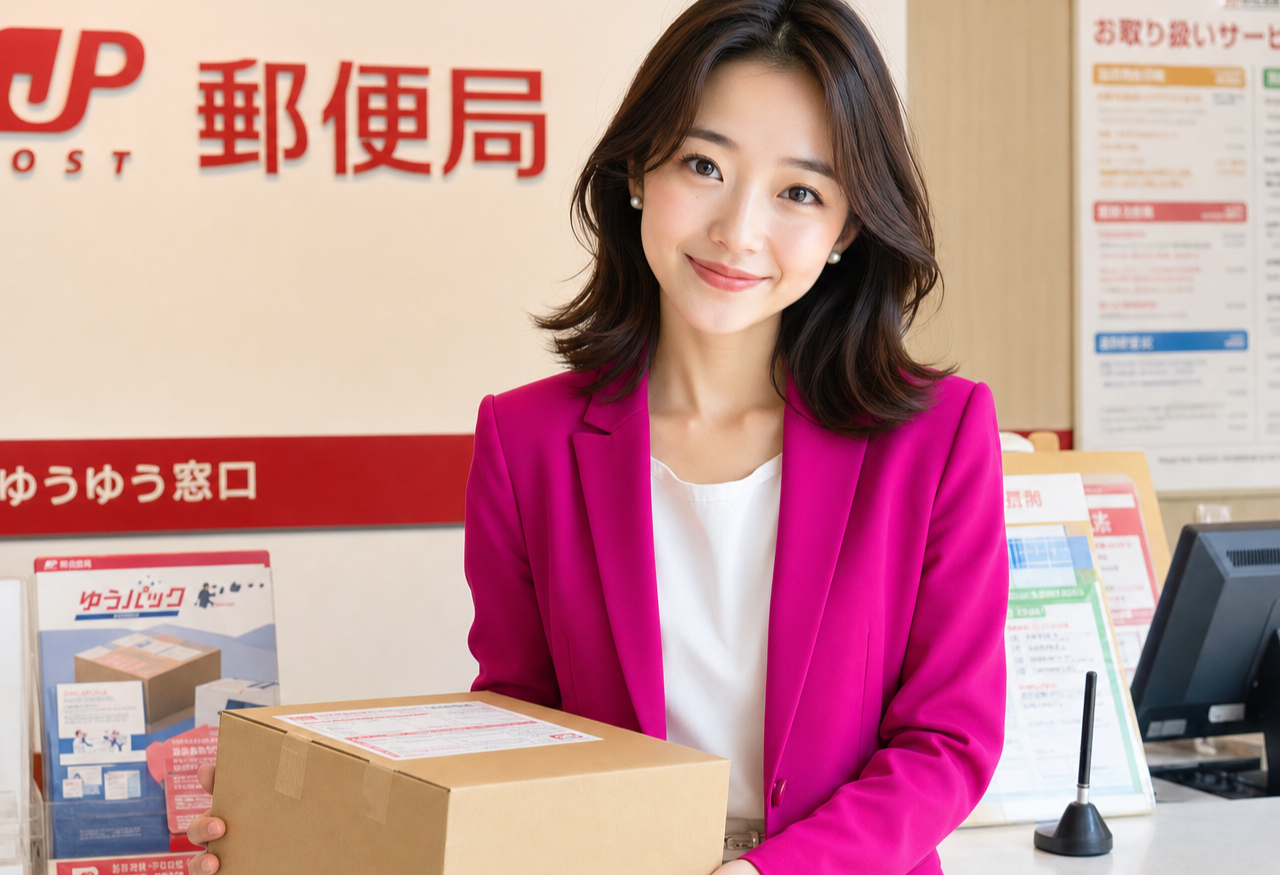
Hi, I'm Miya, and one of the questions I hear most often is why a parcel someone ordered from their home country is taking far longer than the shop promised. The short answer is that anything sent into Japan from abroad counts as an import, and every import is declared to customs before it can be handed to a delivery driver. Most of the time that happens quietly in the background and you never notice it.
Sometimes, though, customs needs something from you — a confirmation of what is inside and what you paid, or duty and consumption tax collected before or at delivery. The rules, rates and thresholds are set by Japan Customs and they can change, so treat this article as a map of the process rather than a source of numbers, and check Japan Customs' own published guidance together with the notice your courier sends you. This is general information, not legal advice.
What actually happens to your parcel after it lands
When your box arrives in Japan it goes to an international sorting facility, not straight onto a delivery van. There it is declared to customs on the basis of the paperwork the sender attached: a customs declaration or commercial invoice describing the contents, the quantity, the value and the currency, and whether it is a purchase or a gift. Customs reviews that declaration, and the large majority of parcels clear on the documents alone.
Some parcels are set aside for a closer look. That can happen because the description is too vague to classify — "sample", "gift" and "accessories" are classic offenders — because the declared value doesn't match what is obviously in the box, or because the goods fall into a category that needs an extra check. While that question is open, the parcel simply waits. Tracking that has said "customs clearance" for several days is not the same as a lost parcel.
Once it clears, the parcel is passed to a domestic delivery operator and you start seeing normal tracking updates and delivery-slot messages. If any money is due, some operators collect it at the door and others ask you to pay in advance before they will schedule delivery — the notice you receive will say which applies to your parcel.
Why some parcels arrive with something to pay
Two separate things can be charged on an imported parcel: customs duty, which depends on what the item actually is and how it is classified, and consumption tax on imported goods. On top of that, the operator handling clearance for you may charge its own clearance or handling fee. I deliberately don't quote figures here, because the rates, the thresholds and the way small consignments are treated are all set by Japan Customs and are published and updated by them.
That is why two boxes that look alike can be treated differently. They may fall on different sides of a threshold, contain goods in different categories, or be judged differently as personal use versus commercial quantity — and shipping and insurance costs can form part of the value that is assessed. Some overseas shops also collect an estimated tax amount at checkout under a prepaid arrangement, in which case nothing is due at your door; your order confirmation usually states this in plain language.
If something is payable you will get a notice — a slip in your post box, an SMS, or a message in the courier's app — saying what is due and how to pay it. It's worth acting on quickly, because parcels with unpaid charges are held and can eventually be sent back to the sender. Keep your order confirmation and the shop's invoice; if a charge looks wrong, those are exactly what you need in order to query it with the operator or with customs.
The message asking you to confirm your order
Quite often the operator clearing the parcel will contact you directly, because it is acting as your agent for the declaration. It may ask you to confirm the contents, the price you actually paid and in which currency, whether the goods are for personal use or for resale, and sometimes to send a copy of your order confirmation or payment screen. This is a routine request, not a sign that something is wrong.
Answer it accurately and don't be tempted to understate the value, because the declaration is made on your behalf as the importer and you are the one responsible for it. Plain, specific descriptions help enormously: what the item is, what it is made of where that matters, how many, and the unit price. For certain categories the operator may also need an extra document or your agreement before it can clear the goods for you.
Reply promptly — these requests usually carry a deadline, and after it passes the parcel can be held or returned. If you're not sure what is being asked, it's completely fine to ask the operator which item in the box they are questioning, and to ask the shop to re-issue the invoice if the sender left it off. A clear answer the same day is usually all it takes to get the parcel moving again.
Goods that are restricted or need a permit
Not everything you can buy abroad can simply be posted here. Some goods are prohibited outright, some need a permit, an inspection or a prior procedure before they can be released, and some are limited in quantity per person. The categories that catch newcomers most often are things like certain foods and agricultural products, plants and seeds, meat and dairy products, some medicines and supplements, and items that look like weapons. Japan Customs and the responsible ministries publish the current lists and the procedures.
Medicines are the one I flag hardest. Importing medication for your own use can require a prior approval procedure depending on the type and the quantity, and an ingredient that is sold freely in your home country may be controlled here. The same goes for some supplements and cosmetics ordered in bulk. Checking before you order is far easier than arguing about a box that is already sitting in a bonded warehouse.
If a restricted item arrives without whatever is required, it can be held, returned or disposed of, and an overseas shop won't necessarily refund you for that. When you're unsure, look it up in Japan Customs' published guidance or ask them before you place the order — asking costs you nothing. And please read this as general orientation rather than legal advice; your specific case may turn on details only customs can confirm.
Getting the recipient details right — including forwarding addresses
Clearance works on the assumption that the recipient is a real person at a real address, so write your name exactly as it appears on your residence card and passport: the same spelling, the same order of given name and family name. If the operator or customs asks you to confirm your identity, the name on the label needs to line up with your document. Nicknames, initials and shortened forms are a quiet cause of delay.
For the address, follow whatever order the sending country's form expects, but keep every Japanese element intact: postal code, prefecture, city or ward, the chome-banchi-go numbers, and the building name with your room number. The room number is the single most common omission, and a parcel addressed to a large building without one can stall. If the overseas form gives you short address fields, split the address across line one and line two rather than dropping the building name.
Some shops won't ship to Japan at all, which is why people use forwarding services: you're given an address overseas, the shop delivers there, and the service re-ships the parcel on to you. Generally the parcel then enters Japan as an import in your name, so everything above still applies — the declaration, any duty and tax, and the restricted-goods rules. Read the service's own terms for what it will and won't forward, and remember that the responsibility for what is declared stays with you.
Stay reachable, and your parcel keeps moving
Look at what every step above has in common: someone needs to be able to reach you. The customs question, the notice about charges, the delivery-slot message and the redelivery request all go to the phone number written on the shipping label — by SMS, by a call, or through the operator's app. An active Japanese line is quite literally the thing that keeps a parcel moving instead of waiting on a shelf for an answer you never received.
So sorting out a Japanese number with data is one of the first things I help newcomers with. With Rakuten Mobile you can apply online once your residence card is in hand, and if your phone supports eSIM the line often activates the same day — usually around fifteen minutes after you finish the application, with no store visit needed. Our setup guide walks you through it step by step, and please confirm the current conditions on the official campaign page before you apply. Then the next box from home can find you without any drama.
Related guides

Your First Business Trip in Japan: How Shucchou and Expenses Work
How a Japanese business trip works: approval before booking, who pays, nittou, receipts, the expense report and omiyage. #PR
Read the guide →
Donating Blood in Japan: Where to Go and What to Expect
What giving blood in Japan is like for a foreign resident: donation rooms, mobile buses, booking, ID and the screening. #PR
Read the guide →
Your First Job Interview in Japan: What Happens in the Room
What a Japanese job interview is really like: the door, the seating, jiko-shoukai and shibou douki, the rounds, and the follow-up. #PR
Read the guide →