Receiving Money From Abroad in Japan: Inbound Transfers to Your Account
Updated: 2026-09-14
Quick answer
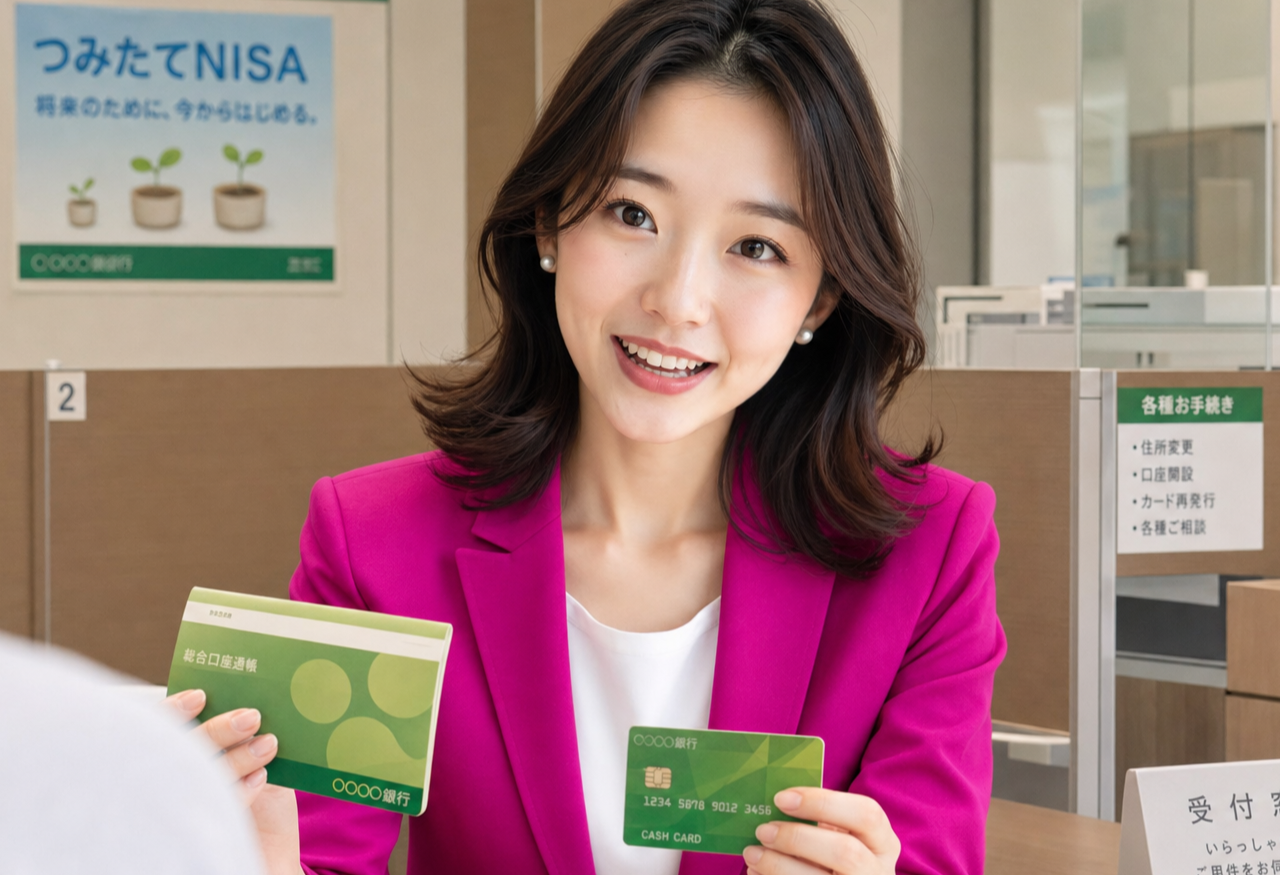
Hi, I'm Miya, and I help newcomers settle into life in Japan. To receive money from abroad, you generally give the sender either your Japanese account details or the receiving details for a transfer service you both use. The money travels across borders, arrives in yen after a currency conversion, and lands in your account or app. For anything larger, expect a few identity and record-keeping checks along the way — routine, not scary.
What the sender usually needs from you
The first step is on the sending side, but it starts with you handing over the right details. If money is coming straight to a Japanese bank account, a sender abroad typically asks for your account holder name exactly as registered, the bank and branch, your account number, and an international routing code such as a SWIFT/BIC. Some countries also want the bank's address. It's worth writing these down once and keeping them somewhere safe so you can share them cleanly each time.
The other common path is a dedicated transfer service, where you and the sender each have an account and the money moves between them. In that case the sender may only need your name, email, or a phone number tied to your profile, and the service handles the routing. Neither path is better in the abstract — it depends on what you and the sender already use, so check each service and your bank for their exact requirements.
How the funds arrive and convert to yen
Money sent from overseas usually starts in another currency and is converted to yen somewhere along the way — either by the sending service before it leaves, or by your receiving bank as it credits your account. The exchange rate applied and any handling the intermediary banks add are set by those institutions, not by you, so the amount that lands can differ a little from the round number the sender typed in.
Where the money shows up depends on the route. A bank transfer appears as a deposit in your Japanese account, sometimes with a note that it came from abroad. A transfer service holds the funds in your service balance first, and you then move them to your linked bank account or spend from the app directly. Either way, you'll usually get a confirmation once the money is available, and your bank or service can explain how the conversion was calculated if you ask.
ID and record-keeping on larger transfers
Inbound transfers, especially larger ones, come with identity and record-keeping steps that are standard for cross-border money in Japan. Your bank or service may confirm who you are, and for bigger amounts they can ask about the purpose of the transfer or where the money came from — a gift, salary, a property sale back home, and so on. This is a normal source-of-funds check, and having a simple, truthful answer ready makes it quick.
It helps to keep a light paper trail: a note of who sent the money and why, and any confirmation the service or bank gives you. Keep your registered details current, since a name or address that doesn't match can delay a deposit. If you're ever unsure what a particular check is for, ask your bank or the service directly — they'll point you to their own rules, and this article is general guidance rather than financial advice.
The general steps and timing
In practice the flow is short. You share your receiving details or confirm your transfer-service profile, the sender initiates the transfer on their end, the money is converted and routed, and it settles into your account or app. You then check that it arrived and, if it came through a service balance, move it to your bank if that's where you want it.
Timing varies with the route and the countries involved: some transfers settle within a day or two, others take longer if extra checks or intermediary banks are involved. Rather than guess, watch for the confirmation from your bank or service and lean on their tracking — they'll show you the real status for your specific transfer.
A Japanese number keeps it all confirmable
One quiet thing ties this together: a Japanese phone number with data. Transfer services and your banking app tend to verify logins and confirm that money has arrived by sending a code or a receipt notice to your number, so having a working line from early on keeps you in the loop the moment funds land. It's less about any one transfer and more about being reachable and verifiable while you settle in.
Setting up a line is refreshingly simple: you apply online with your residence card, pass a quick eKYC identity check, and eSIM-capable phones can often connect the same day — usually within about fifteen minutes. Have a look at our setup guide for the step-by-step, and confirm the current terms on the page before you apply. Get the number in place, and the confirmations for your inbound money will reach you wherever you are.
Related guides
Opening a Bank Account in Japan: What Newcomers Need (2026)
A calm, step-by-step guide to opening your first Japanese bank account — the documents, the right order to do things, and why your phone number comes first. #PR
Read the guide →Understanding Money in Japan: Coins, Cash Culture and When You Still Need Notes
A friendly guide to Japan's coins, notes and still-cash-friendly moments — what to carry and where cash still rules. #PR
Read the guide →
Getting Tax Certificates for Your Visa Renewal in Japan (Kazei and Nozei Shomeisho)
How to get the kazei and nozei shomeisho tax certificates for a Japan visa renewal, where to request them, and timing tips. #PR
Read the guide →