Hurt at Work or on Your Commute: How Rosai Insurance Works in Japan
Updated: 2026-09-21
Quick answer
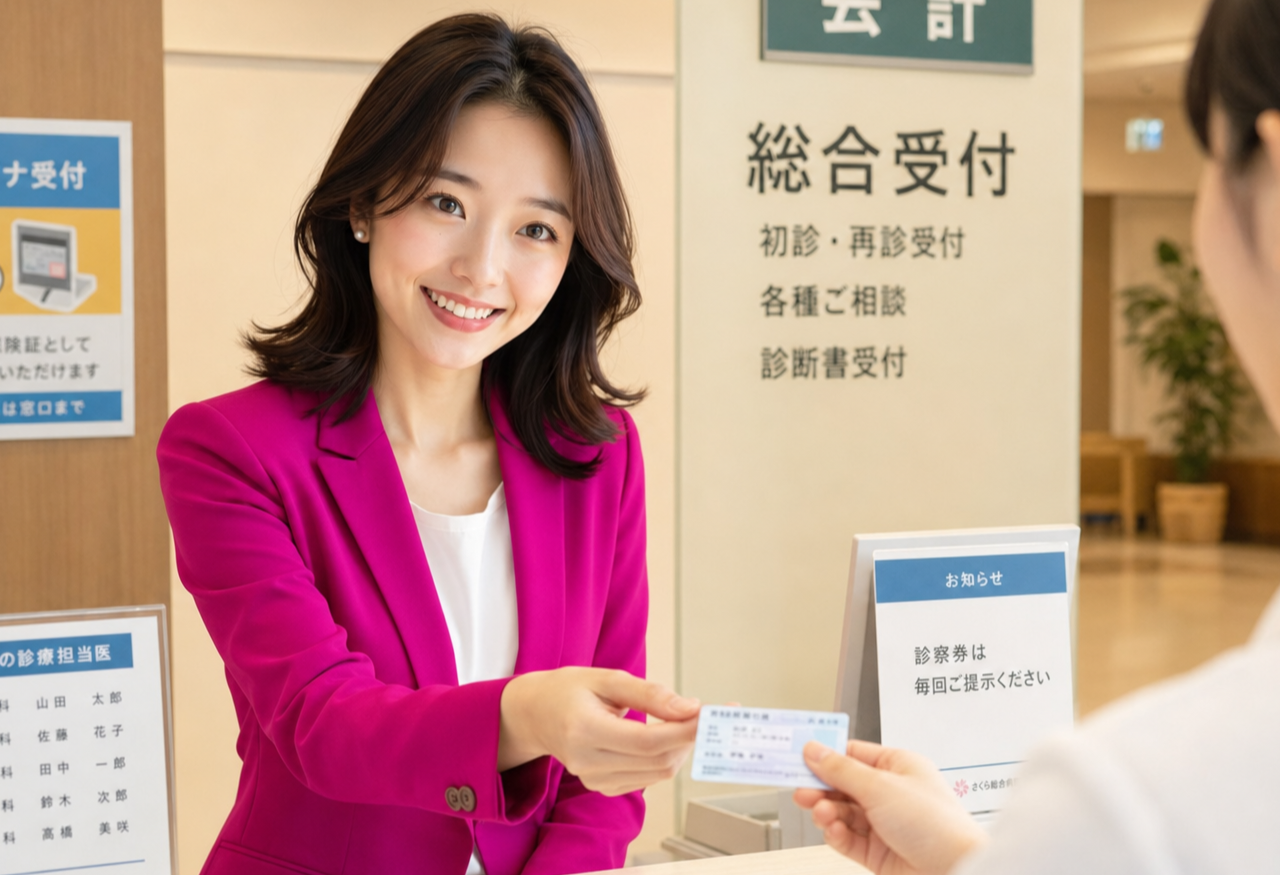
Hi, I'm Miya, and I help newcomers settle into life in Japan. If you are injured while doing your job, or on your ordinary journey between home and your workplace, Japan does not treat that as an everyday illness. It runs through a separate system called workers' accident compensation insurance — rosai hoken — rather than through the health insurance card you normally hand over at a clinic counter.
That distinction matters most in the first hour, when you are shaken and running on habit. Tell the clinic that the injury is work-related instead of reaching for your insurance card by reflex, and tell your workplace the same day. What follows is a general explainer, not legal advice: for how any rule applies to your own situation, the labour standards inspection office and the labour ministry's own guidance are where to check.
Two kinds of accident: at work, and on the way there
The system covers two broad categories. The first is an accident arising out of doing your work — what is called gyomu saigai. People picture construction sites, but it is much wider than that: a slip on a wet kitchen floor, a back strained lifting stock in a shop, a burn in a restaurant, a hand caught in equipment, and in some cases conditions that develop over time because of the work itself. If it happened because of what your job required you to be doing, it belongs in this category rather than in ordinary medical care.
The second is the commute — tsukin saigai — meaning your ordinary trip between home and work by a reasonable route and method. Falling on station stairs on the way in, or being hit by a car cycling home, generally sits here. The rules about detours are detailed: a long personal side trip can break the chain, while certain routine errands of daily life are treated differently, and whether a particular stop counts is judged on the facts of the case. If you are unsure whether your journey qualifies, that uncertainty is not a reason to stay quiet — say what happened and let the office decide.
Why you don't hand over your health insurance card
Japan's public health insurance is designed for ordinary illness and injury outside of work. Care for a work or commuting injury sits on a different track, where the cost is handled through the workers' accident system instead of the usual counter split you are used to. This is why a reception desk needs to know from the start, and why quietly presenting your health card can turn a simple case into paperwork that has to be unwound later.
In practice, say it plainly at reception: shigoto-chu no kega desu for an injury at work, or tsukin-chu no kega desu for one on the commute. Some clinics and hospitals are designated to handle these cases directly with the labour office; others are not, and the way the bill is settled differs, so ask at the counter which applies there. And if you already used your health card before you realised — which happens a lot, and is nothing to be embarrassed about — tell the clinic and your health insurer as soon as you know. It is fixable; it is just easier when it is caught early.
Who files, and where you can go yourself
Normally the paperwork is a joint effort. Your employer confirms the facts of the accident on the claim form, the treating doctor completes the medical part, and the form goes to the labour standards inspection office that covers your workplace. Most of the time this is routine and your role is mainly to report what happened accurately, keep the receipts, and remember dates and details while they are still fresh.
What I want you to hold onto is that the claim is yours, not a favour your employer grants. If your workplace delays, discourages you, tells you to use your health insurance instead, or disputes that it happened at work at all, you can go to the labour standards inspection office and consult them directly. They handle these consultations as part of their job. Bring whatever you have — dates, what you were doing, who saw it, the clinic's paperwork. Foreign-language support varies from office to office, so it is worth checking in advance or bringing someone who can interpret.
It does not depend on how long you have been there
A worry I hear often is that someone newly hired, or working part-time, has not yet 'earned' this protection. The system does not work that way. It applies to people who work for an employer regardless of whether they are full-time, part-time, on a fixed-term contract, or dispatched, and it applies from the first day rather than after a qualifying period. The premiums are the employer's responsibility, not something taken out of your pay or something you had to sign up for.
Beyond treatment costs, the system also has provisions for time away from work while you recover and for lasting effects of a serious injury, each with its own conditions and its own forms. I am deliberately not putting figures or eligibility tests in this article, because those details change and depend on your circumstances. Whether a particular claim is accepted is decided by the labour standards inspection office on the facts, so treat this piece as orientation and take the specifics from official labour-agency guidance or a consultation.
Get a Japanese number and data sorted early
Here is the quiet thread running through all of this: after the day it happens, almost everything reaches you by phone. The clinic calls about a follow-up appointment or a test result. Your workplace calls to confirm the details it has to write on the form. The labour office calls back about your consultation or about a document that is missing. None of those calls arrive when you are sitting calmly at a desk — they arrive while you are getting on with your week, which is exactly why a Japanese number you actually carry matters more than it seems.
Because the contract needs the residence card you receive after you arrive, this is not something to arrange before you land, but it is something to do early rather than leave for later. You can apply online with your residence card, and if your phone supports eSIM you can usually be connected the same day, often in about fifteen minutes and without visiting a shop. There is a setup guide here on the site that walks through the steps, and I would confirm the current terms on the official page before you apply. I'm Miya, an image character here to help you settle in — and I hope this is one guide you never need to use.
Related guides

Opening a Bank Account in Japan: What Newcomers Need (2026)
A calm, step-by-step guide to opening your first Japanese bank account — the documents, the right order to do things, and why your phone number comes first. #PR
Read the guide →Receiving Money From Abroad in Japan: Inbound Transfers to Your Account
How residents in Japan receive money sent from overseas: what a sender needs, how funds arrive and convert to yen, and the records larger transfers bring. #PR
Read the guide →Understanding Money in Japan: Coins, Cash Culture and When You Still Need Notes
A friendly guide to Japan's coins, notes and still-cash-friendly moments — what to carry and where cash still rules. #PR
Read the guide →