Using a Public Bath (Sento) in Japan: Etiquette and How It Works
Updated: 2026-08-30
Quick answer: what a sento is and how a visit flows
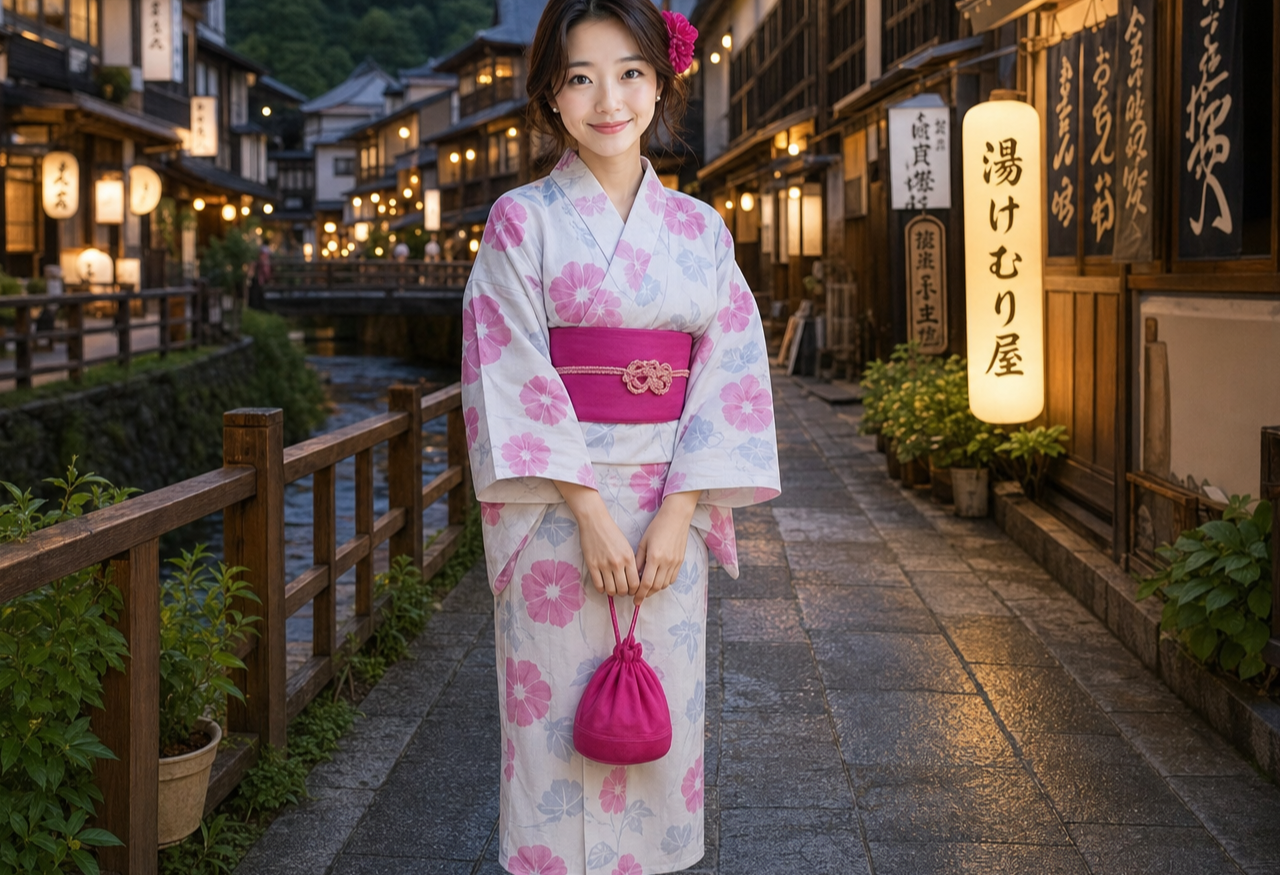
Hi, I'm Miya, and I love a good soak at the end of the day. A sento is a public bath in your neighborhood: you pay a small fee at the entrance, undress in a changing room, wash yourself thoroughly at a seated shower station, and then relax in a big shared tub of hot water. It's an everyday habit here, not a special event, and locals of all ages drop by simply to warm up and unwind.
A sento is a little different from an onsen. An onsen uses natural hot-spring water and is often part of a day trip or a stay somewhere scenic, while a sento is a community bath usually heated with regular water, tucked between houses and shops on an ordinary street. The bathing manners are almost the same in both, so once you're comfortable at a sento, an onsen visit feels familiar too.
The whole routine is calmer than it might sound. Nobody expects you to know everything on your first visit, and if you follow a few gentle habits, you'll fit right in. Let me walk you through each part so you can arrive relaxed.
Arriving: shoes off, then the front desk
The first thing you'll do at a sento is take off your shoes just inside the entrance. There's usually a row of small wooden shoe lockers by the door; you slip your shoes in, and many of these lockers use a little wooden key tag that you keep with you. Some are free, and some ask for a coin that comes back to you afterward.
Next you pay to enter. Many sento have a front desk where a staff member greets you, and some older ones have a raised seat called a bandai that sits between the men's and women's changing rooms so one attendant can watch both sides. You simply tell them one person, pay, and head to the correct side. Entrances are split by gender, usually marked with a blue curtain for men and a red or pink one for women, though colors can vary, so a quick glance at the signs helps.
If it's your very first time and you're unsure, it's completely fine to slow down and watch what others do for a moment. A small smile and a friendly greeting go a long way, and staff are used to welcoming newcomers.
The changing room and getting ready
Past the entrance is the changing room, a calm space with baskets or lockers for your clothes. You undress fully here; swimsuits are not worn in the bath. Fold your clothes into a basket or tuck them in a locker, and take only your small towel and any washing items through to the bathing area.
Sento bathing is done without clothing, which surprises some first-timers but quickly feels natural once you're inside. You'll carry a small hand towel with you; it's your companion for washing and for a bit of modesty as you move around. Leave your larger drying towel back in the changing room so it stays dry for afterward.
Take a breath and enjoy the unhurried mood. People move slowly, keep their belongings tidy, and speak softly. There's no rush to the water.
The most important habit: wash before you soak
Here's the one rule that matters most everywhere in Japan: you wash your body thoroughly before you get into the shared tub. The big bath is for soaking in clean water that everyone shares, so rinsing off first keeps it pleasant for all. You'll find rows of low shower stations, each with a little stool and a bucket, plus taps or a handheld shower.
Sit down at a station, and give yourself a good, complete wash with soap, rinsing away every last bit of lather before you head to the tub. Many sento provide the fittings, but soap and shampoo aren't always there, so it's handy to bring your own. When you're finished, tidy your stool and bucket and give the spot a quick rinse for the next person.
Then comes the reward: ease slowly into the hot tub and let your shoulders drop. Keep your small towel out of the bath water; most people fold it and rest it on their head or set it at the tub's edge. Move gently, keep splashing to a minimum, and simply enjoy the warmth.
Small towels, tattoos, and what to bring
A few little courtesies round out your visit. Keep long hair tied up and out of the water, don't swim or dunk your head under, and avoid bringing your phone into the bathing area. Talk quietly if you chat, and rinse or lightly towel off in the bathing room before stepping back to the changing area so you don't drip everywhere.
On tattoos: policies vary from bath to bath. Some sento welcome everyone, while others have their own rules, and expectations can differ from place to place. The kind thing is to check the specific bath's stance ahead of time rather than assume, and if you're ever unsure, a polite question at the front desk clears it up. Being considerate is what matters most.
As for what to bring: a small hand towel and a larger drying towel, your own soap and shampoo, and something to tie back long hair. Many sento sell or rent towels and small toiletries if you arrive empty-handed. That's really all you need for a lovely soak.
Finding a sento near you
Once you've tried it once, slipping into the local bathing habit is easy, and half the fun is discovering the little bathhouse closest to home. A maps app on your phone is the simplest way to find a nearby sento, see its opening hours, and check which day of the week it closes, since many take a regular rest day and you'll want to avoid a wasted trip.
It's also handy that a lot of sento now accept cashless entry, so you can tap to pay instead of hunting for coins, and some let you check in with your phone. Having a connected phone in your pocket makes the whole outing smoother, from looking up the place to paying at the door.
So keep your phone ready, find the bathhouse near you, and go enjoy a warm, quiet soak the way the neighborhood does. I hope your first sento visit leaves you glowing and relaxed. See you at the baths!
Related guides
Getting Foreign Documents Accepted in Japan: Translation, Apostille and Stamps
Hi, I'm Miya! How a foreign birth certificate, marriage record or degree gets accepted in Japan, plus apostille. #PR
Read the guide →
Internships in Japan for International Students: How They Actually Work
Hi, I'm Miya! Japanese internships are short, seasonal, and often an early screening step. Here is how they really work. #PR
Read the guide →
The First-Year Dip: Culture Shock in Japan and How People Come Out of It
The first year in Japan often dips before it lifts — what sets it off, what helps, and when to talk to someone. #PR
Read the guide →