Women's Health in Japan: Finding a Gynaecologist and Routine Care
Updated: 2026-09-06
Quick answer
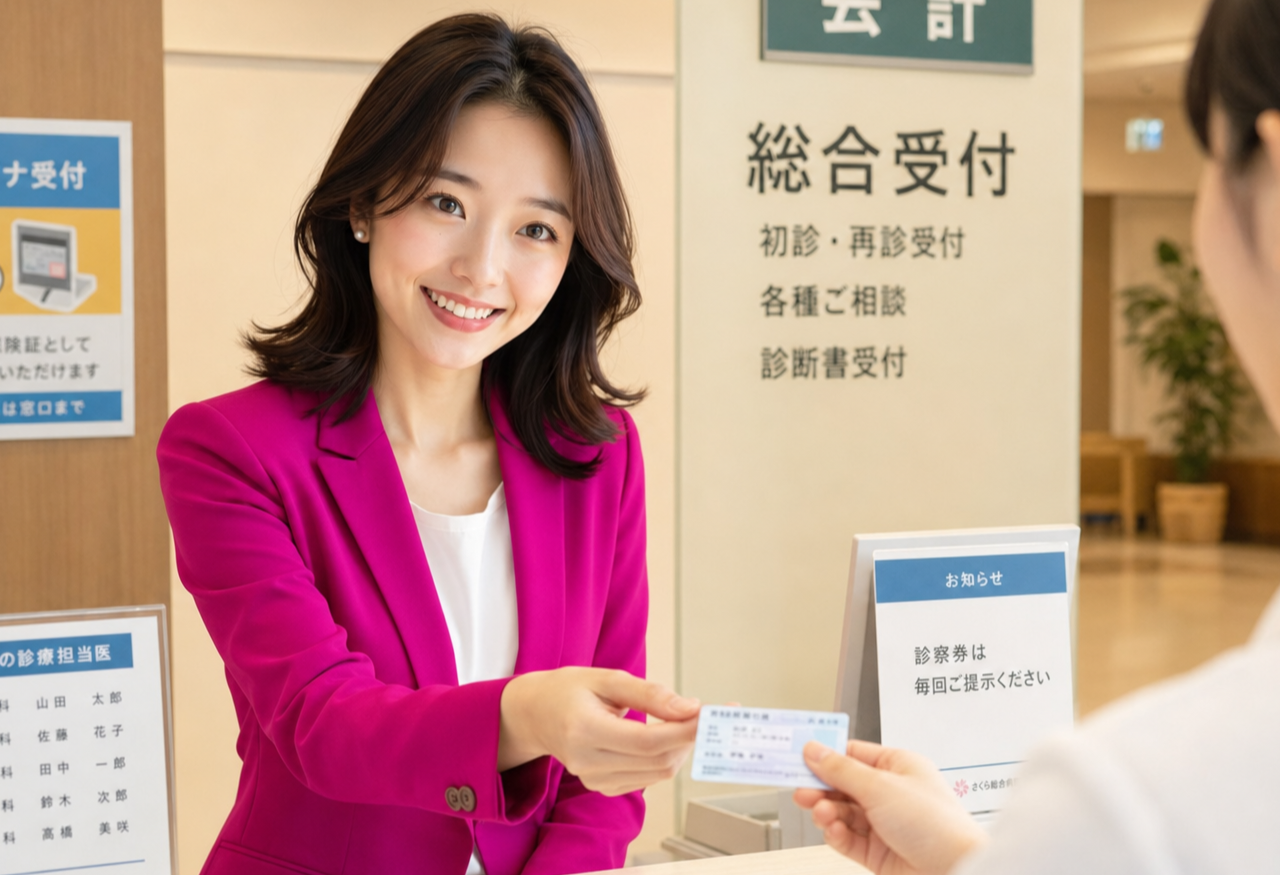
Hi, I'm Miya, and I help newcomers settle into life in Japan. Looking after your health in a new country can feel daunting, especially for something as personal as women's health, so let me help you get your bearings.
In Japan, women's health is usually handled by a fujinka (婦人科), meaning gynaecology. You may also see fujin-ka combined with obstetrics as sanfujinka (産婦人科). For routine visits, contraception, or a checkup, you can go directly to a local clinic without a referral. Many take bookings by phone or through a website or app, and staff are used to helping people who are still learning Japanese.
This article is a friendly orientation, not medical advice. For anything about your own body, please rely on a doctor and on official guidance from your city or clinic.
Finding a women's clinic (fujinka)
You have a few good ways to find care. A local fujinka or sanfujinka clinic is the everyday option for checkups, period concerns, and contraception. Larger hospitals handle more specialised needs, often via a referral from a clinic. If you prefer a woman doctor (josei ishi, 女性医師), it is completely fine to ask when you book, and many clinics list this on their website.
To search, try your city name plus 婦人科 in a map app, or ask your ward or city international desk for a list. Neighbours, coworkers, or a local parents' group can also point you to a clinic they trust. Reading recent reviews helps you get a feel for the atmosphere and whether staff are patient with language.
When you go, bring your residence card, your health insurance card if you are enrolled, and any medication you currently take. Arriving a little early gives you time to fill in the first-visit form calmly.
Routine checkups and cervical screening
Many local governments in Japan offer cervical cancer screening (shikyu keigan-gan kenshin, 子宮頸がん検診) for eligible residents, sometimes with a subsidised or reduced fee. Notices often arrive by mail from your city, or you can ask at the ward office or check the city website. Breast checks may be offered in the same municipal programme.
At a routine visit you might discuss your cycle, any discomfort, and questions you have been saving up. It is normal to feel nervous; you can bring notes, and you can ask the doctor to explain each step. If something needs follow-up, the clinic will guide you on next steps or a referral.
How often to be screened, and what is right for you, depends on your age, history, and a doctor's judgement, so please follow your clinic's advice and official municipal guidance rather than a fixed rule from an article.
Contraception, prescriptions, and everyday concerns
Contraception, cycle-related symptoms, and common concerns like discomfort or irregular periods are all normal reasons to see a fujinka. A doctor can talk through options with you and, where appropriate, write a prescription that you fill at a pharmacy (yakkyoku, 薬局). Bring the name of anything you already take so nothing is missed.
If you take a regular medication, ask how repeat visits and refills usually work at that clinic, since this varies. Keep the medication guide (okusuri techo, お薬手帳) that pharmacies offer; it keeps a tidy record you can show any doctor later.
Whether a particular option suits you is a conversation for you and your doctor. This guide only helps you know what to ask; it is not medical advice, and your clinic's guidance always comes first.
Getting care in English, or with translation help
Some clinics have English-speaking staff or doctors, and larger hospitals in bigger cities sometimes have a medical interpreter service. Your city's international association or a foreign-resident support desk can often share a list of clinics that welcome non-Japanese speakers, and some prefectures run a medical information line by phone.
A translation app on your phone is a genuine help at reception and during the visit. It is worth writing down a few key phrases in advance, and keeping your symptoms in simple Japanese saved as text so you can show the screen if speaking feels hard.
You do not need perfect Japanese to be looked after well. Clinic staff meet nervous first-timers every day, and a calm smile plus a phone screen goes a long way.
A small thing that makes visits smoother
Most of what makes a clinic visit easier comes down to being reachable: taking a booking by phone or app, receiving a confirmation, and having your translation tools ready in the room. A Japanese phone number and a little mobile data quietly handle all of that, so a visit that felt daunting in a second language becomes ordinary.
If you are still setting up, getting connected is refreshingly quick. With your residence card and an online identity check (eKYC), you can often finish an eSIM setup in around 15 minutes and be reachable the same day, without waiting for a card in the post.
There is no rush and nothing to prove. Sort out your number when it suits you, then book that first appointment knowing the phone and the map and the translator will all just work when you need them.
Related guides
Using Your My Number Card as a Health Insurance Card in Japan (Maina Hokensho)
A friendly, procedure-focused guide to using your My Number card as your health insurance card at clinics and pharmacies in Japan. #PR
Read the guide →Online Medical Consultations in Japan: How Telemedicine (Online Shinryo) Works
A warm, practical guide to online doctor consultations in Japan — what online shinryo covers, how a visit flows, and how the medicine reaches you. #PR
Read the guide →Switching Health Insurance When Your Job Changes in Japan
A calm, step-by-step guide to moving between national and employees' health insurance in Japan without a gap. #PR
Read the guide →