Sending Money Within Japan: How Bank Transfers (Furikomi) Actually Work
Updated: 2026-09-07
Quick answer
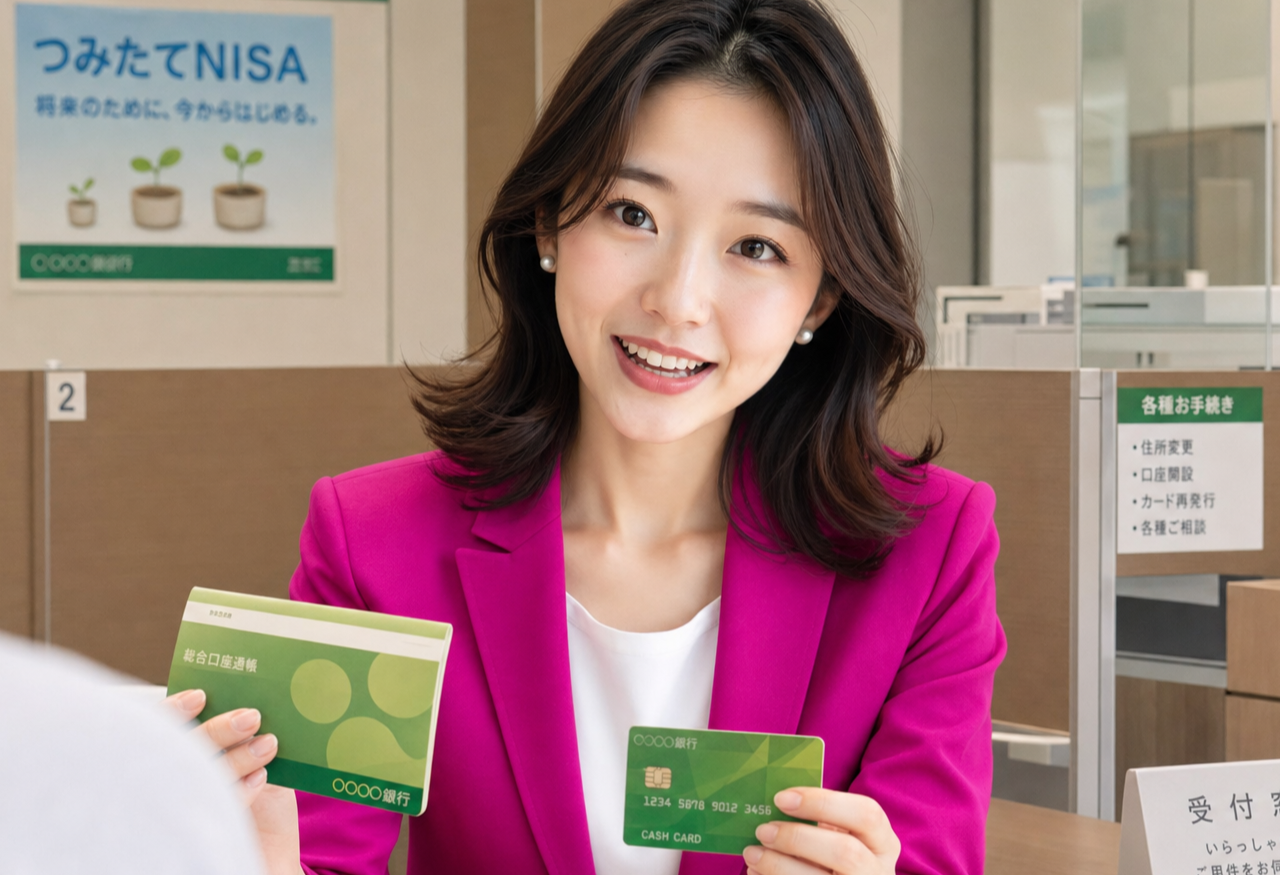
Hi, I'm Miya, and one thing that surprises a lot of newcomers is that Japan still moves a huge amount of everyday money by bank transfer. It's called furikomi, and it simply means sending money from your account straight into someone else's — no cash changing hands, no cheque in the post. You'll meet it for the very ordinary things: paying rent, sending a deposit, or settling up after dinner with friends. Once you've done it once, either at an ATM or in your bank's app, it stops feeling like a mystery and just becomes a small routine — so let me walk you through how it actually works.
What you'll actually use furikomi for
The first place most newcomers meet furikomi is rent. Many landlords and agencies expect you to transfer the monthly amount into a named account, sometimes on a fixed day of the month, rather than paying by card. Move-in costs — the deposit and the first bits of paperwork money — are often sent the same way, so it's usually the very first transfer you make in Japan.
After that, it quietly shows up everywhere. Splitting a group dinner where one person paid the whole bill, chipping in for a leaving gift, paying a small invoice, sending money to a friend who covered your ticket — all of these get sorted with a quick transfer instead of hunting for exact change. It's less about big formal payments and more about the small, human ones.
The account details you enter
A transfer is basically you typing in where the money should land. You'll need the bank name (each bank has its own number too), the branch name or its branch code, whether the account is an ordinary or current account, the account number itself, and the recipient's name. The person receiving the money can read all of this off their own bankbook or app, so the easiest thing is simply to ask them to send it to you.
The detail that trips people up most is the name. It's usually entered in katakana, exactly as the account is registered — and for a company that can look different from the shop's everyday name. If the katakana doesn't match, the transfer can bounce back, so I always tell newcomers to copy the recipient's details character for character rather than guessing.
Two ways to send: the ATM or the app
At an ATM you choose the transfer option (furikomi) on screen, then key in the bank, branch, account type, number, name, and amount. The machines usually offer English, and they'll walk you through it step by step. It works fine, but it does mean going to the machine during its opening hours and sometimes waiting in a queue, especially near month-end when everyone is paying rent.
In your bank's app, the same fields appear on your phone, and once you've sent to someone once you can save them and repeat it in seconds. The trade-off is that the app leans on security checks — typically a code sent by SMS or a push notification to your registered phone — before it lets the money move. That's the part where having your own Japanese number really matters, and I'll come back to it at the end.
Fees and timing, in plain terms
Most transfers carry a small fee, and as a rule it's a little cheaper to send to an account at the same bank than to a different one, and often cheaper from the app than from a machine. I won't quote figures here because they vary and change, but it's worth glancing at the fee before you confirm, especially if you'll be transferring rent every month — a quick check on your bank's own page tells you the current amount.
Timing depends on when you send. Send during normal daytime banking hours on a weekday and the money often arrives the same day, sometimes within minutes. Send late at night, on a weekend, or on a holiday and it may not land until the next business day. For anything with a deadline — rent especially — I like to send a day early so a cut-off time or a bank holiday never turns into a stressful surprise.
Get connected first, then move money without queuing
Here's why I bring all this back to your phone. The convenient way to do furikomi is in the app, and the app almost always confirms it's really you with a code by SMS or a push notification to your Japanese number before releasing the money. Without your own line you're pushed back to the ATM — going in person, during opening hours, joining the month-end queue. A connected phone is quietly what lets you pay rent from your sofa.
So I help newcomers sort a number before that first rent day arrives. With Rakuten Mobile you can apply online with just your residence card, and if your phone supports eSIM you can often be set up the same day — usually around fifteen minutes, with no trip to a store. Check the official page for the current conditions before you apply, and I'll help with the mobile side, so your first transfer is a two-minute thing from the couch instead of an errand.
Related guides
Opening a Bank Account in Japan: What Newcomers Need (2026)
A calm, step-by-step guide to opening your first Japanese bank account — the documents, the right order to do things, and why your phone number comes first. #PR
Read the guide →
Car Insurance in Japan: The Compulsory One and the One You Really Want Too
Japan's compulsory car insurance covers far less than newcomers assume. Here's how the second layer fits. #PR
Read the guide →
Hurt at Work or on Your Commute: How Rosai Insurance Works in Japan
Injuries at work or on your ordinary commute are handled by rosai insurance, not by your health card — here is how that works. #PR
Read the guide →