National Holidays and Opening Hours in Japan: Planning Around Closures
Updated: 2026-08-27
Quick answer

Hi, I'm Miya. If you've ever walked to the ward office only to find the shutters down, this one's for you. Japan has a full set of national holidays plus a few periods each year when banks, government offices and clinics quietly close for several days in a row.
The short version: convenience stores, supermarkets and many restaurants stay open almost all year, but the places you need for paperwork, money and health care follow strict weekday hours and close on public holidays. If you learn the rhythm, you'll never waste a trip.
In this guide I'll walk through how holidays work, the three big clusters to plan around, what closes versus what stays open, and the everyday opening-hour habits that trip up newcomers.
How Japan's public holidays work
Japan has many national holidays spread across the year, and a few things about them are worth knowing. Several holidays are fixed to a particular Monday of the month, which creates long weekends, so a Saturday errand can suddenly become a three-day wait.
When a holiday lands on a Sunday, the following Monday usually becomes a substitute day off, so offices stay shut then instead. There's also a quirk where a single weekday caught between two holidays can itself become a 'national holiday,' turning a two-day break into a longer one.
The exact dates shift every year, so I always check the current year's calendar rather than trusting memory. A quick search or the calendar app on your phone will show which days are red, and that's your cue to plan around them.
The three clusters that shut things down
Three periods each year are when closures and crowds peak. Golden Week runs from late April into early May, stringing several holidays together into one of the busiest travel weeks of the year. Trains, flights and popular spots fill up, and many offices close for a stretch.
Obon falls around the middle of August. It isn't an official national holiday, but many companies and family businesses close so people can return to their hometowns, so expect reduced services and packed transport for that week.
The New Year period, from the end of December into the first days of January, is the biggest slowdown of all. Government offices, banks and many clinics close for several days, and even some restaurants and shops take a break. This is the one cluster where you really want your errands done in advance.
What closes and what stays open
On public holidays and during those big clusters, the pattern is fairly consistent. Ward and city offices, banks, post office counters and most clinics close. If you need residence paperwork, a bank transfer at a counter, or a non-urgent doctor's visit, none of that will happen on a red day.
What keeps running: convenience stores are open around the clock almost every day of the year, and many supermarkets, drugstores, restaurants and larger shopping centers stay open on holidays too. ATMs generally work, though some charge more or have shorter hours on holidays.
For anything urgent, emergency medical care and emergency services never stop. But for routine tasks, treat holidays as fully closed for offices and banks and plan accordingly.
Everyday opening-hour norms
Even on normal days, opening hours here can surprise you. Ward and city offices generally open weekday daytime only, roughly morning to early evening, and are closed on weekends, so you often need to take time off work to visit. Some offer one extended evening or weekend session a month, but it's limited.
Bank counters keep short hours, typically weekday afternoons only and closed on weekends and holidays, though ATMs and apps cover most of what you need outside those times. Clinics are the other classic trap: many close for a long lunch break in the middle of the day and take a fixed weekday and Sunday off, so 'open' rarely means all day.
My habit is to check the specific hours before I set out, especially for offices and clinics. A place being open yesterday doesn't guarantee it's open at the hour you arrive today.
Time your errands and stay connected
Here's how I plan: batch the office-and-bank tasks onto a weekday well away from the three clusters, and keep convenience-store and supermarket runs for holidays when little else is open. Booking clinic slots or renewals a bit early around Golden Week, Obon and New Year saves a lot of frustration.
The catch is that hours, holiday notices and bookings almost all live in apps you check on the go — a clinic's holiday note on its site, a real-time map showing what's open, a reservation you confirm from the platform. A data-connected phone is what keeps you from turning up to a shut door.
That's the quiet reason I suggest sorting a Japanese number and mobile data early. With a plan through Rakuten Mobile, an eSIM can activate the same day once your residence card is in hand, so you can check hours and hold bookings from anywhere. Handle the connection first, and timing your errands around Japan's holidays gets a whole lot easier.
Related guides
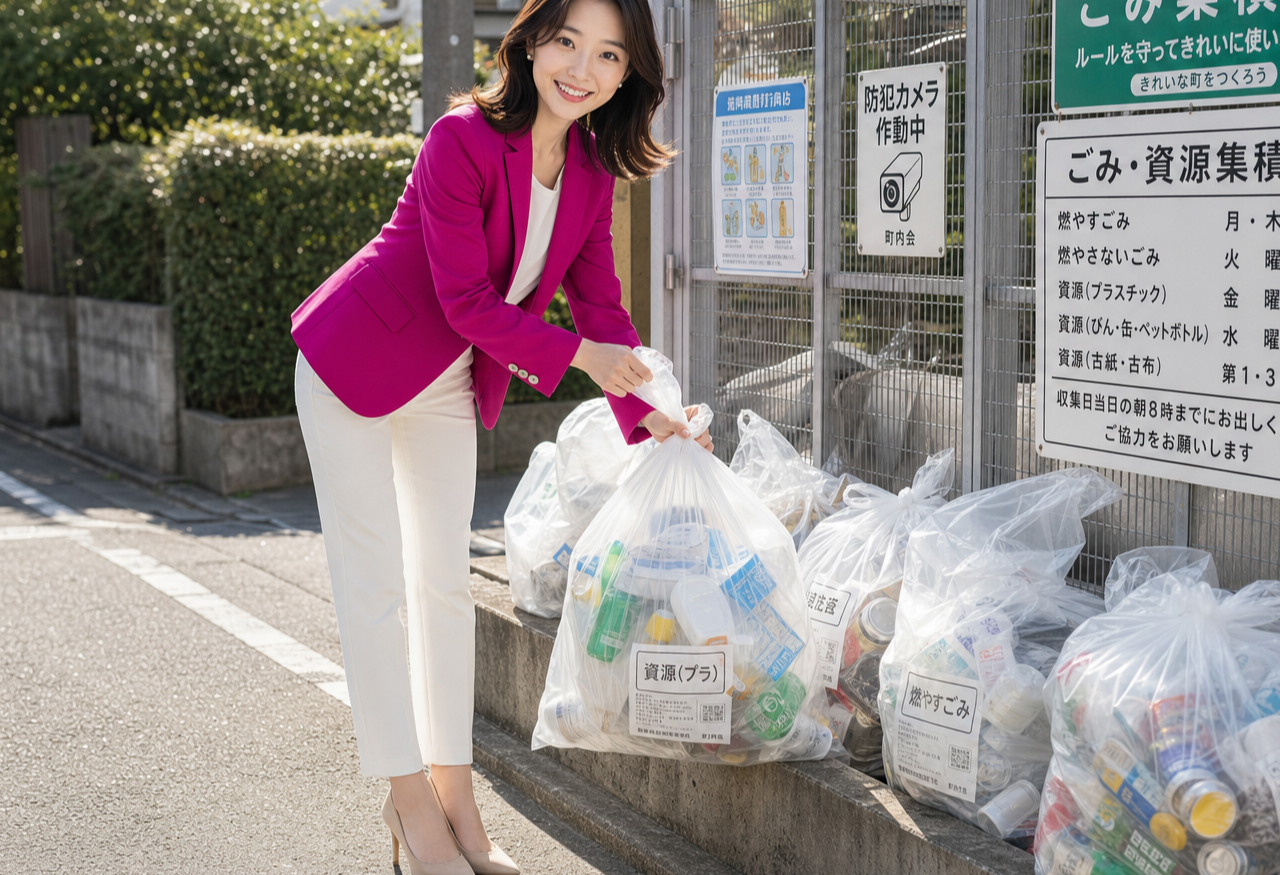
Gomi Sorting in Japan: Moeru Gomi, Sodai Gomi and the 8am Rule, With a Real Ward's Rules (2026)
Not burnable-vs-non-burnable. The four categories a Tokyo ward actually uses, the 8:00am deadline, the 30cm cube test for sodai gomi, the 危険 label for anything sharp, and how to find the calendar for your own street. Worked from Shinjuku City's official guide. #PR
Read the guide →
Grocery Delivery in Japan: Supermarket Delivery and Co-op Boxes
Two ways groceries reach your door in Japan: supermarket delivery you book by time slot, and the weekly co-op box. #PR
Read the guide →
Finding International, Halal and Vegetarian Groceries in Japan
Where newcomers actually find food from home in Japan: import and international markets, halal and ethnic grocers, online shops, and reading labels. #PR
Read the guide →