Pharmacies in Japan: Buying Medicine and Filling Prescriptions
Updated: 2026-08-27
Quick answer
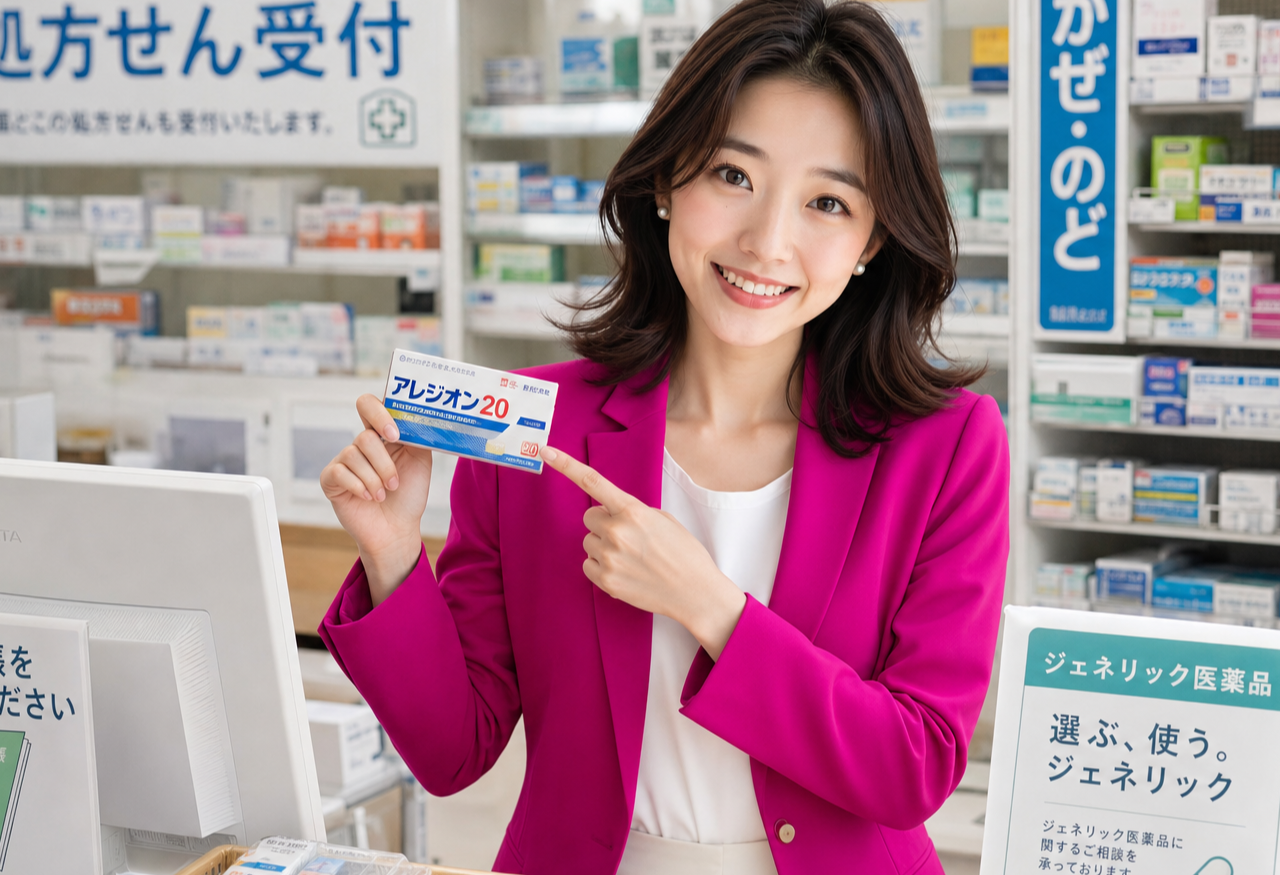
Hi, I'm Miya. If you feel a little off in Japan, you have two kinds of places to walk into, and they are not the same. A drugstore is where you buy over-the-counter remedies and daily goods off the shelf, and a dispensing pharmacy is where you hand over a prescription from a doctor and have your medicine prepared. Knowing which door you need saves a lot of confusion at the counter.
This article walks you through buying over-the-counter medicine, understanding a prescription, and keeping a medicine notebook called an okusuri techo. It is practical, everyday guidance, not medical advice, so for anything about your own health, please ask a pharmacist or doctor and read the official information that comes with your medicine. Visiting a clinic and finding English-speaking medical care are covered in separate articles.
Drugstore or dispensing pharmacy: knowing the difference
A drugstore, often a big chain you will spot on almost any shopping street, sells over-the-counter medicine alongside cosmetics, snacks, and household items. You can browse the shelves yourself, and many locations are open late, which makes them the natural first stop for minor aches, colds, or an upset stomach.
A dispensing pharmacy, called a chouzai yakkyoku, is a quieter place whose main job is to fill prescriptions written by a doctor. You will often find one right next to a clinic or hospital. Some large drugstores also have a dispensing counter inside, so the two can overlap, but if you are holding a prescription, look for the dispensing side and a licensed pharmacist rather than the open shelves.
Buying over-the-counter remedies
Over-the-counter medicine in Japan covers the familiar basics: pain and fever relief, cold and cough remedies, stomach and digestion aids, allergy medicine, and things like bandages or eye drops. Products are grouped by how carefully they need to be handled, and some stronger items are kept behind the counter where a pharmacist or registered seller has to hand them to you and may ask a question or two first.
If you are not sure what to pick, describing your symptoms to the pharmacist is the best move. Point to where it hurts, say when it started, and mention anything you already take or any allergies. Always read the label for the dose and any warnings, and if a translation app helps you understand the ingredients or instructions, use it. When symptoms are strong or last more than a few days, that is a sign to see a doctor rather than buy more off the shelf.
Prescriptions and their short validity
When a doctor decides you need something you cannot buy off the shelf, they write a prescription, called a shohousen. You take that paper to a dispensing pharmacy, where a pharmacist prepares exactly what the doctor ordered, explains how to take it, and answers your questions.
One detail that surprises many newcomers is how quickly a prescription expires. It is generally valid for only a few days from the date it is issued, so plan to fill it soon rather than saving it for later. If you cannot get to a pharmacy in time, the paper may no longer be accepted and you could need to see the doctor again, so it is worth handling promptly.
The medicine notebook (okusuri techo)
The okusuri techo is a small medicine notebook that records what has been prescribed to you and when. Each time you fill a prescription, the pharmacy adds a sticker or printout, building a running history of your medicines in one place. You can keep a paper booklet, and many pharmacies now offer an app version too.
This little book matters more than it looks. It helps a pharmacist check that a new medicine will not clash with something you already take, and it is genuinely useful in an emergency, at a new clinic, or when you move to a new area. Bring it with you whenever you fill a prescription, and if you do not have one yet, just ask the pharmacy to start one for you.
Staying connected makes the counter easier
So much of handling medicine goes smoothly when your phone is ready to help. A translation app lets you read a label, understand a warning, or explain your symptoms to the pharmacist in the moment, and having data on hand means you are never stuck guessing what an ingredient means. Some pharmacies also let you send your prescription ahead or notify you when your medicine is ready through an app, and those touchpoints work best with a Japanese phone number.
That is where getting connected quietly pays off. With Rakuten Mobile you can have a real Japanese number and data for exactly these everyday moments, and an eSIM can activate the same day once your residence card is in hand, so you are ready before your next trip to the pharmacy. It is a small step that makes the whole health-and-medicine side of life in Japan feel a lot calmer.
Related guides
Using Your My Number Card as a Health Insurance Card in Japan (Maina Hokensho)
A friendly, procedure-focused guide to using your My Number card as your health insurance card at clinics and pharmacies in Japan. #PR
Read the guide →Online Medical Consultations in Japan: How Telemedicine (Online Shinryo) Works
A warm, practical guide to online doctor consultations in Japan — what online shinryo covers, how a visit flows, and how the medicine reaches you. #PR
Read the guide →Switching Health Insurance When Your Job Changes in Japan
A calm, step-by-step guide to moving between national and employees' health insurance in Japan without a gap. #PR
Read the guide →