Seeing a Doctor in Japan: Finding a Clinic and What to Expect
Updated: 2026-08-24
Quick answer
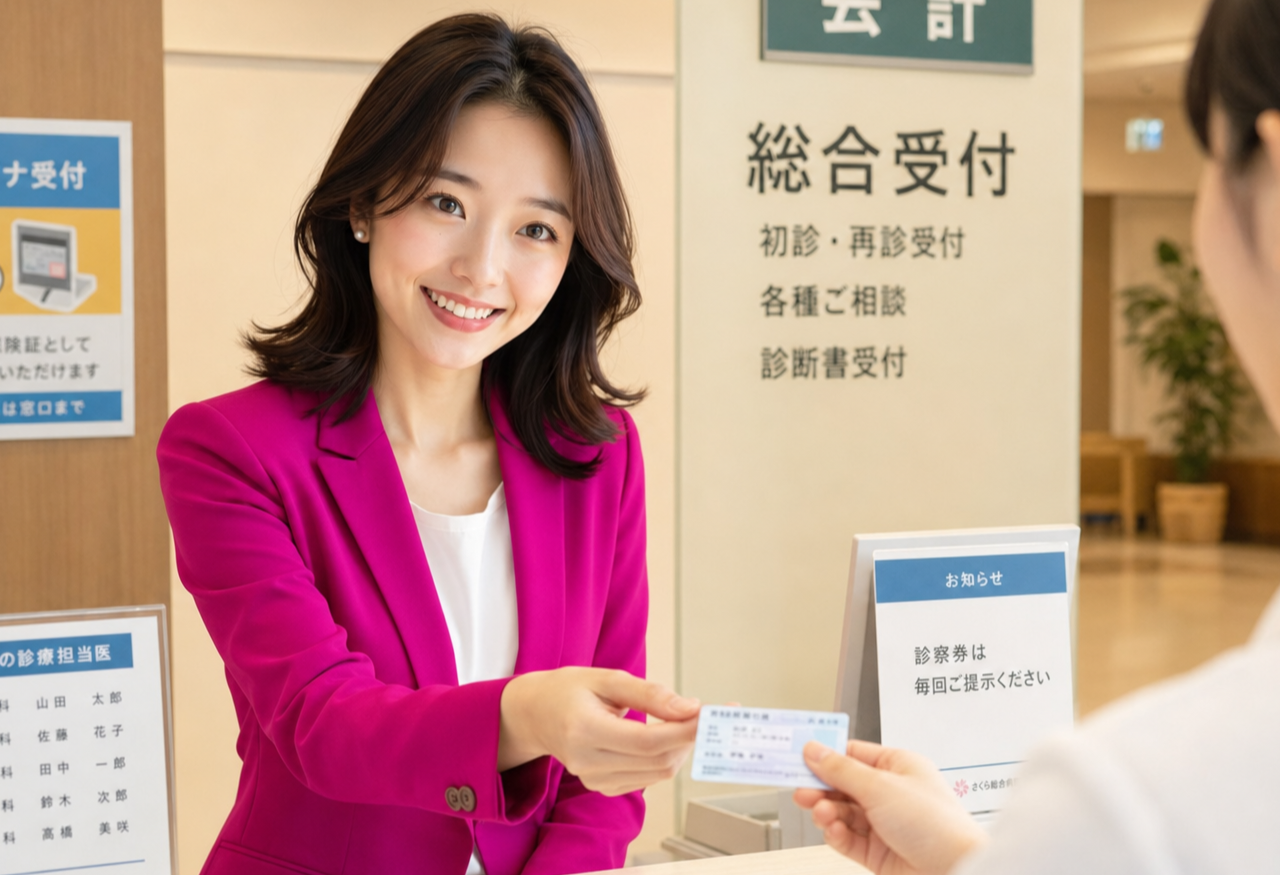
Hi, I'm Miya! Feeling under the weather in a new country is nerve-wracking, so let me walk you through it. For everyday problems like a cold, a fever, or a stomachache, you don't go to a big hospital. You go to a small local clinic, and it's much less scary than it sounds.
The short version: find a nearby clinic that matches your symptom, bring your health-insurance card, fill in a short form at reception, wait to be called, see the doctor, and then take your prescription to a nearby pharmacy. That's the whole flow, and I'll unpack each part below.
Clinic or hospital? Start small
In Japan there's a real difference between a clinic and a hospital. A clinic (医院 or クリニック) is a small neighborhood practice, usually run by one or a few doctors. A hospital (病院) is a large facility with many departments and inpatient beds, and it's mainly for serious cases, referrals, or emergencies.
For most first visits, a clinic is exactly where you want to be. They're everywhere, waits are usually shorter, and if your case turns out to be complicated, the clinic doctor will write you a referral letter to a hospital. Starting at a clinic is the normal, expected path, so don't feel you're doing it wrong.
Clinics have specialties
Clinics often focus on one area, and it helps to pick the right one. 内科 (naika, internal medicine) is your all-rounder for colds, fever, stomach trouble, and general feeling-unwell days, so it's a safe default when you're unsure.
Other common ones you'll see on signs: 耳鼻咽喉科 (ear, nose and throat), 皮膚科 (skin), 眼科 (eyes), 整形外科 (bones and joints), and 歯科 (dental). Many clinics list their specialties right on the door or on a floor directory, so a quick look tells you if you're in the right place.
Bring your insurance card
The most important thing to carry is your health-insurance card (健康保険証). With it, you generally pay only about 30% of the cost yourself at the counter, and the insurance system covers the rest. Without it you may be asked to pay the full amount up front, so keep it with you.
At reception (受付), hand over your insurance card and say you're a first-time patient if you are. They'll give you a short form asking your name, address, symptoms, and any allergies or current medications. If writing in Japanese is hard, don't worry, staff are used to helping, and a translation app on your phone makes this part much smoother.
The wait and the doctor
After you hand in your form, you take a seat in the waiting room until your name or number is called. Waits vary a lot, from a few minutes to over an hour on a busy morning, so bring a little patience. Some clinics let you check in earlier by phone or an app and come back near your turn.
The consultation itself is usually quick and to the point. The doctor will ask about your symptoms, maybe listen to your chest or check your throat, and then explain what they think and what to do. It's completely fine to ask questions, and showing symptoms typed into a translator is a great way to be understood. When it's over you pay at the counter and receive a prescription (処方箋) if you need medicine.
The pharmacy step, and a little tip from me
In Japan the clinic usually doesn't hand you the medicine directly. Instead you take your prescription to a separate dispensing pharmacy (調剤薬局), often right next door or a short walk away. The pharmacist prepares your medicine, explains how to take it, and you pay there. Ask for an お薬手帳 (okusuri techō, a medicine notebook) on your first visit, it records everything you're prescribed and is genuinely handy at future visits and other clinics.
One thing that quietly made all of this easier for me: having a Japanese phone number and mobile data. Many clinics take bookings by phone or through a simple app, maps guide you straight to the right building, and a translation app at reception turns an anxious moment into a manageable one. If you're still getting set up, sorting out a local number and data early means that on the day you actually feel sick, the logistics are already handled. Take care of yourself out there!
Related guides
Using Your My Number Card as a Health Insurance Card in Japan (Maina Hokensho)
A friendly, procedure-focused guide to using your My Number card as your health insurance card at clinics and pharmacies in Japan. #PR
Read the guide →Online Medical Consultations in Japan: How Telemedicine (Online Shinryo) Works
A warm, practical guide to online doctor consultations in Japan — what online shinryo covers, how a visit flows, and how the medicine reaches you. #PR
Read the guide →Switching Health Insurance When Your Job Changes in Japan
A calm, step-by-step guide to moving between national and employees' health insurance in Japan without a gap. #PR
Read the guide →