Surviving Japan's Summer Heat: Heatstroke, Air-Con and Staying Comfortable
Updated: 2026-08-27
Quick answer
Japan's mid-summer heat is a different beast from the rainy season. The air is thick with humidity, and even a short walk to the station can leave you drenched and lightheaded. The single most important thing is to take the heat seriously: drink before you feel thirsty, take breaks in the shade or in cool buildings, and never try to tough it out just to save on the air-con.
In this guide I want to walk you through the early warning signs of heatstroke (necchuushou), simple ways to prevent it, how to use your air-conditioner without second-guessing, and how to read the heat-alert forecast so you can plan your day around the worst of it. This isn't medical advice, but I hope it helps you stay safe and comfortable.
Knowing the warning signs of heatstroke
Heatstroke, called necchuushou in Japanese, can come on faster than you expect, and it doesn't only happen outdoors. The early signs are easy to brush off: feeling dizzy or lightheaded, muscle cramps in your legs or stomach, a headache, or a wave of nausea. You might feel unusually tired or notice your heart racing.
One sign I really want you to remember is when you stop sweating even though it's hot. That can mean your body is struggling to cool itself, and it's a serious warning. If you or someone near you feels confused, can't stand steadily, or seems to be losing awareness, treat it as an emergency.
For mild symptoms, move to a cool place, loosen tight clothing, and cool your body while sipping water. For anything severe, or if symptoms don't ease, please seek medical help right away and follow official guidance. When in doubt, it's always better to rest and check in than to push through.
Preventing heatstroke before it starts
Prevention really does most of the work. Drink water regularly through the day rather than waiting until you're thirsty, and when you're sweating a lot, replace salt too, not just water. Many people here keep a bottle of a sports drink or oral rehydration drink on hand for hot days.
Try to avoid being outside during the peak hours in the early afternoon when the sun is strongest. If you have to be out, stick to the shade, wear light and breathable clothes, and use a hat or a parasol. A lot of people carry a small handheld fan or a cooling towel you wet and drape around your neck, and they genuinely help.
Keep an eye on the people around you too, especially older neighbors and children, who feel the heat differently. A quick check on someone during a hot spell can make a real difference.
Air-conditioning without toughing it out
Air-conditioning is not a luxury in a Japanese summer; it's a safety tool. If your unit has a cooling mode (usually marked with a snowflake), that's the one that actually lowers the temperature. A dehumidify or dry mode helps with the sticky humidity but won't cool the room as strongly on the hottest days.
The nights can be the trickiest part, because the heat lingers and it's tempting to switch the air-con off to sleep. Please don't tough it out overnight. Running your cooling at a comfortable setting, or using a timer and a fan to keep the air moving, helps your body recover while you rest.
If your remote is only in Japanese, look for the cooling symbol and the temperature buttons first. A small adjustment to a comfortable level is far better than sweating through the night to save a little.
Reading the heat-alert forecast
Japan issues heat-related forecasts and alerts during summer, and learning to glance at them makes planning so much easier. The heat index combines temperature and humidity into one number, which matters because humid days feel far more dangerous than the thermometer alone suggests.
When a strong heat alert is issued for your area, treat it as a signal to slow down: move errands to the cooler morning or evening, keep your air-con on, and drink more than usual. On those days, outdoor plans and strenuous exercise are worth rescheduling.
You don't need to memorise the numbers. What matters is building the small habit of checking the forecast before you head out, so the heat doesn't catch you by surprise.
Staying connected helps you plan around the heat
Here's where being connected quietly helps. Heatstroke alerts and heat-index forecasts are pushed to your phone, so with a working Japanese number and data you get a gentle heads-up when a dangerous day is coming, and you can plan around the peak heat instead of being caught out in it.
That same connection lets you check the hourly forecast on the go, message someone if you start feeling unwell, or find the nearest cool place to rest. It's a small piece of peace of mind that matters a lot in summer.
If you're still getting set up, an eSIM with Rakuten Mobile can activate the same day once your residence card is in hand, so you don't have to spend a hot afternoon waiting. Getting connected is one of those first steps that quietly makes everything else in your Japan summer a little easier.
Related guides
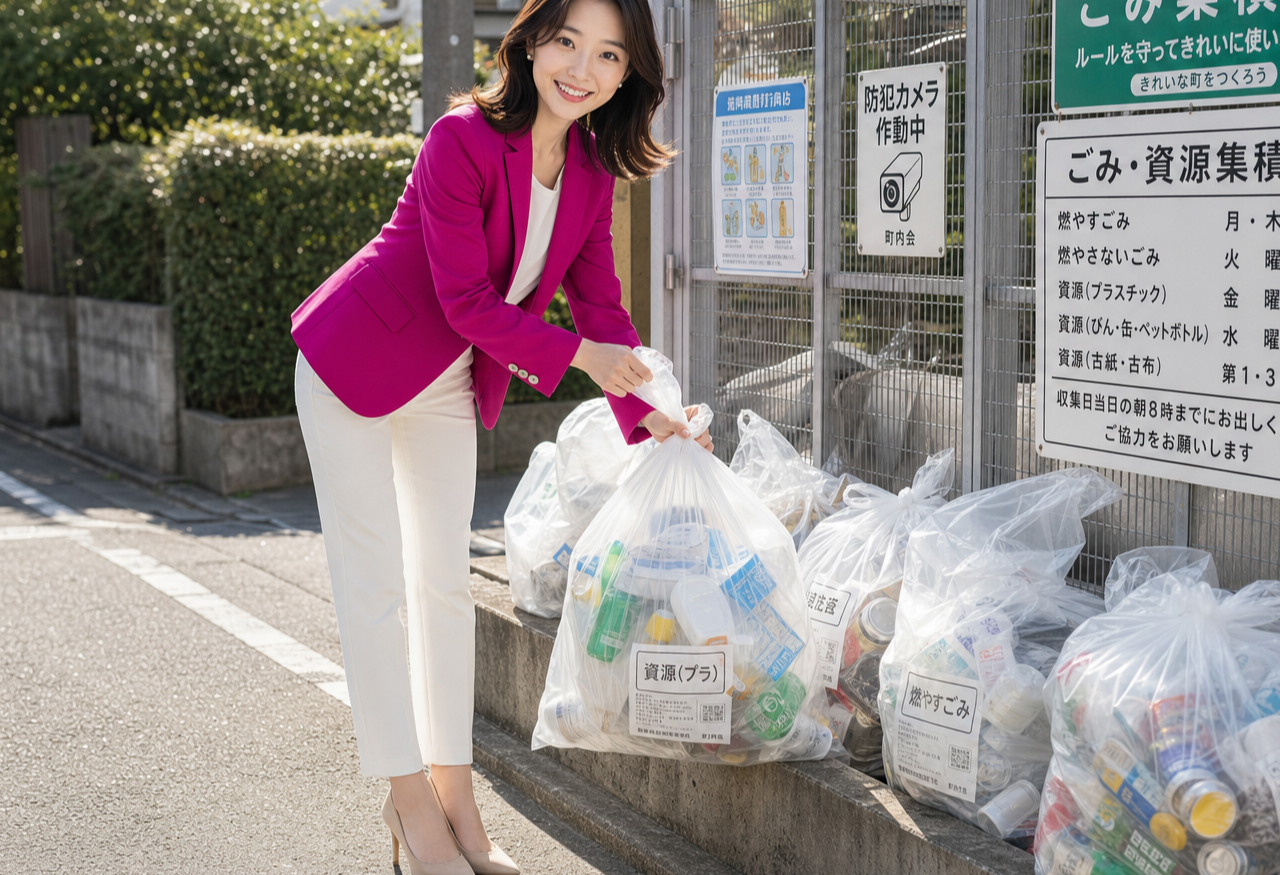
Gomi Sorting in Japan: Moeru Gomi, Sodai Gomi and the 8am Rule, With a Real Ward's Rules (2026)
Not burnable-vs-non-burnable. The four categories a Tokyo ward actually uses, the 8:00am deadline, the 30cm cube test for sodai gomi, the 危険 label for anything sharp, and how to find the calendar for your own street. Worked from Shinjuku City's official guide. #PR
Read the guide →
Grocery Delivery in Japan: Supermarket Delivery and Co-op Boxes
Two ways groceries reach your door in Japan: supermarket delivery you book by time slot, and the weekly co-op box. #PR
Read the guide →
Finding International, Halal and Vegetarian Groceries in Japan
Where newcomers actually find food from home in Japan: import and international markets, halal and ethnic grocers, online shops, and reading labels. #PR
Read the guide →