Surviving Japan's Rainy Season: Humidity, Mould and Staying Comfortable
Updated: 2026-08-26
Quick answer

Japan's tsuyu (梅雨) rainy season runs roughly from early June into mid-July across most of the country, followed by a hot, sticky summer. The two things that make or break your comfort are managing indoor laundry and keeping mould (kabi) from taking hold. Get those right and the rest is just carrying the right umbrella.
Day to day, the small wins add up: dry your washing indoors with airflow, run a dehumidifier or ventilate in short bursts, tuck moisture-absorbing packs into closets, and check a rain-radar app before you head out so you can slip between the downpours.
What tsuyu actually feels like
Tsuyu isn't constant rain. It's long stretches of heavy cloud and high humidity punctuated by sudden, drenching showers, then muggy sunshine in between. Temperatures aren't extreme yet, but the air feels thick and everything takes longer to dry.
Once tsuyu lifts, usually mid-July, the humidity doesn't leave with the rain. Summer stays sticky well into September, so the habits you build now will keep serving you for months.
Drying laundry indoors (部屋干し)
When you can't hang washing outside, indoor drying (部屋干し) becomes a daily skill. The enemy is slow drying, which is what causes that damp, sour smell. Spread items out with gaps between them, hang longer garments toward the outside and shorter ones in the middle, and point a fan or the air-conditioner airflow across the whole row.
A dehumidifier next to the laundry speeds things up dramatically and pulls the smell risk down with it. If you're washing on a wet day, a deodorising or antibacterial detergent and a fully spun, quickly hung load make a real difference. Don't leave damp washing bunched in the machine, even for an hour.
Stopping mould before it starts
Mould (kabi) loves warm, still, humid air, so the fix is to remove one of those conditions wherever you can. Leave a gap between furniture and walls, don't overpack closets, and open windows or run a fan for a few minutes to move stale air, especially in the bathroom, kitchen and around the bed.
Moisture-absorbing packs in wardrobes and shoe cupboards, a squeegee wipe of the shower walls after bathing, and running the bathroom vent fan longer than feels necessary all quietly prevent problems. If you spot early mould on tile grout or sealant, deal with it straight away while it's still a small patch.
Gear that earns its place
You don't need much, but a few reliable items change the season. A compact folding umbrella lives in your bag from June; a clear plastic umbrella from any convenience store is a fine backup when you get caught out. Quick-dry clothing and a second pair of shoes so one can dry fully are worth more than they cost.
Add water-resistant footwear or a spare pair of socks for surprise puddles, and a small microfibre towel. If you cycle or walk a lot, a breathable rain poncho beats an umbrella in strong wind.
Reading the forecast like a local
The single most useful habit is checking a rain-radar app that shows the next hour or two in short steps. Japan's showers are often intense but brief, so you can frequently wait ten minutes and walk out dry. Weather-alert apps also warn you about heavy-rain and thunderstorm advisories before they hit.
Glance at the radar when you wake up, again before you leave, and once more if the sky changes. Over a week you'll start to feel the rhythm of the rain and plan errands, laundry and outings around the gaps.
Staying connected so you can plan around the rain
All of this leans on your phone: the rain radar, the weather alerts, the map that reroutes you under cover. To make those work reliably you'll want a Japanese phone number and a solid mobile data plan, and the friendliest first step is usually to sort your number and data before you worry about anything else.
Rakuten Mobile is a straightforward option for newcomers: you can sign up with just your residence card, an eSIM can often be ready in about 5 to 10 minutes the same day, and there's one simple unlimited-data plan rather than a confusing menu. Domestic calls are free through the Rakuten Link app, which is handy when you're arranging things around a wet forecast. No pressure, just one less thing to figure out while the rain sets in.
Related guides
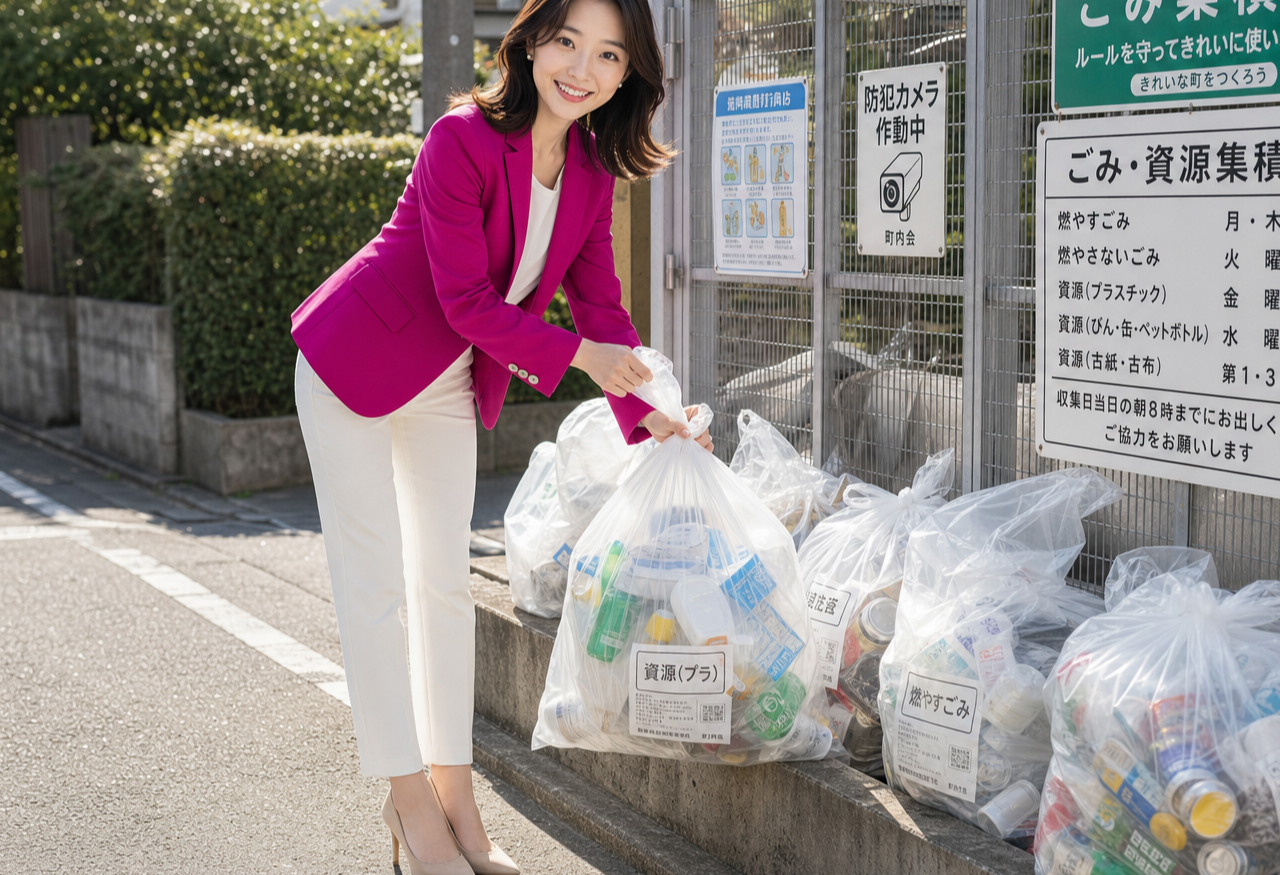
Gomi Sorting in Japan: Moeru Gomi, Sodai Gomi and the 8am Rule, With a Real Ward's Rules (2026)
Not burnable-vs-non-burnable. The four categories a Tokyo ward actually uses, the 8:00am deadline, the 30cm cube test for sodai gomi, the 危険 label for anything sharp, and how to find the calendar for your own street. Worked from Shinjuku City's official guide. #PR
Read the guide →
Grocery Delivery in Japan: Supermarket Delivery and Co-op Boxes
Two ways groceries reach your door in Japan: supermarket delivery you book by time slot, and the weekly co-op box. #PR
Read the guide →
Finding International, Halal and Vegetarian Groceries in Japan
Where newcomers actually find food from home in Japan: import and international markets, halal and ethnic grocers, online shops, and reading labels. #PR
Read the guide →