Settling in Sapporo: City Life with a Real Winter
Updated: 2026-09-22
Quick answer

Hi, I'm Miya, and I help newcomers settle into life in Japan. Sapporo is one of the gentlest big Japanese cities to arrive in: the streets sit on a numbered grid, the subway is small enough to learn in a week, and downtown has a whole walkway network underneath it. What makes it different from anywhere else you might land is that winter here is a real season — months that reshape how you commute, how your apartment is built, and what your neighbours quietly expect of you with a shovel. None of it is hard. It's just worth knowing before December.
The address grid that actually reads like a map
Let me start with the thing that will relieve you most. Sapporo addresses are basically coordinates. The city counts north and south from Odori Park, and east and west from the Sosei River, so an address like Kita 1-jo Nishi 3-chome means one block north of Odori and three blocks west of the river. Once you hold that single reference point in your head, you can read most central addresses and already know roughly where they are and how far you'd be walking — something I genuinely cannot do in most Japanese cities.
The grid loosens toward the edges, where hillside and suburban neighbourhoods use ordinary place names instead, but the core holds. The other piece of civic geography to learn early is which ward you live in, because your ward office — not city hall — is where you register your address, change it when you move, and sort out national health insurance. Find yours on a map in week one. The city also runs multilingual consultation for foreign residents through its international plaza near Odori, and that's worth locating before you need it, not during.
From December, the city moves downstairs
Between December and March your daily route changes shape. Sapporo has three subway lines meeting in the centre, and beneath the main street there's a long pedestrian walkway — everyone calls it Chi-Ka-Ho — linking Sapporo Station to Odori without you stepping outside once. Connected basements and underground shopping floors stretch it further. In September nobody thinks about any of this and walks on the surface. In February you'll watch the whole city funnel downstairs, and you'll go with it.
Above ground, the real adjustment is time rather than distance. Sidewalks get trodden into uneven ice, and a ten-minute walk in October becomes a careful fifteen in January. Buses still run but fall behind on heavy snow days, and the JR lines out to the suburbs are usually the first services to suspend when a storm settles over the city. I build a buffer into winter mornings and check service status before I leave the apartment, rather than after I'm already standing on a platform.
Apartments built for cold
Apartments here are built differently, and it took me a while to notice how many small features exist purely because of winter. Windows are usually double-glazed or double-sashed. Entrances often have a little vestibule that traps the cold before it reaches your hallway. Heating may be central to the building or run from a kerosene or gas unit, and many buildings keep a shared fuel tank on a delivery schedule. Insulation is thicker than in a comparable Honshu building, which is why a Sapporo apartment in January is often warmer indoors than a Tokyo one.
Two practical questions to ask when you view a place: how heating is paid for, and who clears snow from the approach and the entrance. Heating sits separately from rent and varies a lot depending on how the unit is warmed, so it belongs in your monthly picture from the start. And if you're ever away in winter for more than a couple of days, learn the water-draining procedure for your unit — pipes freeze, and any landlord or management company here will walk you through it if you ask.
Snow is a shared chore — and then summer arrives
Snow removal is a shared civic chore, and that catches people off guard. City crews plough the roads overnight, which is a relief right up until you realise the plough has left a hard ridge across your entrance that is entirely yours to clear. Residents are expected to keep the frontage of their home passable, not to shove snow back into the road, and to know where the neighbourhood collection point is. Buy a snow scoop early, because they disappear from shops once it starts. In a managed building, check whether clearing is included — sometimes it simply isn't.
Then the city flips completely. Hokkaido has no real rainy season, and summers here are cool and dry in a way the rest of Japan is not, so from June the whole population moves outdoors: Odori Park fills up, the festivals run almost back to back, and people eat outside every evening they can. That contrast is the actual texture of living here. Make your peace with February, and Sapporo hands you a summer that people elsewhere in Japan travel a long way to borrow for a week.
Getting your phone sorted first
One more piece of northern-winter infrastructure worth having in place early: your phone. Weather warnings, transit suspension notices, school closure announcements and ward-office updates all reach residents through it, and most of those systems assume you hold a Japanese number. So a line with data isn't a convenience you get around to in month three — it's how you find out the train is stopped while you're still in your coat, not standing on the platform.
The setup itself is refreshingly simple. You apply online with your residence card, and if your phone supports eSIM you can often be connected the same day, usually in about fifteen minutes. Have a look at our setup guide for eligibility and the step-by-step, and confirm current terms on the page before you apply. Sort that out in your first week, and the rest of settling into Sapporo is mostly just learning where the grid starts counting. I'll be right here to help.
Related guides

Rakuten Mobile for Foreigners in Japan: The 15-Minute Setup Guide (2026)
Get an unlimited SIM in Japan with just your residence card — set up by eSIM in about 15 minutes. #PR
Read the guide →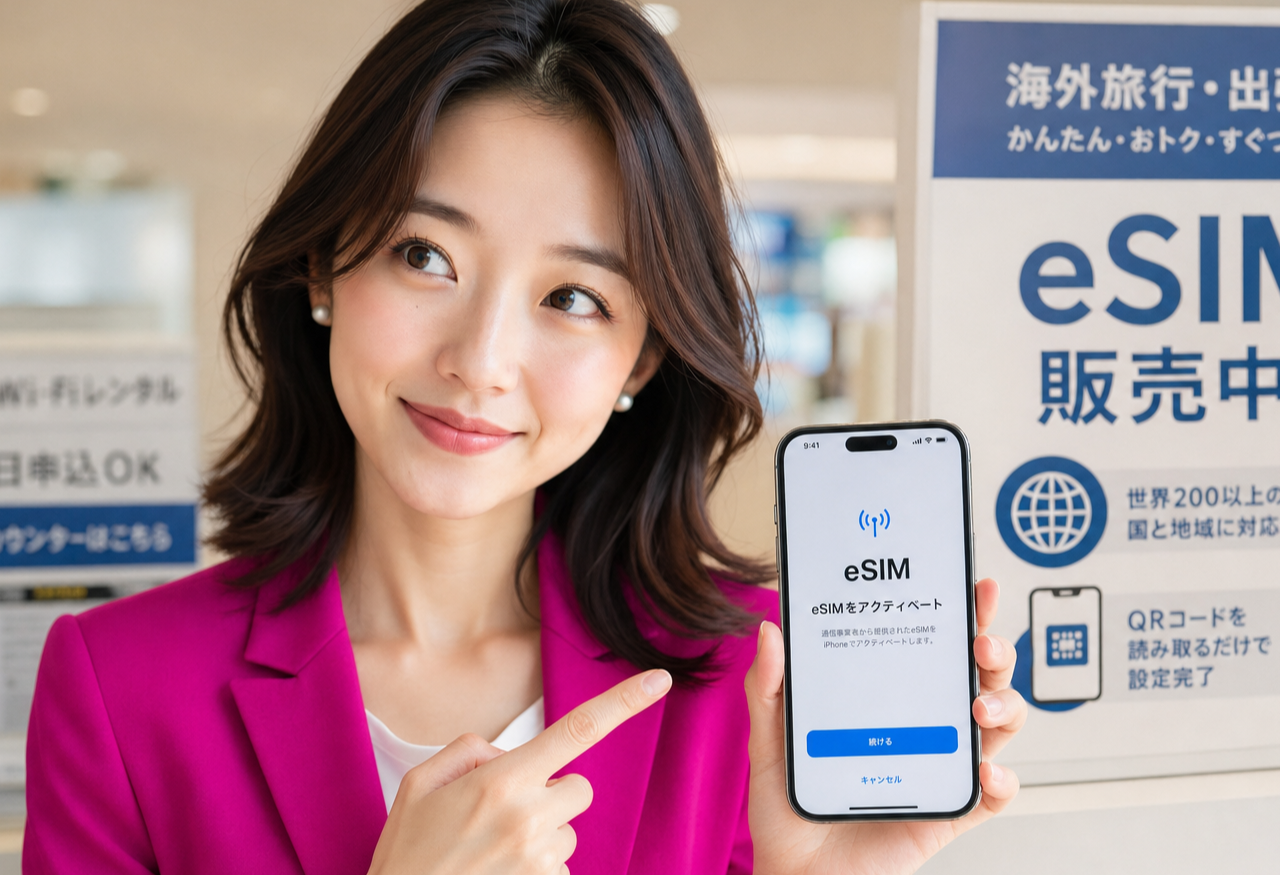
SIM vs eSIM in Japan: Which Should a Newcomer Choose? (2026)
A plain-English guide to eSIM vs a physical SIM in Japan — how each works, which fits your phone and timeline, and how to get connected fast. #PR
Read the guide →
How to Get Internet in Japan: Every Option Compared (2026)
Wi-Fi, pocket routers, SIM and eSIM, roaming and net cafes — what each really costs, and the fastest way to get online whether you're visiting or moving in. #PR
Read the guide →